Mount Everest Base Camp
⭐ 4.60
Tingri County, Shigatse City, Tibet Autonomous Region, China
 The story of measuring and climbing Everest spans more than a century. In 1856, British surveyors in colonial India first calculated the peak's height at 8,840 meters, naming it after Sir George Everest. The 1924 British Everest expedition, during which George Mallory and Andrew Irvine presumably perished, remains one of mountaineering's great unsolved mysteries. In 2020, China and Nepal jointly announced the revised height of 8,848.86 meters, and the survey monument at base camp has become a must-photograph landmark. From the 1960 Chinese team's historic North Ridge ascent to the 2020 re-survey expedition, this ground carries profound scientific and symbolic weight.
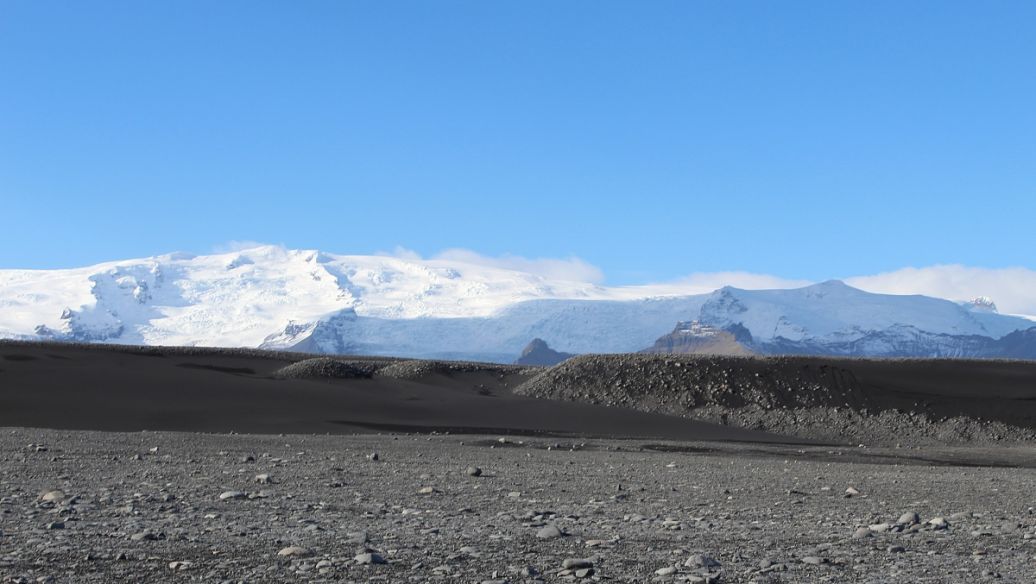
Reached by road deep into the Himalayas, base camp is the only conventional tourist destination globally where travelers can stand face-to-face with a peak exceeding 8,000 meters. On clear days the iconic triangular summit appears almost close enough to touch. At dawn, alpenglow ignites the snowfields in shades of rose and gold, a spectacle locals call "Sunrise on the Golden Mountain," comparable to the alpenglow seen on the Matterhorn. After nightfall, with virtually no light pollution, the Milky Way arches across the sky in conditions that rival the Atacama Desert for astrophotography.
Just below the camp sits Rongbuk Monastery, founded in 1902 and perched at around 5,100 meters, making it the highest-altitude Tibetan Buddhist monastery in the world. Think of it as a hermitage more austere than Mont Saint-Michel, where prayer flags snap against an almost Martian backdrop. Tibetan tradition venerates Everest as Chomolungma, the "Goddess Mother of the World," and for generations the monastery has served as the spiritual launching point for climbing expeditions, a place where faith and adventure converge.
Entry costs 160 yuan for the national park ticket, plus a mandatory 120 yuan round-trip shuttle bus. Foreign visitors must obtain a Tibet Travel Permit through an authorized agency at least 30 days in advance and additionally carry a Frontier Pass for Shigatse's Tingri County. The drive from Shigatse takes roughly six hours along the famous 108-bend switchback road, while departing from Lhasa requires over eight hours. Since 2019, tourist camps have been relocated downhill from the monastery, and the core climbing zone is strictly off-limits to visitors.
To minimize altitude sickness, acclimatize in Lhasa or Shigatse for two to three days before ascending. Base camp lodging is basic shared tents with limited oxygen; most travelers prefer sleeping in oxygen-supplied guesthouses at lower elevations in Tashizom Township or Basong Village and visiting the camp only for sunrise and sunset. Pack a heavy down jacket (summer nights still hover near freezing), high-SPF sunscreen, a thermos, and personal oxygen cans, glucose, and ibuprofen. Allocate at least two days for weather delays, and target April-May or October-November for the clearest summit views.
The story of measuring and climbing Everest spans more than a century. In 1856, British surveyors in colonial India first calculated the peak's height at 8,840 meters, naming it after Sir George Everest. The 1924 British Everest expedition, during which George Mallory and Andrew Irvine presumably perished, remains one of mountaineering's great unsolved mysteries. In 2020, China and Nepal jointly announced the revised height of 8,848.86 meters, and the survey monument at base camp has become a must-photograph landmark. From the 1960 Chinese team's historic North Ridge ascent to the 2020 re-survey expedition, this ground carries profound scientific and symbolic weight.
Reached by road deep into the Himalayas, base camp is the only conventional tourist destination globally where travelers can stand face-to-face with a peak exceeding 8,000 meters. On clear days the iconic triangular summit appears almost close enough to touch. At dawn, alpenglow ignites the snowfields in shades of rose and gold, a spectacle locals call "Sunrise on the Golden Mountain," comparable to the alpenglow seen on the Matterhorn. After nightfall, with virtually no light pollution, the Milky Way arches across the sky in conditions that rival the Atacama Desert for astrophotography.
Just below the camp sits Rongbuk Monastery, founded in 1902 and perched at around 5,100 meters, making it the highest-altitude Tibetan Buddhist monastery in the world. Think of it as a hermitage more austere than Mont Saint-Michel, where prayer flags snap against an almost Martian backdrop. Tibetan tradition venerates Everest as Chomolungma, the "Goddess Mother of the World," and for generations the monastery has served as the spiritual launching point for climbing expeditions, a place where faith and adventure converge.
Entry costs 160 yuan for the national park ticket, plus a mandatory 120 yuan round-trip shuttle bus. Foreign visitors must obtain a Tibet Travel Permit through an authorized agency at least 30 days in advance and additionally carry a Frontier Pass for Shigatse's Tingri County. The drive from Shigatse takes roughly six hours along the famous 108-bend switchback road, while departing from Lhasa requires over eight hours. Since 2019, tourist camps have been relocated downhill from the monastery, and the core climbing zone is strictly off-limits to visitors.
To minimize altitude sickness, acclimatize in Lhasa or Shigatse for two to three days before ascending. Base camp lodging is basic shared tents with limited oxygen; most travelers prefer sleeping in oxygen-supplied guesthouses at lower elevations in Tashizom Township or Basong Village and visiting the camp only for sunrise and sunset. Pack a heavy down jacket (summer nights still hover near freezing), high-SPF sunscreen, a thermos, and personal oxygen cans, glucose, and ibuprofen. Allocate at least two days for weather delays, and target April-May or October-November for the clearest summit views.