Yamdrok Lake
⭐ 4.60
Baidi Township, Langkazi County, Shannan, Tibet Autonomous Region, China
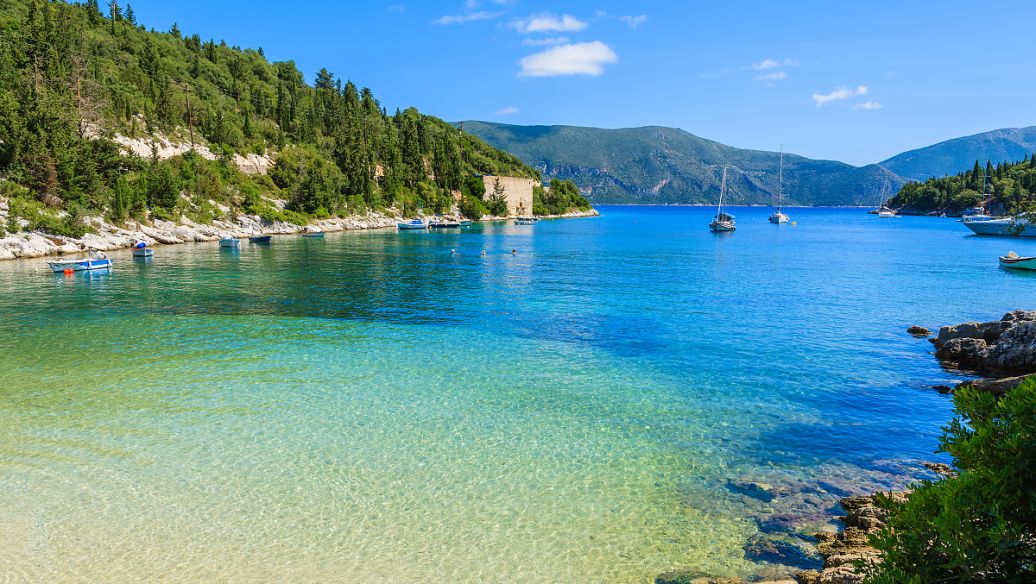 Geologically, Yamdrok formed as a landslide-dammed lake when ancient glacial debris blocked a river valley along the Yarlung Tsangpo, the upper Brahmaputra, on the northern slopes of the Himalayas. At 4,441 meters elevation, with average depths of 23.6 meters, it is sustained by snowmelt and mountain precipitation, producing waters so clear that mineral layers create shifting bands of color. Comparable in altitude and drama to Italy's Lago di Braies in the Dolomites, yet vastly larger and far more remote, Yamdrok rewards travelers with landscapes untouched by modern development.
Culturally, the lake holds deep significance in Tibetan Buddhism, where pilgrims believe its serpentine shoreline traces the body of a reclining Tara, the goddess of compassion. Some compare its spiritual status to that of Lake Titicaca in South America, another high-altitude body of water central to indigenous religious traditions. Surrounding monasteries have drawn circumambulating pilgrims for centuries, and during the Tibetan Year of the Sheep, devotees arrive in large numbers to walk the lake's perimeter. The native naked carp are considered sacred and strictly protected.
The classic viewpoint lies at the Kamba La Pass (approximately 4,990 meters), where the lake unfurls below like a ribbon of woven silk. A second, lesser-known platform at Luzhila offers wider vistas and fewer crowds, ideal for photographers seeking solitude. From Lhasa, the pass is reached in roughly two hours by road. Most day trips allocate only 30 to 60 minutes at the viewpoint; those with more time should consider hiring a vehicle to circle the lake or overnighting in Langkazi County for sunrise reflections and, after dark, some of the clearest starlit skies on the planet.
Practical preparation is essential. The altitude demands that visitors acclimatize in Lhasa for at least one to two days beforehand. Travelers should carry portable oxygen, glucose supplements, and altitude medication, avoiding strenuous activity on arrival. Summer temperatures swing dramatically, dropping near freezing overnight, so a windproof shell, light down jacket, sun hat, UV-blocking sunglasses, and high-SPF sunscreen are indispensable. Morning light between 9 and 11 a.m. is optimal for photography; August marks the tail of the rainy season, when weather should be monitored closely.
Foreign visitors must arrange a Tibet Travel Permit through a registered agency and remain with a guided group throughout their stay; independent travel and self-driving are not permitted. Strict etiquette applies: swimming, washing, or littering in the sacred waters is forbidden; circumambulation must proceed clockwise; photographers should seek permission before capturing worshippers and treat prayer flags and mani stone cairns with respect. The mountain roads are winding and steep, with strong gusts off the lake, so travelers prone to motion sickness should prepare accordingly.
Geologically, Yamdrok formed as a landslide-dammed lake when ancient glacial debris blocked a river valley along the Yarlung Tsangpo, the upper Brahmaputra, on the northern slopes of the Himalayas. At 4,441 meters elevation, with average depths of 23.6 meters, it is sustained by snowmelt and mountain precipitation, producing waters so clear that mineral layers create shifting bands of color. Comparable in altitude and drama to Italy's Lago di Braies in the Dolomites, yet vastly larger and far more remote, Yamdrok rewards travelers with landscapes untouched by modern development.
Culturally, the lake holds deep significance in Tibetan Buddhism, where pilgrims believe its serpentine shoreline traces the body of a reclining Tara, the goddess of compassion. Some compare its spiritual status to that of Lake Titicaca in South America, another high-altitude body of water central to indigenous religious traditions. Surrounding monasteries have drawn circumambulating pilgrims for centuries, and during the Tibetan Year of the Sheep, devotees arrive in large numbers to walk the lake's perimeter. The native naked carp are considered sacred and strictly protected.
The classic viewpoint lies at the Kamba La Pass (approximately 4,990 meters), where the lake unfurls below like a ribbon of woven silk. A second, lesser-known platform at Luzhila offers wider vistas and fewer crowds, ideal for photographers seeking solitude. From Lhasa, the pass is reached in roughly two hours by road. Most day trips allocate only 30 to 60 minutes at the viewpoint; those with more time should consider hiring a vehicle to circle the lake or overnighting in Langkazi County for sunrise reflections and, after dark, some of the clearest starlit skies on the planet.
Practical preparation is essential. The altitude demands that visitors acclimatize in Lhasa for at least one to two days beforehand. Travelers should carry portable oxygen, glucose supplements, and altitude medication, avoiding strenuous activity on arrival. Summer temperatures swing dramatically, dropping near freezing overnight, so a windproof shell, light down jacket, sun hat, UV-blocking sunglasses, and high-SPF sunscreen are indispensable. Morning light between 9 and 11 a.m. is optimal for photography; August marks the tail of the rainy season, when weather should be monitored closely.
Foreign visitors must arrange a Tibet Travel Permit through a registered agency and remain with a guided group throughout their stay; independent travel and self-driving are not permitted. Strict etiquette applies: swimming, washing, or littering in the sacred waters is forbidden; circumambulation must proceed clockwise; photographers should seek permission before capturing worshippers and treat prayer flags and mani stone cairns with respect. The mountain roads are winding and steep, with strong gusts off the lake, so travelers prone to motion sickness should prepare accordingly.