Dunhuang Populus Forest
⭐ 2.00
Yangguan Town, Dunhuang City, Gansu Province, China
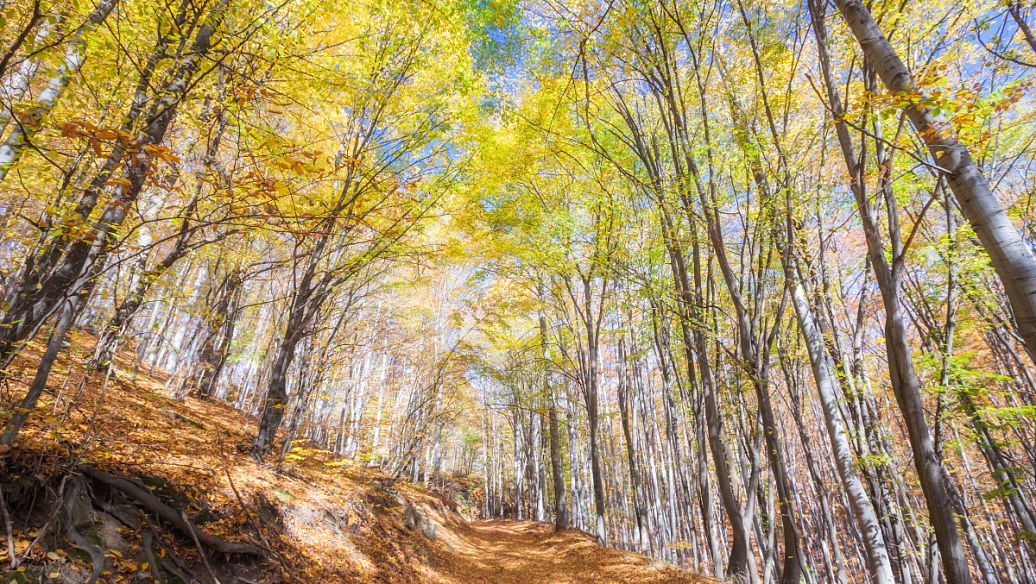 The Euphrates poplar (Populus euphratica) is one of Earth's oldest living tree species, a relic of the Tertiary period when forests covered much of Central Asia. While the silk road flourished between Rome and Chang'an, the Dunhuang groves stood as vital sheltering oases for caravans, soldiers, and pilgrims making the punishing trek through the Taklamakan. These are the same trees that Marco Polo's distant predecessors would have seen—a botanical link to the same legendary trade route that brought Buddhism, Manichaeism, and Nestorian Christianity to the gates of the Mogao Caves.
The three forest sites each offer a different experience. The Mogao Town grove runs for several kilometers directly beside the UNESCO-listed Mogao Grottoes, allowing visitors to combine two world-class attractions in a single day. The Huangqu Town "Drunken Poplar" folk park on the Dang River features more than 300 ancient specimens accessed via boardwalks and viewing platforms. West Lake Nature Reserve, the largest at over 10,000 mu, remains largely wild and visually arresting, though its core is closed to the public and only viewable from a distance—rather like peering into a protected Norwegian fjord landscape from a designated overlook.
In local folk tradition the poplar is called the "hero tree," embodying endurance against impossible odds—much as the olive tree symbolizes peace and resilience in Mediterranean cultures. Together with the Mogao frescoes, the groves form a dual heritage of natural and human artistry, inseparable from the broader Silk Road cultural ecosystem that draws photographers, scholars, and adventure travelers from across the globe.
Visiting requires planning: Dunhuang has no public transit to the forests, so renting a car or hiring a driver is essential. Mogao Town is about 40 minutes from the city and free to enter; Huangqu Town costs roughly 30–50 yuan and lies an hour out; West Lake Reserve demands a 120-kilometer drive west. Aim for early-to-mid October and avoid May through September, when the trees are merely green. The climate is extreme—bring a windproof layer plus high-SPF sunscreen, and schedule your shoot around the golden hours after sunrise or before sunset, wearing red or white for striking contrast against the gold canopy.
The Euphrates poplar (Populus euphratica) is one of Earth's oldest living tree species, a relic of the Tertiary period when forests covered much of Central Asia. While the silk road flourished between Rome and Chang'an, the Dunhuang groves stood as vital sheltering oases for caravans, soldiers, and pilgrims making the punishing trek through the Taklamakan. These are the same trees that Marco Polo's distant predecessors would have seen—a botanical link to the same legendary trade route that brought Buddhism, Manichaeism, and Nestorian Christianity to the gates of the Mogao Caves.
The three forest sites each offer a different experience. The Mogao Town grove runs for several kilometers directly beside the UNESCO-listed Mogao Grottoes, allowing visitors to combine two world-class attractions in a single day. The Huangqu Town "Drunken Poplar" folk park on the Dang River features more than 300 ancient specimens accessed via boardwalks and viewing platforms. West Lake Nature Reserve, the largest at over 10,000 mu, remains largely wild and visually arresting, though its core is closed to the public and only viewable from a distance—rather like peering into a protected Norwegian fjord landscape from a designated overlook.
In local folk tradition the poplar is called the "hero tree," embodying endurance against impossible odds—much as the olive tree symbolizes peace and resilience in Mediterranean cultures. Together with the Mogao frescoes, the groves form a dual heritage of natural and human artistry, inseparable from the broader Silk Road cultural ecosystem that draws photographers, scholars, and adventure travelers from across the globe.
Visiting requires planning: Dunhuang has no public transit to the forests, so renting a car or hiring a driver is essential. Mogao Town is about 40 minutes from the city and free to enter; Huangqu Town costs roughly 30–50 yuan and lies an hour out; West Lake Reserve demands a 120-kilometer drive west. Aim for early-to-mid October and avoid May through September, when the trees are merely green. The climate is extreme—bring a windproof layer plus high-SPF sunscreen, and schedule your shoot around the golden hours after sunrise or before sunset, wearing red or white for striking contrast against the gold canopy.