Sun Island
⭐ 3.50
Sun Island Scenic Area, Chengguan District, Lhasa City, Tibet Autonomous Region, China
 Lhasa itself has served as the religious and political heart of Tibet since the 7th century, when King Songtsen Gampo established his court here and invited Buddhism from India along early Silk Road corridors. The Potala Palace, visible from Sun Island, was added in the 17th century as the winter residence of the Dalai Lamas and today ranks among the few architectural wonders of the Buddhist world, comparable in scale and mystique to St. Peter's Basilica in Vatican City or the Alhambra in Granada. Sun Island occupies the river plain directly south of this UNESCO World Heritage masterpiece, connected to the old city by a handful of bridges.
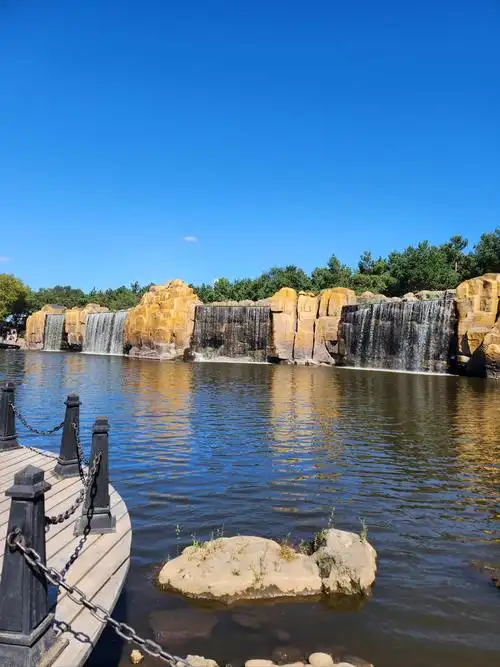
Architecturally, the island tells the story of contemporary Lhasa rather than its medieval past. Glass-fronted hotels and tidy apartment blocks rise beside small Tibetan teahouses and street-side stalls, creating a hybrid skyline where satellite dishes sit not far from prayer flags. The riverbanks have been landscaped into a continuous green corridor reminiscent of the embankments along the Seine in Paris or the Arno in Florence, complete with willow groves and walking paths where herons and cormorants hunt in the shallow current.
Culturally, the island remains one of the last strongholds of the traditional Tibetan "linka" outing, a centuries-old custom of friends and families spreading carpets beside rivers or in gardens to share sweet tea, yak butter pastries, and conversation. On weekends and major holidays, colorful tents crowd the riverside lawns while elders play chess and children fly kites, evoking the leisurely atmosphere of an English summer fête or a Viennese Heuriger. A lively flower, bird, and antique market adds further authenticity, drawing both locals and curious visitors.
Dining here is among the most varied in Tibet. Travelers can sample Tibetan staples like beef tongue flatbread and hand-pulled noodles, then move on to Sichuan hotpot or Western-style cafés catering to a growing international crowd. As dusk falls, waterfront bars and rooftop teahouses light up, offering a rare chance to enjoy craft drinks and live music while the illuminated Potala Palace glows pink and amber across the darkening river, a scene that lingers long in memory.
Practical tips: arrive in the mid-afternoon to secure a good spot along the riverside promenade for the sunset photography, then stay into the evening for the night view. Quality accommodation is available on the island, including the Jin'ao Grand Hotel, where some rooms face the Potala directly. The high-altitude sun is intense even when the air feels cool, so sunscreen, sunglasses, and lip balm are essential. Newcomers to Lhasa should take it easy for the first 24 hours, stay hydrated, and avoid strenuous walks before exploring the island's full length.
Lhasa itself has served as the religious and political heart of Tibet since the 7th century, when King Songtsen Gampo established his court here and invited Buddhism from India along early Silk Road corridors. The Potala Palace, visible from Sun Island, was added in the 17th century as the winter residence of the Dalai Lamas and today ranks among the few architectural wonders of the Buddhist world, comparable in scale and mystique to St. Peter's Basilica in Vatican City or the Alhambra in Granada. Sun Island occupies the river plain directly south of this UNESCO World Heritage masterpiece, connected to the old city by a handful of bridges.
Architecturally, the island tells the story of contemporary Lhasa rather than its medieval past. Glass-fronted hotels and tidy apartment blocks rise beside small Tibetan teahouses and street-side stalls, creating a hybrid skyline where satellite dishes sit not far from prayer flags. The riverbanks have been landscaped into a continuous green corridor reminiscent of the embankments along the Seine in Paris or the Arno in Florence, complete with willow groves and walking paths where herons and cormorants hunt in the shallow current.
Culturally, the island remains one of the last strongholds of the traditional Tibetan "linka" outing, a centuries-old custom of friends and families spreading carpets beside rivers or in gardens to share sweet tea, yak butter pastries, and conversation. On weekends and major holidays, colorful tents crowd the riverside lawns while elders play chess and children fly kites, evoking the leisurely atmosphere of an English summer fête or a Viennese Heuriger. A lively flower, bird, and antique market adds further authenticity, drawing both locals and curious visitors.
Dining here is among the most varied in Tibet. Travelers can sample Tibetan staples like beef tongue flatbread and hand-pulled noodles, then move on to Sichuan hotpot or Western-style cafés catering to a growing international crowd. As dusk falls, waterfront bars and rooftop teahouses light up, offering a rare chance to enjoy craft drinks and live music while the illuminated Potala Palace glows pink and amber across the darkening river, a scene that lingers long in memory.
Practical tips: arrive in the mid-afternoon to secure a good spot along the riverside promenade for the sunset photography, then stay into the evening for the night view. Quality accommodation is available on the island, including the Jin'ao Grand Hotel, where some rooms face the Potala directly. The high-altitude sun is intense even when the air feels cool, so sunscreen, sunglasses, and lip balm are essential. Newcomers to Lhasa should take it easy for the first 24 hours, stay hydrated, and avoid strenuous walks before exploring the island's full length.