Yamdrok Lake
⭐ 4.80
Baidi Township, Langkazi County, Shannan, Tibet Autonomous Region, China
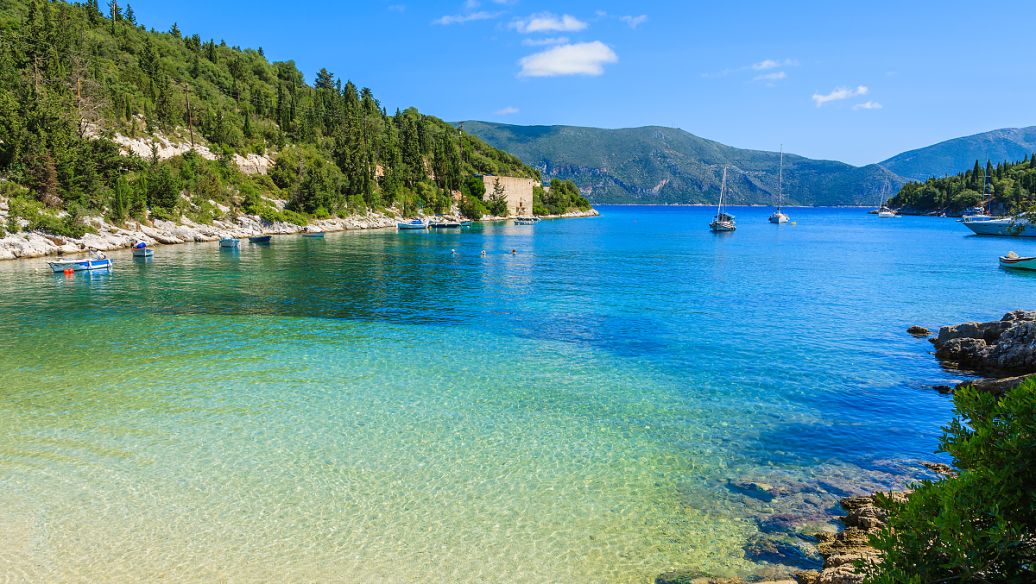 Yamdrok Lake holds profound significance in Tibetan Buddhism, revered as a turquoise earring dropped by a celestial goddess. Local pilgrims have walked its shores in clockwise kora during the Tibetan Sheep Year for centuries, a devotional tradition echoing the monastic circuits practiced at Italy's Monte Cassino or Ireland's Skellig Michael—sites where isolation and altitude alike forge spiritual clarity. The lake's chameleon waters shift from cobalt to jade depending on the sun's angle, a phenomenon pilgrims interpret as a mirror of the soul's purity. For Western visitors, this offers a tangible encounter with a living faith tradition rather than a museum piece.
Geologically, Yamdrok is a high-altitude barrier lake, formed when ancient landslides dammed glacial valleys. Its branching arms, visible from above, resemble scattered coral or the fronds of a Mediterranean delta, lending it an almost tropical geometry against the austere brown Himalayas. The northern shore hosts Ritu Monastery, a lone hermitage perched on a peninsula jutting into the lake. Dubbed "the world's loneliest temple," it rivals Montenegro's Ostrog Monastery in dramatic solitude—a single sanctuary guarding vast, silent waters since the fifteenth century.
The classic viewpoint awaits at the Kamba La Pass, perched near 4,990 meters. As travelers crest the ridge, the lake unfurls below in a sudden cinematic reveal comparable to first glimpses of Lake Como from the Alps or Norway's fjords from the Hardangervidda plateau. Even in midsummer, biting winds and thin air demand windproof jackets, sunglasses, and patience with altitude. Those unaccustomed to high elevation should acclimatize in Lhasa for two to three days before attempting the journey.
Practical access is refreshingly straightforward. Shared tours and private drivers depart daily from Lhasa, weaving south through the Yarlung Tsangpo River gorge and past the cinematic Karola Glacier—a frozen cascade rivaling Switzerland's Glacier Express scenery. Most group itineraries pause only briefly at Kamba La, so visitors seeking deeper exploration should hire a private vehicle. This unlocks quieter stops including viewpoints 3 and 4 along the lakeshore road, where travelers can pose with yaks and Tibetan sheep, photograph mirror-still waters, and feel the lake's proximity rather than merely observe it from above.
Timing elevates the experience considerably. Morning hours between 9:00 and 11:00 offer soft golden light and calm reflective surfaces ideal for photography, while afternoon winds often ruffle the lake into silvered chop. Carry portable oxygen canisters, glucose tablets, and layered clothing; the elevation rivals that of Bolivia's Salar de Uyuni or Ecuador's Chimborazo summit base. To stand at the shore of Yamdrok is to glimpse how Tibetans have understood the divine—not in gilded cathedrals but in shifting, sacred waters held sacred for a millennium.
Yamdrok Lake holds profound significance in Tibetan Buddhism, revered as a turquoise earring dropped by a celestial goddess. Local pilgrims have walked its shores in clockwise kora during the Tibetan Sheep Year for centuries, a devotional tradition echoing the monastic circuits practiced at Italy's Monte Cassino or Ireland's Skellig Michael—sites where isolation and altitude alike forge spiritual clarity. The lake's chameleon waters shift from cobalt to jade depending on the sun's angle, a phenomenon pilgrims interpret as a mirror of the soul's purity. For Western visitors, this offers a tangible encounter with a living faith tradition rather than a museum piece.
Geologically, Yamdrok is a high-altitude barrier lake, formed when ancient landslides dammed glacial valleys. Its branching arms, visible from above, resemble scattered coral or the fronds of a Mediterranean delta, lending it an almost tropical geometry against the austere brown Himalayas. The northern shore hosts Ritu Monastery, a lone hermitage perched on a peninsula jutting into the lake. Dubbed "the world's loneliest temple," it rivals Montenegro's Ostrog Monastery in dramatic solitude—a single sanctuary guarding vast, silent waters since the fifteenth century.
The classic viewpoint awaits at the Kamba La Pass, perched near 4,990 meters. As travelers crest the ridge, the lake unfurls below in a sudden cinematic reveal comparable to first glimpses of Lake Como from the Alps or Norway's fjords from the Hardangervidda plateau. Even in midsummer, biting winds and thin air demand windproof jackets, sunglasses, and patience with altitude. Those unaccustomed to high elevation should acclimatize in Lhasa for two to three days before attempting the journey.
Practical access is refreshingly straightforward. Shared tours and private drivers depart daily from Lhasa, weaving south through the Yarlung Tsangpo River gorge and past the cinematic Karola Glacier—a frozen cascade rivaling Switzerland's Glacier Express scenery. Most group itineraries pause only briefly at Kamba La, so visitors seeking deeper exploration should hire a private vehicle. This unlocks quieter stops including viewpoints 3 and 4 along the lakeshore road, where travelers can pose with yaks and Tibetan sheep, photograph mirror-still waters, and feel the lake's proximity rather than merely observe it from above.
Timing elevates the experience considerably. Morning hours between 9:00 and 11:00 offer soft golden light and calm reflective surfaces ideal for photography, while afternoon winds often ruffle the lake into silvered chop. Carry portable oxygen canisters, glucose tablets, and layered clothing; the elevation rivals that of Bolivia's Salar de Uyuni or Ecuador's Chimborazo summit base. To stand at the shore of Yamdrok is to glimpse how Tibetans have understood the divine—not in gilded cathedrals but in shifting, sacred waters held sacred for a millennium.