Namtso Lake
⭐ 4.80
Namtso Lake, Damxung County, Lhasa City, Tibet Autonomous Region, China
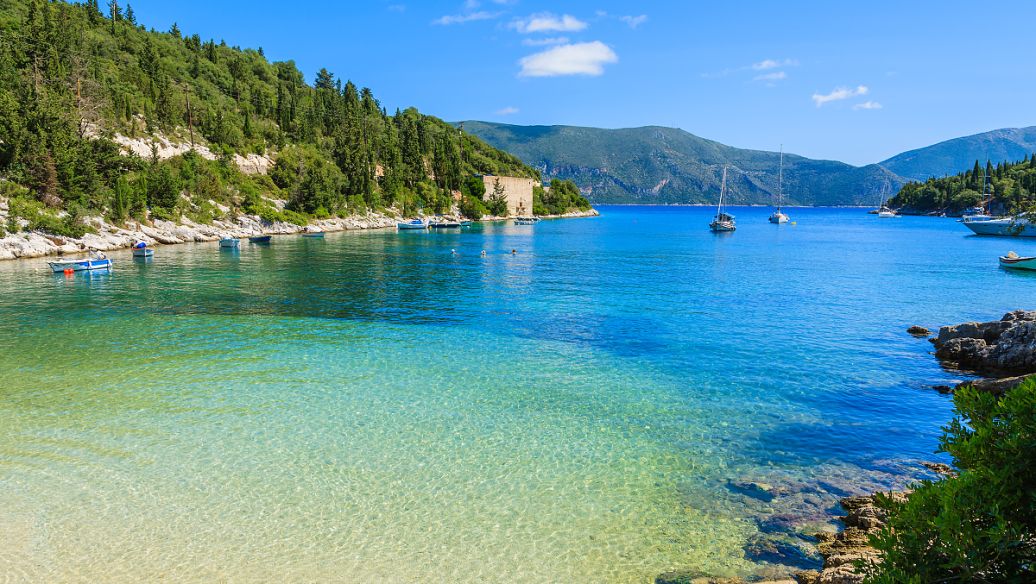 Namtso—meaning "Heavenly Lake" in Tibetan—ranks alongside Lakes Manasarovar and Yamdrok as one of Tibet's three great sacred waters. In Vajrayana Buddhism it is the abode of the deity Chakrasamvara, while in the older Bön tradition it is revered as the primordial lake of creation. Local legend holds that the lake and the towering Nyenchen Tanglha mountains are divine husband and wife, a pairing not unlike the mythic unions of sacred landscapes found in ancient Greek and Hindu cosmology. Pilgrims have walked its shores for centuries, turning prayer wheels and prostrating along the way, lending the waters a spiritual gravity that rivals sites such as Lake Titicaca or Delphi.
The lake spans a vast area at 4,718 meters, making it one of the highest large bodies of water on Earth—comparable in scale and altitude drama to Bolivia's Salar de Uyuni landscape. Its sapphire surface shifts through remarkable gradients of blue and turquoise as the light changes, while the snow-covered Nyenchen Tanglha peaks reflect perfectly on calm days. Because the region has almost zero light pollution, Namtso has become famous among astrophotographers: when night falls, the Milky Way arcs across the sky in breathtaking clarity, a spectacle reminiscent of the Atacama Desert's celebrated skies.
The main visitor and pilgrimage area is Zhaxi Peninsula, a strange, rocky outcrop jutting into the lake on three sides. Scattered across it are small temples, hermit caves, and meditation spots where monks have long retreated for solitary practice. Visitors can walk among these humble structures, gaze across the lake to the snow peaks beyond, and absorb the deep quiet of one of the most sacred spots in Tibetan Buddhism. Its atmosphere echoes the contemplative stillness of monasteries perched on Greece's Mount Athos or the hermitages of Cappadocia.
Reaching Namtso from Lhasa takes roughly four hours by road, crossing the Nagenla Pass at 5,190 meters—one of the highest paved mountain passes in the world. Foreign travelers must join an organized tour through a licensed agency, applying for a Tibet Travel Permit 25 to 30 days in advance, and remain accompanied by a certified guide throughout. Independent travel in any form is not permitted. Tickets and accommodation should be booked well ahead, especially in peak season when lakeside rooms are scarce.
Acclimatization is essential: spend two to three days in Lhasa (around 3,650 m) before ascending, and prepare for cold nights even in summer, when temperatures can drop below 5°C. Pack a windproof jacket, down coat, sunscreen, and sunglasses. The best windows are April to June and September to November, when skies are clear and roads reliable; July and August bring rain, while winter often closes mountain passes with snow. Accommodation options divide between rustic, view-rich guesthouses on Zhaxi Peninsula and better-equipped, oxygen-supplied rooms in Damxung town at a more manageable 4,200 m, allowing visitors to balance scenery with physical comfort.
Despite the logistical hurdles, Namtso delivers one of the great travel experiences in Asia: a vast, luminous high-altitude sea beneath endless skies and sacred peaks—an encounter with scale, silence, and spirituality that lingers long after the journey home.
Namtso—meaning "Heavenly Lake" in Tibetan—ranks alongside Lakes Manasarovar and Yamdrok as one of Tibet's three great sacred waters. In Vajrayana Buddhism it is the abode of the deity Chakrasamvara, while in the older Bön tradition it is revered as the primordial lake of creation. Local legend holds that the lake and the towering Nyenchen Tanglha mountains are divine husband and wife, a pairing not unlike the mythic unions of sacred landscapes found in ancient Greek and Hindu cosmology. Pilgrims have walked its shores for centuries, turning prayer wheels and prostrating along the way, lending the waters a spiritual gravity that rivals sites such as Lake Titicaca or Delphi.
The lake spans a vast area at 4,718 meters, making it one of the highest large bodies of water on Earth—comparable in scale and altitude drama to Bolivia's Salar de Uyuni landscape. Its sapphire surface shifts through remarkable gradients of blue and turquoise as the light changes, while the snow-covered Nyenchen Tanglha peaks reflect perfectly on calm days. Because the region has almost zero light pollution, Namtso has become famous among astrophotographers: when night falls, the Milky Way arcs across the sky in breathtaking clarity, a spectacle reminiscent of the Atacama Desert's celebrated skies.
The main visitor and pilgrimage area is Zhaxi Peninsula, a strange, rocky outcrop jutting into the lake on three sides. Scattered across it are small temples, hermit caves, and meditation spots where monks have long retreated for solitary practice. Visitors can walk among these humble structures, gaze across the lake to the snow peaks beyond, and absorb the deep quiet of one of the most sacred spots in Tibetan Buddhism. Its atmosphere echoes the contemplative stillness of monasteries perched on Greece's Mount Athos or the hermitages of Cappadocia.
Reaching Namtso from Lhasa takes roughly four hours by road, crossing the Nagenla Pass at 5,190 meters—one of the highest paved mountain passes in the world. Foreign travelers must join an organized tour through a licensed agency, applying for a Tibet Travel Permit 25 to 30 days in advance, and remain accompanied by a certified guide throughout. Independent travel in any form is not permitted. Tickets and accommodation should be booked well ahead, especially in peak season when lakeside rooms are scarce.
Acclimatization is essential: spend two to three days in Lhasa (around 3,650 m) before ascending, and prepare for cold nights even in summer, when temperatures can drop below 5°C. Pack a windproof jacket, down coat, sunscreen, and sunglasses. The best windows are April to June and September to November, when skies are clear and roads reliable; July and August bring rain, while winter often closes mountain passes with snow. Accommodation options divide between rustic, view-rich guesthouses on Zhaxi Peninsula and better-equipped, oxygen-supplied rooms in Damxung town at a more manageable 4,200 m, allowing visitors to balance scenery with physical comfort.
Despite the logistical hurdles, Namtso delivers one of the great travel experiences in Asia: a vast, luminous high-altitude sea beneath endless skies and sacred peaks—an encounter with scale, silence, and spirituality that lingers long after the journey home.