Drepung Monastery
⭐ 4.80
No. 276, Beijing West Road, Lhasa, Tibet Autonomous Region, China
 Founded in 1416 by Jamyang Choje Tashi Pelden, a direct disciple of the Gelug-school reformer Tsongkhapa, Drepung rose to prominence during the same era that produced the European Renaissance's great cathedrals. As the principal seat of successive Dalai Lamas before the construction of the Potala Palace, it served as both spiritual heart and political capital of Tibet, rivaling the influence of medieval Europe's great abbeys such as Cluny or Monte Cassino. Its name, meaning "Rice Heap" in Tibetan, poetically evokes a mountain of dharma grain.
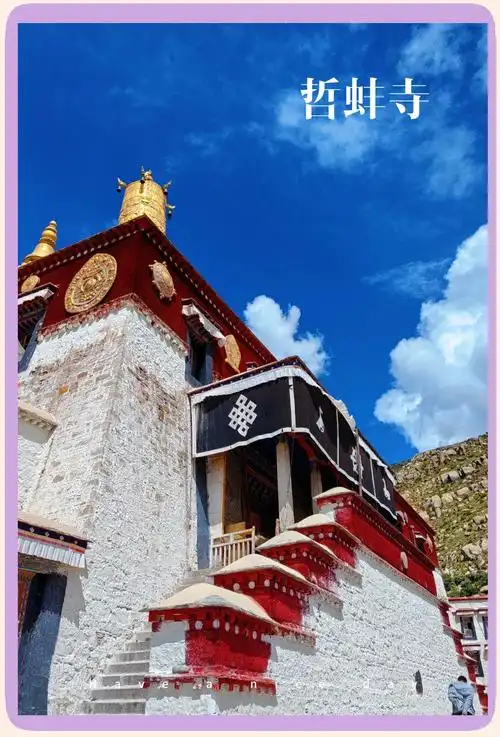
Sprawling across more than 250,000 square meters, the monastery is an architectural marvel built into the mountainside, its whitewashed walls and gilded roofs cascading down the slope in tiers. The colossal Tsokchen Assembly Hall is supported by 183 massive pillars and once accommodated nearly 8,000 monks in prayer—comparable in scale to Seville Cathedral. The historic Ganden Phodrang, where the second through fifth Dalai Lamas resided, gave its name to the Tibetan government that ruled from 1642 to 1959, making Drepung a cradle of both faith and statecraft.
The monastery divides its monastic community among four colleges—Loseling, Gomang, Deyang, and Ngapa—forming one of the most rigorous scholastic systems in Tibetan Buddhism. Its libraries safeguard centuries of religious art, including exquisite Ming and Qing dynasty porcelain, ancient thangka paintings, gold-ink manuscripts of the Kangyur canon, and a sacred white conch gifted by Tsongkhapa himself. These treasures offer a window into a religious culture as artistically rich as Byzantium or Renaissance Florence.
Each year on the 30th day of the sixth Tibetan month, Drepung hosts the highlight of the Shoton Festival, when a giant thangka depicting the Buddha is slowly unfurled down the mountainside at dawn. Thousands of pilgrims gather in silent reverence as the sacred image emerges into the morning light—an experience often compared in scale and devotion to Holy Week processions in Rome or Seville. The moment captures the living essence of Tibetan religious tradition.
Visitors should plan to arrive in the morning, allowing three to four hours for a clockwise circuit. Tickets cost roughly 50–60 yuan. At 3,800 meters elevation, the altitude demands a slow pace and acclimatization; stay hydrated and rest frequently. Hats must be removed and voices lowered inside the halls, where photography is prohibited—respecting these customs rewards travelers with genuine spiritual encounters. Drepung pairs beautifully with nearby Sera Monastery and the Potala Palace, forming an ideal introduction to Lhasa's sacred landscape.
Founded in 1416 by Jamyang Choje Tashi Pelden, a direct disciple of the Gelug-school reformer Tsongkhapa, Drepung rose to prominence during the same era that produced the European Renaissance's great cathedrals. As the principal seat of successive Dalai Lamas before the construction of the Potala Palace, it served as both spiritual heart and political capital of Tibet, rivaling the influence of medieval Europe's great abbeys such as Cluny or Monte Cassino. Its name, meaning "Rice Heap" in Tibetan, poetically evokes a mountain of dharma grain.
Sprawling across more than 250,000 square meters, the monastery is an architectural marvel built into the mountainside, its whitewashed walls and gilded roofs cascading down the slope in tiers. The colossal Tsokchen Assembly Hall is supported by 183 massive pillars and once accommodated nearly 8,000 monks in prayer—comparable in scale to Seville Cathedral. The historic Ganden Phodrang, where the second through fifth Dalai Lamas resided, gave its name to the Tibetan government that ruled from 1642 to 1959, making Drepung a cradle of both faith and statecraft.
The monastery divides its monastic community among four colleges—Loseling, Gomang, Deyang, and Ngapa—forming one of the most rigorous scholastic systems in Tibetan Buddhism. Its libraries safeguard centuries of religious art, including exquisite Ming and Qing dynasty porcelain, ancient thangka paintings, gold-ink manuscripts of the Kangyur canon, and a sacred white conch gifted by Tsongkhapa himself. These treasures offer a window into a religious culture as artistically rich as Byzantium or Renaissance Florence.
Each year on the 30th day of the sixth Tibetan month, Drepung hosts the highlight of the Shoton Festival, when a giant thangka depicting the Buddha is slowly unfurled down the mountainside at dawn. Thousands of pilgrims gather in silent reverence as the sacred image emerges into the morning light—an experience often compared in scale and devotion to Holy Week processions in Rome or Seville. The moment captures the living essence of Tibetan religious tradition.
Visitors should plan to arrive in the morning, allowing three to four hours for a clockwise circuit. Tickets cost roughly 50–60 yuan. At 3,800 meters elevation, the altitude demands a slow pace and acclimatization; stay hydrated and rest frequently. Hats must be removed and voices lowered inside the halls, where photography is prohibited—respecting these customs rewards travelers with genuine spiritual encounters. Drepung pairs beautifully with nearby Sera Monastery and the Potala Palace, forming an ideal introduction to Lhasa's sacred landscape.