Jokhang Temple
⭐ 4.80
Barkhor Street, Chengguan District, Lhasa, Tibet Autonomous Region, China
 **Historical Context**
Founded around 650 CE during Tibet's first imperial era, Jokhang Temple was commissioned by King Songtsen Gampo to house the sacred Buddha statue brought by his Chinese bride, Princess Wencheng, and his Nepalese bride, Bhrikuti. To put its age in perspective, it was standing when the Tang dynasty flourished in Chang'an and while Anglo-Saxon monasteries were still rising in England. As the oldest and most important temple in Tibetan Buddhism, it holds a position similar to Canterbury Cathedral for Anglicans or the Vatican for Catholics—a defining pilgrimage site that shaped an entire religious civilization.
**Architecture**
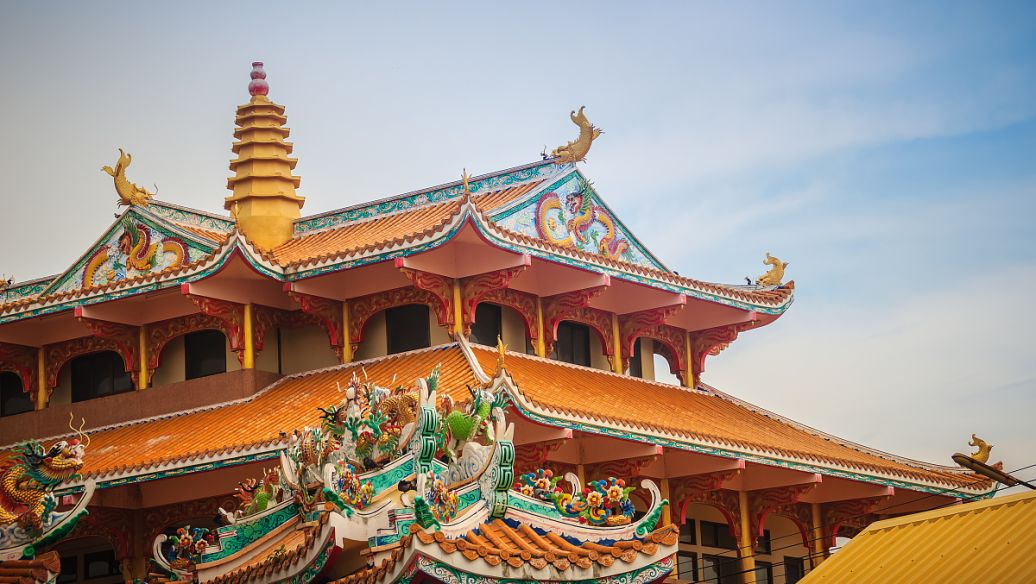
The temple is a remarkable architectural hybrid, much like how Romanesque churches across Europe absorbed Byzantine, Moorish, and local influences. Its core follows the Tibetan dzong fortress style, while the golden rooftop with gilded stupas reflects Nepalese craftsmanship, and certain structural elements echo Tang Chinese and Indian Buddhist design. Inside, thousand-year-old murals retain astonishingly vivid pigments, narrating the legendary journey of Princess Wencheng and the spread of Buddhism across the plateau—a visual chronicle comparable to the frescoed walls of Italy's medieval basilicas.
**Cultural Significance**
For Tibetan Buddhists, the Jokhang houses something beyond compare: the Jowo Shakyamuni, a 12-year-old likeness of the Buddha believed to have been personally blessed by the historical Buddha himself. Devotees travel thousands of miles—some prostrating their bodies across every step—to kneel before it. The surrounding Barkhor Street has functioned as a living kora, or pilgrimage circuit, for over a millennium, blending sacred ritual with daily Tibetan life in a way reminiscent of the Camino de Santiago's fusion of spirituality and human community.
**Practical Visit Information**
Entry requires advance booking through official channels at least one day ahead—same-day tickets are rarely available. Adult admission costs around 85 RMB (roughly 12 USD), with opening hours from 8:30 AM to 6:30 PM (last entry). Plan for 1.5 to 2 hours inside. Visitors must dress modestly—no shorts, short skirts, flip-flops, hats, or sunglasses—and photography is prohibited in the main halls. Hiring a local guide (approximately 50 RMB) dramatically enriches the experience by explaining the symbolism behind every statue and mural.
**Why Visit**
Jokhang Temple offers something increasingly rare in the modern world: an authentic encounter with living spirituality on a monumental scale. The sight of elderly pilgrims pressing their foreheads to ancient stone, the morning light catching gilded rooftops against Himalayan blue sky, and the scent of juniper incense drifting from Barkhor's markets create a sensory immersion no guidebook can fully prepare you for. For travelers seeking depth over checklist tourism, this is the single most essential experience in Tibet—and one that lingers long after the journey home.
**Historical Context**
Founded around 650 CE during Tibet's first imperial era, Jokhang Temple was commissioned by King Songtsen Gampo to house the sacred Buddha statue brought by his Chinese bride, Princess Wencheng, and his Nepalese bride, Bhrikuti. To put its age in perspective, it was standing when the Tang dynasty flourished in Chang'an and while Anglo-Saxon monasteries were still rising in England. As the oldest and most important temple in Tibetan Buddhism, it holds a position similar to Canterbury Cathedral for Anglicans or the Vatican for Catholics—a defining pilgrimage site that shaped an entire religious civilization.
**Architecture**
The temple is a remarkable architectural hybrid, much like how Romanesque churches across Europe absorbed Byzantine, Moorish, and local influences. Its core follows the Tibetan dzong fortress style, while the golden rooftop with gilded stupas reflects Nepalese craftsmanship, and certain structural elements echo Tang Chinese and Indian Buddhist design. Inside, thousand-year-old murals retain astonishingly vivid pigments, narrating the legendary journey of Princess Wencheng and the spread of Buddhism across the plateau—a visual chronicle comparable to the frescoed walls of Italy's medieval basilicas.
**Cultural Significance**
For Tibetan Buddhists, the Jokhang houses something beyond compare: the Jowo Shakyamuni, a 12-year-old likeness of the Buddha believed to have been personally blessed by the historical Buddha himself. Devotees travel thousands of miles—some prostrating their bodies across every step—to kneel before it. The surrounding Barkhor Street has functioned as a living kora, or pilgrimage circuit, for over a millennium, blending sacred ritual with daily Tibetan life in a way reminiscent of the Camino de Santiago's fusion of spirituality and human community.
**Practical Visit Information**
Entry requires advance booking through official channels at least one day ahead—same-day tickets are rarely available. Adult admission costs around 85 RMB (roughly 12 USD), with opening hours from 8:30 AM to 6:30 PM (last entry). Plan for 1.5 to 2 hours inside. Visitors must dress modestly—no shorts, short skirts, flip-flops, hats, or sunglasses—and photography is prohibited in the main halls. Hiring a local guide (approximately 50 RMB) dramatically enriches the experience by explaining the symbolism behind every statue and mural.
**Why Visit**
Jokhang Temple offers something increasingly rare in the modern world: an authentic encounter with living spirituality on a monumental scale. The sight of elderly pilgrims pressing their foreheads to ancient stone, the morning light catching gilded rooftops against Himalayan blue sky, and the scent of juniper incense drifting from Barkhor's markets create a sensory immersion no guidebook can fully prepare you for. For travelers seeking depth over checklist tourism, this is the single most essential experience in Tibet—and one that lingers long after the journey home.