Enshi Yesan River Scenic Area
⭐ 4.20
Yesan River Scenic Area, Enshi City, Enshi Tujia and Miao Autonomous Prefecture, Hubei Province, China
 The region holds deep significance for human prehistory. The Jianshi Homo erectus site, dating back roughly 2 million years, is a nationally protected monument providing crucial evidence for early human evolution in East Asia—on par with Olduvai Gorge in Tanzania or Atapuerca in Spain for understanding our species' origins. Visitors can view the discovery location and learn how this sheltered valley supported hominids long before the great civilizations of the Yangtze and Yellow Rivers emerged.
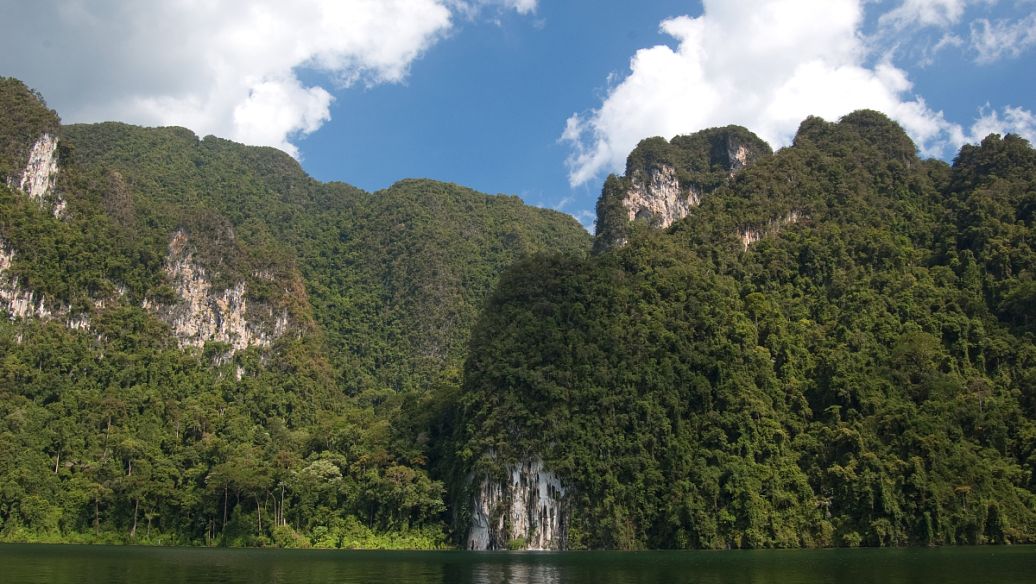
The landscape itself is a masterclass in karst geology. The Qingjiang Grand Canyon, often called the most beautiful stretch of the 800-li Qingjiang, echoes the limestone majesty of Plitvice Lakes or the gorges of the River Doubs. Cliffs rise like natural cathedrals above jade-green water, while the Huanghe Bridge Peak Forest sends stone spires into drifting clouds—visual drama that photographers and hikers will find irresistible. The butterfly-shaped ridges of Butterfly Rock and the cascading nine-tier Jiudie Spring waterfalls add further scenic variety.
Beyond geology, the area carries a layered military and cultural history. The ancient Jingyang Pass served for centuries as a strategic chokepoint guarding the route between Hubei and Sichuan, while the Tujia people—whose ancestors are linked to the ancient Ba kingdom—have inhabited these mountains for generations. The famous folk song "Huang Sijie," still performed today, ranks among China's celebrated intangible cultural heritage, offering visitors a living soundtrack to the landscape.
The destination functions as an open-air cultural showcase. Tujia villages preserve traditional architecture, wooden plank trails, and customs such as hezha (a hearty bean-and-vegetable stew) and Jingyang chicken, slow-cooked mountain dishes that reward travelers after a day of exploration. Local communities continue to safeguard the valley's ecology, creating a sustainable model where cultural heritage and natural conservation reinforce each other.
Practical planning is straightforward. The park lies 1.5 to 2 hours from Enshi city, near the border of Huaping, Jingyang, and Gaoping towns, and is best reached by car or shuttle bus. Combined tickets including the river cruise and peak forest access run 180–240 yuan. Opening hours are 8:30 to 17:30, with fixed boat departures requiring careful scheduling.
A two-day itinerary makes the most of the experience. On day one, board a traditional painted boat to glide through the Qingjiang Gallery, then overnight at the Little West Lake Resort. On day two, ascend to Huanghe Bridge Peak Forest for sunrise cloud seas. The best season runs May through October, when water levels are full and temperatures pleasant. Bring sturdy hiking shoes for slippery trails during the rainy months, pack mosquito repellent, and notify someone of your plans since mobile reception is unreliable in the deeper valleys.
The region holds deep significance for human prehistory. The Jianshi Homo erectus site, dating back roughly 2 million years, is a nationally protected monument providing crucial evidence for early human evolution in East Asia—on par with Olduvai Gorge in Tanzania or Atapuerca in Spain for understanding our species' origins. Visitors can view the discovery location and learn how this sheltered valley supported hominids long before the great civilizations of the Yangtze and Yellow Rivers emerged.
The landscape itself is a masterclass in karst geology. The Qingjiang Grand Canyon, often called the most beautiful stretch of the 800-li Qingjiang, echoes the limestone majesty of Plitvice Lakes or the gorges of the River Doubs. Cliffs rise like natural cathedrals above jade-green water, while the Huanghe Bridge Peak Forest sends stone spires into drifting clouds—visual drama that photographers and hikers will find irresistible. The butterfly-shaped ridges of Butterfly Rock and the cascading nine-tier Jiudie Spring waterfalls add further scenic variety.
Beyond geology, the area carries a layered military and cultural history. The ancient Jingyang Pass served for centuries as a strategic chokepoint guarding the route between Hubei and Sichuan, while the Tujia people—whose ancestors are linked to the ancient Ba kingdom—have inhabited these mountains for generations. The famous folk song "Huang Sijie," still performed today, ranks among China's celebrated intangible cultural heritage, offering visitors a living soundtrack to the landscape.
The destination functions as an open-air cultural showcase. Tujia villages preserve traditional architecture, wooden plank trails, and customs such as hezha (a hearty bean-and-vegetable stew) and Jingyang chicken, slow-cooked mountain dishes that reward travelers after a day of exploration. Local communities continue to safeguard the valley's ecology, creating a sustainable model where cultural heritage and natural conservation reinforce each other.
Practical planning is straightforward. The park lies 1.5 to 2 hours from Enshi city, near the border of Huaping, Jingyang, and Gaoping towns, and is best reached by car or shuttle bus. Combined tickets including the river cruise and peak forest access run 180–240 yuan. Opening hours are 8:30 to 17:30, with fixed boat departures requiring careful scheduling.
A two-day itinerary makes the most of the experience. On day one, board a traditional painted boat to glide through the Qingjiang Gallery, then overnight at the Little West Lake Resort. On day two, ascend to Huanghe Bridge Peak Forest for sunrise cloud seas. The best season runs May through October, when water levels are full and temperatures pleasant. Bring sturdy hiking shoes for slippery trails during the rainy months, pack mosquito repellent, and notify someone of your plans since mobile reception is unreliable in the deeper valleys.