Enshi Mount Jiuping Scenic Area
⭐ 4.20
Jiuping Mountain Scenic Area, Enshi City, Enshi Tujia and Miao Autonomous Prefecture, Hubei Province, China
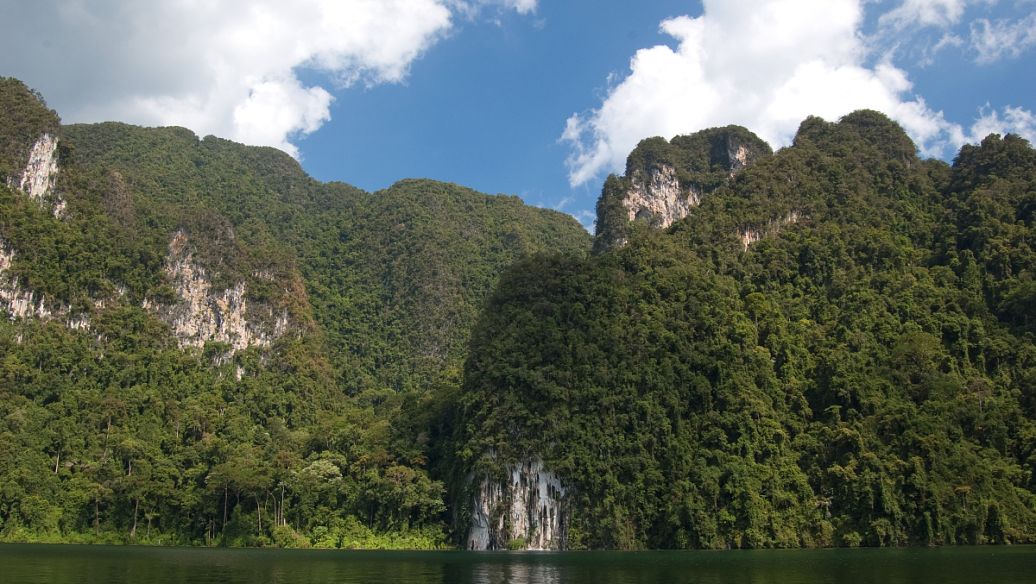 The canyon, anciently known as "Dodge Gorge," served as a natural fortress for the Tujia people during times of war. For over 400 years, the Rongmei Tujia chieftains ruled this mountainous region from Hefeng County, leaving behind a legacy of cliff-side plank roads and hanging coffin sites that rival the medieval castles of Europe in historical drama. Comparable to the fjord strongholds of Norway or the cliff dwellings of the American Southwest, these ingenious wooden structures built into sheer rock faces demonstrate the extraordinary adaptability of the Tujia people to their harsh environment.
The canyon is a textbook example of karst slot canyon formation, where limestone has been carved by water over millions of years. At its narrowest point, the gorge barely accommodates a single boat, while the cliffs rise vertically for hundreds of meters on either side. The water's distinctive "Tiffany blue" hue comes from dissolved calcium carbonate minerals, creating visibility so clear that boats seem to float in mid-air. The famous "floating boat" effect occurs between roughly 11am and 1pm when sunlight penetrates straight down to the canyon floor, transforming a simple boat ride into a surreal visual experience.
Hefeng County was the heartland of the Rongmei Tujia chieftainate, which held sway for over four centuries. The canyon contains preserved plank roads and cliff-side walkways from this era, integrated with the natural landscape in a way that recalls the borghi of southern Italy or the hidden monasteries of Meteora in Greece. Visitors can trace the footsteps of Tujia ancestors who carved out a civilization in this vertical world, gaining rare insight into the survival wisdom and cultural heritage of southwestern Hubei's ethnic minorities.
The canyon lies about 2.5 hours by car from Enshi city, in Hefeng County's Rongmei Town. A "boat in, boat out" ticket package (90-110 yuan, including boat fare) is strongly recommended to conserve energy for the 3-4 hour experience. No cable cars or modern amenities exist inside the park, so bring your own water and snacks. During peak season (July-August), reservations should be made at least three days in advance through the official WeChat account, and you should verify the park's opening status on the day of your visit.
The optimal visiting window runs from April through October, but only during stretches of consecutive sunny days. Rain turns the water murky brown and ruins the prized floating-boat effect, so timing is everything. Aim to arrive before 10am to catch the noon light show. Wear sturdy anti-slip hiking shoes, pack quick-dry clothing, and bring a light windproof jacket—temperatures inside the canyon run 5-10°C cooler than the surrounding area, and persistent mist can make surfaces dangerously slick.
For Western travelers seeking landscapes untouched by mass tourism, Pingshan Canyon offers a rare combination of geological wonder, cultural depth, and photographic magic. Few places on earth allow you to traverse a working waterway through a slot canyon while absorbing the heritage of an ancient ethnic minority. It is a worthy counterpart to the Verdon Gorge in France or the slot canyons of Utah, but with the added dimension of living Tujia culture and the surreal floating-boat illusion that has made it one of China's most viral natural attractions.
The canyon, anciently known as "Dodge Gorge," served as a natural fortress for the Tujia people during times of war. For over 400 years, the Rongmei Tujia chieftains ruled this mountainous region from Hefeng County, leaving behind a legacy of cliff-side plank roads and hanging coffin sites that rival the medieval castles of Europe in historical drama. Comparable to the fjord strongholds of Norway or the cliff dwellings of the American Southwest, these ingenious wooden structures built into sheer rock faces demonstrate the extraordinary adaptability of the Tujia people to their harsh environment.
The canyon is a textbook example of karst slot canyon formation, where limestone has been carved by water over millions of years. At its narrowest point, the gorge barely accommodates a single boat, while the cliffs rise vertically for hundreds of meters on either side. The water's distinctive "Tiffany blue" hue comes from dissolved calcium carbonate minerals, creating visibility so clear that boats seem to float in mid-air. The famous "floating boat" effect occurs between roughly 11am and 1pm when sunlight penetrates straight down to the canyon floor, transforming a simple boat ride into a surreal visual experience.
Hefeng County was the heartland of the Rongmei Tujia chieftainate, which held sway for over four centuries. The canyon contains preserved plank roads and cliff-side walkways from this era, integrated with the natural landscape in a way that recalls the borghi of southern Italy or the hidden monasteries of Meteora in Greece. Visitors can trace the footsteps of Tujia ancestors who carved out a civilization in this vertical world, gaining rare insight into the survival wisdom and cultural heritage of southwestern Hubei's ethnic minorities.
The canyon lies about 2.5 hours by car from Enshi city, in Hefeng County's Rongmei Town. A "boat in, boat out" ticket package (90-110 yuan, including boat fare) is strongly recommended to conserve energy for the 3-4 hour experience. No cable cars or modern amenities exist inside the park, so bring your own water and snacks. During peak season (July-August), reservations should be made at least three days in advance through the official WeChat account, and you should verify the park's opening status on the day of your visit.
The optimal visiting window runs from April through October, but only during stretches of consecutive sunny days. Rain turns the water murky brown and ruins the prized floating-boat effect, so timing is everything. Aim to arrive before 10am to catch the noon light show. Wear sturdy anti-slip hiking shoes, pack quick-dry clothing, and bring a light windproof jacket—temperatures inside the canyon run 5-10°C cooler than the surrounding area, and persistent mist can make surfaces dangerously slick.
For Western travelers seeking landscapes untouched by mass tourism, Pingshan Canyon offers a rare combination of geological wonder, cultural depth, and photographic magic. Few places on earth allow you to traverse a working waterway through a slot canyon while absorbing the heritage of an ancient ethnic minority. It is a worthy counterpart to the Verdon Gorge in France or the slot canyons of Utah, but with the added dimension of living Tujia culture and the surreal floating-boat illusion that has made it one of China's most viral natural attractions.