Enshi Tujia Daughters' Festival
⭐ 4.20
Southern Section, Wuyang Street, Enshi City, Enshi Tujia and Miao Autonomous Prefecture, Hubei Province, China
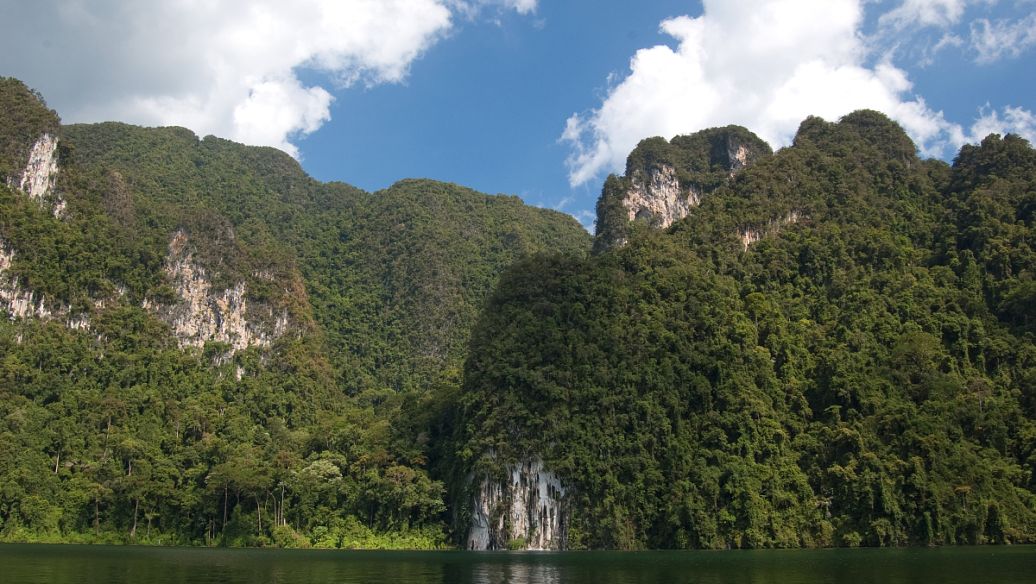 The Daughter's Festival traces its origins to the Hongtu and Banqiao regions of Enshi, where it began roughly three to four centuries ago as a spontaneous gathering where unmarried Tujia youth would meet at market days to court one another through improvised mountain duets. Comparable in spirit to European midsummer courtship traditions like Lithuania's Joninės or Austria's Almabtrieb, this festival reflects how rural communities worldwide have long used seasonal gatherings to arrange marriages. By 2009 it had earned recognition as a Hubei Provincial Intangible Cultural Heritage, and today the Enshi government promotes it as a flagship cultural-tourism event drawing visitors each summer to experience this living tradition.
At the heart of the celebration are two intertwined rituals: the bustling matchmaking market day and the lyrical courtship through song. Young Tujia women, known as "yaomei," gather dressed in elaborate Xilankapu brocade garments, exchanging verses in call-and-response duets that can stretch for hours. The full program includes a tearful bride-leaving ceremony, the symbolic "Ten Sisters" send-off ritual, and collective wedding reenactments. These customs parallel the elaborate pre-wedding traditions found across the Mediterranean and the elaborate dowry ceremonies of the Balkans, sharing that universal human impulse to mark marriage with theatrical farewell to childhood.
The main venue, Enshi Tujia Daughter's City, is a purpose-built cultural park showcasing classic Tujia architecture. Visitors will encounter stilted wooden houses similar to those found in southern China's mountain villages, arched wind-and-rain bridges reminiscent of Venetian footbridges, and communal fire-pit song halls where performers gather nightly. The site comes alive after dark with illuminated facades, folk performances, and interactive shows. A particularly exciting development for 2026 is the dual-city format linking Daughter's City with Tujia Chief's City via dedicated shuttle buses, creating a cross-venue wedding procession route that allows visitors to follow a full traditional wedding journey between two historic-themed parks.
Practical activities abound for visitors: anyone can join the mountain-song competition stage, try their hand at weaving Xilankapu brocade or pounding sticky rice cakes, and rent traditional costumes for atmospheric photo sessions against the lantern-lit old streets. The on-site food street serves regional specialties including fire-pit potatoes, corn cakes, and chilled tofu skin salads. A non-heritage marketplace also sells selenium-rich local agricultural products, since the Enshi region is famed for its selenium-rich soil, making this a rare opportunity to combine cultural immersion with healthy regional shopping.
Timing is essential: the traditional date falls on the 12th day of the 7th lunar month, but modern festivities extend from late July through late August, with the 2026 schedule running from July 27 to August 24. Admission to Daughter's City is free, while the linked Tujia Chief's City requires a separate ticket. Best atmosphere runs from 19:40 to 22:30 when performances peak under the lights. Book accommodation inside the cultural park well in advance, and avoid the surrounding silver-jewelry stalls where prices are inflated, opting instead for reputable shops in Enshi city proper. Pairing this festival with nearby Enshi Grand Canyon and Shobuya Stone Forest creates an unforgettable four-to-five-day cultural journey through one of China's most scenic and ethnically distinct regions.
The Daughter's Festival traces its origins to the Hongtu and Banqiao regions of Enshi, where it began roughly three to four centuries ago as a spontaneous gathering where unmarried Tujia youth would meet at market days to court one another through improvised mountain duets. Comparable in spirit to European midsummer courtship traditions like Lithuania's Joninės or Austria's Almabtrieb, this festival reflects how rural communities worldwide have long used seasonal gatherings to arrange marriages. By 2009 it had earned recognition as a Hubei Provincial Intangible Cultural Heritage, and today the Enshi government promotes it as a flagship cultural-tourism event drawing visitors each summer to experience this living tradition.
At the heart of the celebration are two intertwined rituals: the bustling matchmaking market day and the lyrical courtship through song. Young Tujia women, known as "yaomei," gather dressed in elaborate Xilankapu brocade garments, exchanging verses in call-and-response duets that can stretch for hours. The full program includes a tearful bride-leaving ceremony, the symbolic "Ten Sisters" send-off ritual, and collective wedding reenactments. These customs parallel the elaborate pre-wedding traditions found across the Mediterranean and the elaborate dowry ceremonies of the Balkans, sharing that universal human impulse to mark marriage with theatrical farewell to childhood.
The main venue, Enshi Tujia Daughter's City, is a purpose-built cultural park showcasing classic Tujia architecture. Visitors will encounter stilted wooden houses similar to those found in southern China's mountain villages, arched wind-and-rain bridges reminiscent of Venetian footbridges, and communal fire-pit song halls where performers gather nightly. The site comes alive after dark with illuminated facades, folk performances, and interactive shows. A particularly exciting development for 2026 is the dual-city format linking Daughter's City with Tujia Chief's City via dedicated shuttle buses, creating a cross-venue wedding procession route that allows visitors to follow a full traditional wedding journey between two historic-themed parks.
Practical activities abound for visitors: anyone can join the mountain-song competition stage, try their hand at weaving Xilankapu brocade or pounding sticky rice cakes, and rent traditional costumes for atmospheric photo sessions against the lantern-lit old streets. The on-site food street serves regional specialties including fire-pit potatoes, corn cakes, and chilled tofu skin salads. A non-heritage marketplace also sells selenium-rich local agricultural products, since the Enshi region is famed for its selenium-rich soil, making this a rare opportunity to combine cultural immersion with healthy regional shopping.
Timing is essential: the traditional date falls on the 12th day of the 7th lunar month, but modern festivities extend from late July through late August, with the 2026 schedule running from July 27 to August 24. Admission to Daughter's City is free, while the linked Tujia Chief's City requires a separate ticket. Best atmosphere runs from 19:40 to 22:30 when performances peak under the lights. Book accommodation inside the cultural park well in advance, and avoid the surrounding silver-jewelry stalls where prices are inflated, opting instead for reputable shops in Enshi city proper. Pairing this festival with nearby Enshi Grand Canyon and Shobuya Stone Forest creates an unforgettable four-to-five-day cultural journey through one of China's most scenic and ethnically distinct regions.