Qingjiang Thousand Island Lake
⭐ 4.20
Qingjiang Thousand Island Lake Scenic Area, Xuan'en County, Enshi Tujia and Miao Autonomous Prefecture, Hubei Province, China
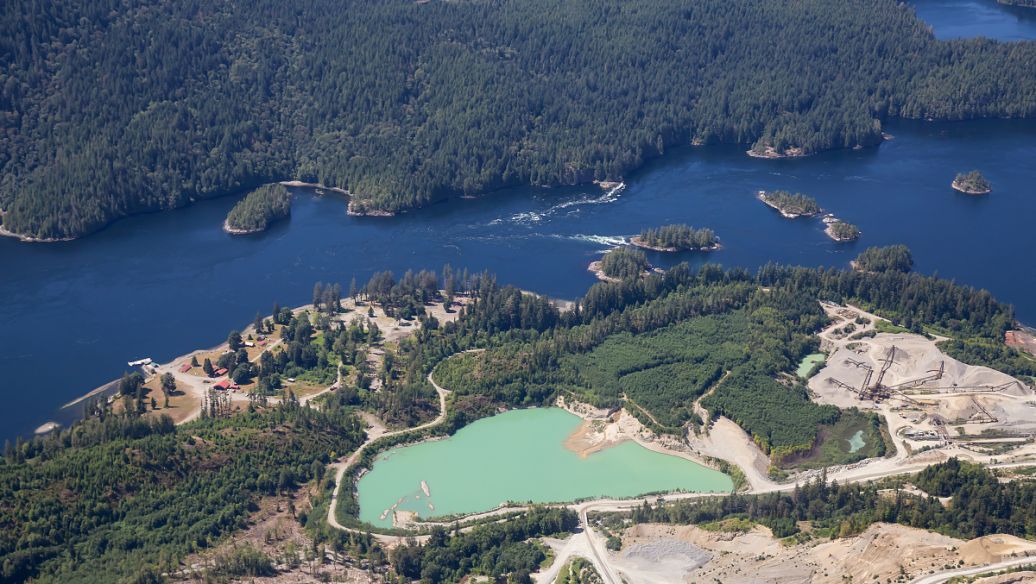 The Qingjiang has been a vital artery in western Hubei for millennia, its waters feeding the ancient Ba kingdom, whose people dominated the Yangtze gorges long before Han Chinese expansion. The Tujia, direct cultural descendants of the Ba, still inhabit these misty valleys. The damming that created today's island-studded lakes is a twentieth-century phenomenon, yet the cliffs above have watched travelers since the Three Kingdoms era, when Zhuge Liang reportedly dispatched envoys through these gorges. Compared to Germany's Rhine Gorge or Norway's fjords, the scale here is smaller, but the karst topography offers a limestone drama entirely absent in European river landscapes.
Rather than buildings, the architecture here is geological. Towering karst pillars rise at sixty-to-eighty-degree angles, framing the S-curving river in a series of natural cathedrals. The water, filtered through limestone, takes on a striking jade-green hue reminiscent of Italy's Lake Braies but warmer in tone. Ferry boats glide past the Butterfly Rock—a windswept formation resembling a resting insect—and through Inverted Reflection Gorge, where still waters create near-perfect mirror images of surrounding peaks, a phenomenon photographers liken to the calm sections of Vietnam's Halong Bay.
Wuluo Zhongli Mountain anchors the region's cultural identity as the legendary origin point of the Ba-Tujia peoples. Local traditions persist in riverside villages, where wooden stilted houses cling to hillsides in a manner that echoes Alpine chalets in their harmony with steep terrain. Visitors can experience Tujia folk performances along the cruise route, though cultural offerings remain modest. Serious cultural travelers should pair this visit with a side trip to Enshi's Suobo Ya Stone Forest, where Tujia heritage is showcased more comprehensively.
The Qingjiang Gallery ticket, including boat cruise, runs 180–220 RMB. Boats depart from Hunshuihe Wharf, roughly forty minutes by taxi from Enshi city. Cheba Reservoir, the truly off-the-beaten-path option inside Enshi Prefecture, remains free but lacks commercial boat services—visitors must self-drive or hire a private car. The season runs April through October; midsummer brings warm temperatures but strong river winds, so pack sunscreen plus a light jacket. Early morning boats before nine a.m. avoid the crowds, and life jackets are mandatory throughout.
For Western travelers, the appeal lies in discovering a landscape that feels both ancient and newly accessible—China's karst heartland without the international crowds of Guilin. Bring sturdy, non-slip shoes for island landings, motion sickness medication if prone, and a drone permit if planning aerial shots. A crucial warning: do not confuse this with Zhejiang's famous Thousand Island Lake near Hangzhou, which lies some four hundred kilometers away. Always search "Qingjiang Gallery" to find the correct destination and verify schedules through official channels before departure.
The Qingjiang has been a vital artery in western Hubei for millennia, its waters feeding the ancient Ba kingdom, whose people dominated the Yangtze gorges long before Han Chinese expansion. The Tujia, direct cultural descendants of the Ba, still inhabit these misty valleys. The damming that created today's island-studded lakes is a twentieth-century phenomenon, yet the cliffs above have watched travelers since the Three Kingdoms era, when Zhuge Liang reportedly dispatched envoys through these gorges. Compared to Germany's Rhine Gorge or Norway's fjords, the scale here is smaller, but the karst topography offers a limestone drama entirely absent in European river landscapes.
Rather than buildings, the architecture here is geological. Towering karst pillars rise at sixty-to-eighty-degree angles, framing the S-curving river in a series of natural cathedrals. The water, filtered through limestone, takes on a striking jade-green hue reminiscent of Italy's Lake Braies but warmer in tone. Ferry boats glide past the Butterfly Rock—a windswept formation resembling a resting insect—and through Inverted Reflection Gorge, where still waters create near-perfect mirror images of surrounding peaks, a phenomenon photographers liken to the calm sections of Vietnam's Halong Bay.
Wuluo Zhongli Mountain anchors the region's cultural identity as the legendary origin point of the Ba-Tujia peoples. Local traditions persist in riverside villages, where wooden stilted houses cling to hillsides in a manner that echoes Alpine chalets in their harmony with steep terrain. Visitors can experience Tujia folk performances along the cruise route, though cultural offerings remain modest. Serious cultural travelers should pair this visit with a side trip to Enshi's Suobo Ya Stone Forest, where Tujia heritage is showcased more comprehensively.
The Qingjiang Gallery ticket, including boat cruise, runs 180–220 RMB. Boats depart from Hunshuihe Wharf, roughly forty minutes by taxi from Enshi city. Cheba Reservoir, the truly off-the-beaten-path option inside Enshi Prefecture, remains free but lacks commercial boat services—visitors must self-drive or hire a private car. The season runs April through October; midsummer brings warm temperatures but strong river winds, so pack sunscreen plus a light jacket. Early morning boats before nine a.m. avoid the crowds, and life jackets are mandatory throughout.
For Western travelers, the appeal lies in discovering a landscape that feels both ancient and newly accessible—China's karst heartland without the international crowds of Guilin. Bring sturdy, non-slip shoes for island landings, motion sickness medication if prone, and a drone permit if planning aerial shots. A crucial warning: do not confuse this with Zhejiang's famous Thousand Island Lake near Hangzhou, which lies some four hundred kilometers away. Always search "Qingjiang Gallery" to find the correct destination and verify schedules through official channels before departure.