Enshi Grand Canyon
⭐ 4.20
Ma'anlong Visitor Center, Enshi Grand Canyon Scenic Area Management Center, Enshi City, Hubei Province, China
 Geological Wonder of Global Significance
Enshi Grand Canyon forms part of the greater Qingjiang River Canyon system and represents the world's only confirmed example of a composite karst landscape combining ground fissures, sinkholes, and pillar clusters in one continuous formation. The exposed cliff faces reveal rock strata spanning hundreds of millions of years, making the canyon effectively an open-air geology textbook. Researchers and landscape photographers travel here specifically to document features found nowhere else—a reminder that Earth still holds landscapes as astonishing as those that first inspired Victorian-era naturalists exploring the limestone valleys of England's Yorkshire Dales or France's Verdon Gorge.
The Iconic One Incense Pillar
Rising approximately 150 meters from its base, the One Incense Pillar in the Qixingzhai zone is the canyon's signature feature. This slender stone column, only four meters wide at its thinnest point, has withstood millennia of weathering and stands alone against the skyline—a formation that rivals Utah's Hoodoos in Monument Valley or Turkey's famous "fairy chimneys" of Cappadocia. Nearby, two wind-carved pines nicknamed the Welcoming Pine and the Bowing Pine cling to cliff edges and are almost always photographed alongside the pillar, forming an inseparable trio of natural artistry.
Yunlong Ground Fissure: A Canyon Within a Canyon
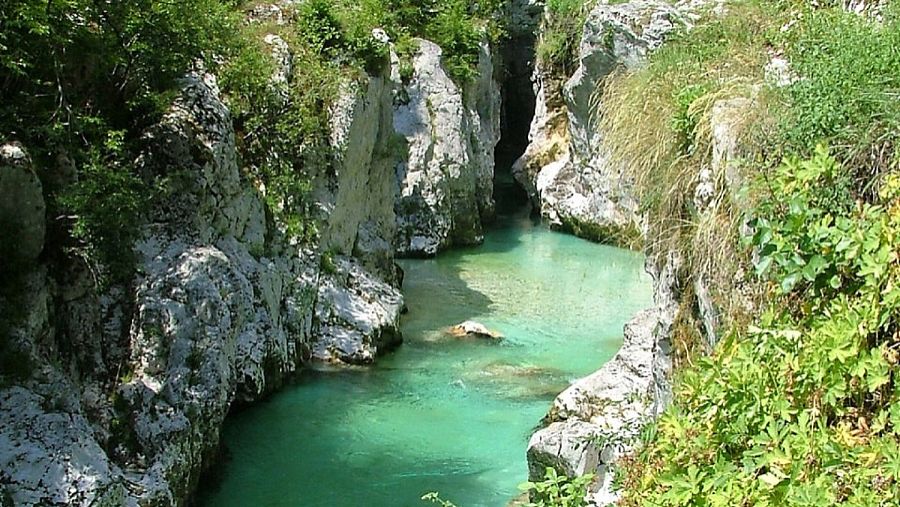
The Yunlong Ground Fissure, poetically called "Earth's Most Beautiful Scar," carves a U-shaped chasm up to 100 meters deep into the surrounding plateau. A cascading stream at the bottom feeds a series of waterfalls, with the Rainbow Waterfall being the most photographed, producing brilliant prismatic displays in morning light. Visitors can explore the fissure via gently graded walkways on both sides, making it an ideal first-day activity before tackling the more strenuous climbs above. The experience echoes a descent into Iceland's Fjaðrárgljúfur or a walk along Slovenia's Bleeding Cave trails—dramatic yet accessible.
Physical Demands and Pacing
A complete tour of the canyon involves roughly 20,000 steps over six to eight hours, a serious undertaking comparable to hiking New Zealand's Milford Track. While cable cars, elevators, and escalators shorten some climbs, they cannot replace all walking. Travelers of average fitness are strongly advised to split the visit across two days: Yunlong Fissure on the first afternoon, then Qixingzhai in full the following day. This pacing prevents exhaustion and allows time to absorb the scenery rather than simply marching through it.
Practical Visitor Information
The scenic area operates from 8:00 to 16:00 during peak season, with final entry at 15:00. Combined admission including shuttle bus runs 155–185 RMB; adding cable cars and escalators raises the total to approximately 340–370 RMB per person. Arrive early to avoid queues, wear non-slip hiking shoes, and carry sufficient water and snacks, as on-site food options are limited. Check weather forecasts before visiting—mist and rain can force temporary closure of certain cliff walkways, though cloud-shrouded views have their own ethereal appeal reminiscent of Scotland's misty Quiraing on the Isle of Skye.
Why Enshi Belongs on Your Itinerary
Beyond its sheer geological drama, Enshi offers something increasingly rare in the modern travel era: a landscape of world-class scale and significance that remains uncrowded and largely untouched by mass tourism. Few places on Earth allow visitors to stand beside a 150-meter natural obelisk, descend into a 100-meter-deep fissure, and traverse a 108-kilometer canyon corridor—all in a single trip. For Western travelers seeking the raw wonder that explorers once found in the American West before the highways arrived, Enshi Grand Canyon delivers the same sense of discovery, now waiting in the heart of rural Hubei.
Geological Wonder of Global Significance
Enshi Grand Canyon forms part of the greater Qingjiang River Canyon system and represents the world's only confirmed example of a composite karst landscape combining ground fissures, sinkholes, and pillar clusters in one continuous formation. The exposed cliff faces reveal rock strata spanning hundreds of millions of years, making the canyon effectively an open-air geology textbook. Researchers and landscape photographers travel here specifically to document features found nowhere else—a reminder that Earth still holds landscapes as astonishing as those that first inspired Victorian-era naturalists exploring the limestone valleys of England's Yorkshire Dales or France's Verdon Gorge.
The Iconic One Incense Pillar
Rising approximately 150 meters from its base, the One Incense Pillar in the Qixingzhai zone is the canyon's signature feature. This slender stone column, only four meters wide at its thinnest point, has withstood millennia of weathering and stands alone against the skyline—a formation that rivals Utah's Hoodoos in Monument Valley or Turkey's famous "fairy chimneys" of Cappadocia. Nearby, two wind-carved pines nicknamed the Welcoming Pine and the Bowing Pine cling to cliff edges and are almost always photographed alongside the pillar, forming an inseparable trio of natural artistry.
Yunlong Ground Fissure: A Canyon Within a Canyon
The Yunlong Ground Fissure, poetically called "Earth's Most Beautiful Scar," carves a U-shaped chasm up to 100 meters deep into the surrounding plateau. A cascading stream at the bottom feeds a series of waterfalls, with the Rainbow Waterfall being the most photographed, producing brilliant prismatic displays in morning light. Visitors can explore the fissure via gently graded walkways on both sides, making it an ideal first-day activity before tackling the more strenuous climbs above. The experience echoes a descent into Iceland's Fjaðrárgljúfur or a walk along Slovenia's Bleeding Cave trails—dramatic yet accessible.
Physical Demands and Pacing
A complete tour of the canyon involves roughly 20,000 steps over six to eight hours, a serious undertaking comparable to hiking New Zealand's Milford Track. While cable cars, elevators, and escalators shorten some climbs, they cannot replace all walking. Travelers of average fitness are strongly advised to split the visit across two days: Yunlong Fissure on the first afternoon, then Qixingzhai in full the following day. This pacing prevents exhaustion and allows time to absorb the scenery rather than simply marching through it.
Practical Visitor Information
The scenic area operates from 8:00 to 16:00 during peak season, with final entry at 15:00. Combined admission including shuttle bus runs 155–185 RMB; adding cable cars and escalators raises the total to approximately 340–370 RMB per person. Arrive early to avoid queues, wear non-slip hiking shoes, and carry sufficient water and snacks, as on-site food options are limited. Check weather forecasts before visiting—mist and rain can force temporary closure of certain cliff walkways, though cloud-shrouded views have their own ethereal appeal reminiscent of Scotland's misty Quiraing on the Isle of Skye.
Why Enshi Belongs on Your Itinerary
Beyond its sheer geological drama, Enshi offers something increasingly rare in the modern travel era: a landscape of world-class scale and significance that remains uncrowded and largely untouched by mass tourism. Few places on Earth allow visitors to stand beside a 150-meter natural obelisk, descend into a 100-meter-deep fissure, and traverse a 108-kilometer canyon corridor—all in a single trip. For Western travelers seeking the raw wonder that explorers once found in the American West before the highways arrived, Enshi Grand Canyon delivers the same sense of discovery, now waiting in the heart of rural Hubei.