Yuhuatai Scenic Area
⭐ 4.20
Yuhuatai Scenic Area, Yuhuatai District, Nanjing, Jiangsu Province, China
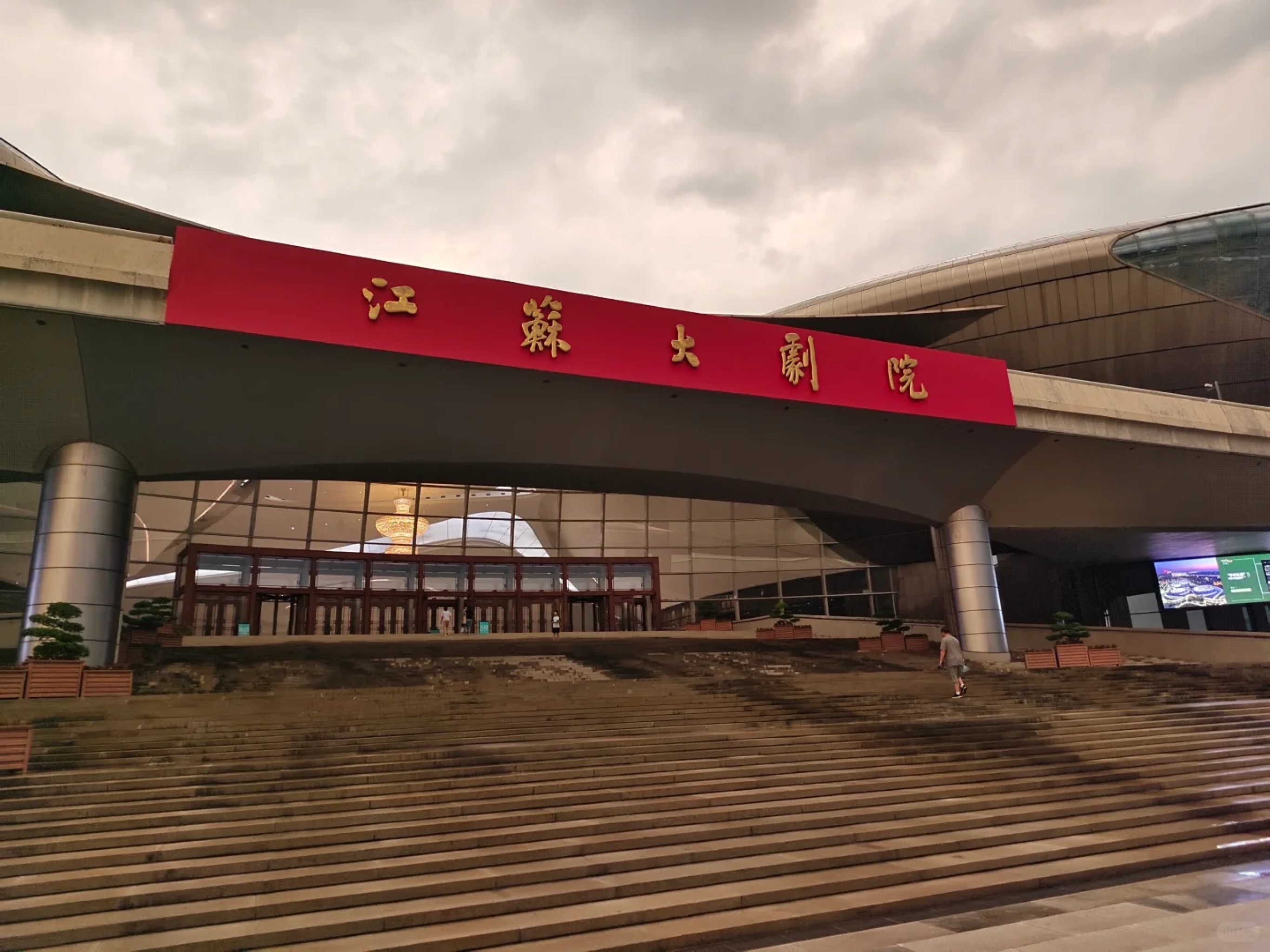 Yuhuatai has drawn poets and pilgrims since the Southern Dynasties, when scholars climbed its heights for sweeping views over Nanjing, then the cultural capital of southern China. Its grim modern chapter began in 1927, when the hilltop became an execution ground during the turbulent years between the collapse of the Qing dynasty and the founding of the People's Republic. Tens of thousands of revolutionaries died here, placing Yuhuatai alongside sites like Dublin's Kilmainham Gaol or Paris's Père Lachaise cemetery as places where national memory is inscribed onto landscape.
The site's centerpiece is a 42.3-meter granite memorial obelisk, flanked by a sweeping relief sculpture assembled from 179 stone blocks—the largest of its kind in China. Together they form a processional axis reminiscent of Lenin's Mausoleum approaches, but on a more contemplative scale. Beyond this ceremonial spine, the area preserves older treasures: the reconstructed Yuhua Pavilion, a soaring five-story hall in classical style, and the famed Second Spring of Jiangnan, celebrated by the Song-dynasty poet Lu You for its tea-brewing waters.
A trio of museums anchors the cultural experience. The Martyrs' Memorial Hall, a national first-class institution, displays personal letters, photographs, and artifacts tracing the revolutionary generation's sacrifices. The Rain Flower Stone Museum showcases the polished jaspers and agates prized by Chinese collectors since the Ming dynasty—each pebble bearing patterns that, in the tradition of cloud-watching, are said to conjure dragons, peaks, or storm-laden skies. A neighboring hall explores the leaf-needle tea that has grown on these slopes for centuries.
Entry is entirely free. The park opens Tuesday through Sunday from 8:30 to 16:00, closing only on Mondays except during national holidays. Some exhibition halls require advance booking via the WeChat account "China Yuhuatai" (中国雨花台). Metro Line 1 to Zhonghua Gate station delivers visitors to the south gate, and two to three hours is sufficient for a relaxed circuit, though those exploring every pavilion may wish to linger longer.
Begin at the south gate and follow the central axis past the Loyalty Pavilion, the towering monument, and the great stone sculpture to the memorial hall. Then drift westward through the gardens to Yuhua Pavilion and the Second Spring, finishing in the plum-covered Meigang ridge. Spring brings plum and azalea blossoms, autumn releases the fragrance of osmanthus, while summer visitors can retreat into the air-conditioned galleries before continuing their walk beneath the cooling canopy. Visitors should observe solemn conduct throughout the memorial sections, in keeping with the site's role as a place of national remembrance.
Travelers who have already absorbed Nanjing's heavier sites—the Ming city wall, the Nanjing Massacre Memorial—will find Yuhuatai a gentler counterpoint. It unites patriotism, poetry, and a famous local stone-collecting hobby in a single walkable park, making it an ideal introduction to how contemporary China layers living tradition, revolutionary memory, and urban leisure into one landscape.
Yuhuatai has drawn poets and pilgrims since the Southern Dynasties, when scholars climbed its heights for sweeping views over Nanjing, then the cultural capital of southern China. Its grim modern chapter began in 1927, when the hilltop became an execution ground during the turbulent years between the collapse of the Qing dynasty and the founding of the People's Republic. Tens of thousands of revolutionaries died here, placing Yuhuatai alongside sites like Dublin's Kilmainham Gaol or Paris's Père Lachaise cemetery as places where national memory is inscribed onto landscape.
The site's centerpiece is a 42.3-meter granite memorial obelisk, flanked by a sweeping relief sculpture assembled from 179 stone blocks—the largest of its kind in China. Together they form a processional axis reminiscent of Lenin's Mausoleum approaches, but on a more contemplative scale. Beyond this ceremonial spine, the area preserves older treasures: the reconstructed Yuhua Pavilion, a soaring five-story hall in classical style, and the famed Second Spring of Jiangnan, celebrated by the Song-dynasty poet Lu You for its tea-brewing waters.
A trio of museums anchors the cultural experience. The Martyrs' Memorial Hall, a national first-class institution, displays personal letters, photographs, and artifacts tracing the revolutionary generation's sacrifices. The Rain Flower Stone Museum showcases the polished jaspers and agates prized by Chinese collectors since the Ming dynasty—each pebble bearing patterns that, in the tradition of cloud-watching, are said to conjure dragons, peaks, or storm-laden skies. A neighboring hall explores the leaf-needle tea that has grown on these slopes for centuries.
Entry is entirely free. The park opens Tuesday through Sunday from 8:30 to 16:00, closing only on Mondays except during national holidays. Some exhibition halls require advance booking via the WeChat account "China Yuhuatai" (中国雨花台). Metro Line 1 to Zhonghua Gate station delivers visitors to the south gate, and two to three hours is sufficient for a relaxed circuit, though those exploring every pavilion may wish to linger longer.
Begin at the south gate and follow the central axis past the Loyalty Pavilion, the towering monument, and the great stone sculpture to the memorial hall. Then drift westward through the gardens to Yuhua Pavilion and the Second Spring, finishing in the plum-covered Meigang ridge. Spring brings plum and azalea blossoms, autumn releases the fragrance of osmanthus, while summer visitors can retreat into the air-conditioned galleries before continuing their walk beneath the cooling canopy. Visitors should observe solemn conduct throughout the memorial sections, in keeping with the site's role as a place of national remembrance.
Travelers who have already absorbed Nanjing's heavier sites—the Ming city wall, the Nanjing Massacre Memorial—will find Yuhuatai a gentler counterpoint. It unites patriotism, poetry, and a famous local stone-collecting hobby in a single walkable park, making it an ideal introduction to how contemporary China layers living tradition, revolutionary memory, and urban leisure into one landscape.