Zijin Mountain Scenic Area
⭐ 4.00
Zijin Mountain Scenic Area, Xindu District, Xingtai City, Hebei Province, China
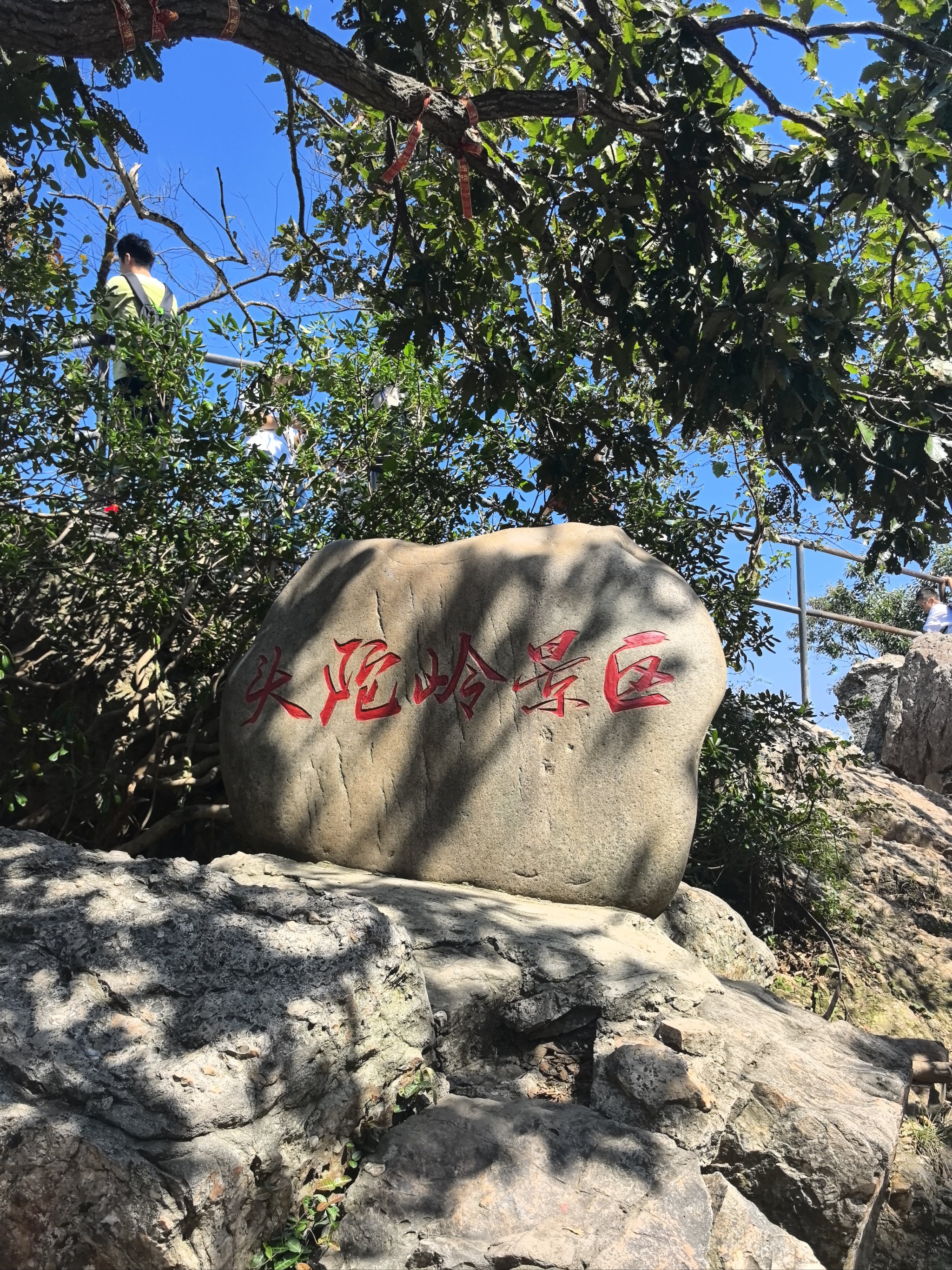 Rising to 1,747.5 metres at Motianling Peak, Zijin Mountain is a textbook example of the rare "Zhangshiyan" red-quartz-sandstone landform—gigantic faulted cliffs and slot canyons carved over hundreds of millions of years. Think of it as a Chinese cousin to Spain's Montserrat or Utah's Zion: massive, salmon-coloured walls sliced by plunging gorges. Its showpiece is the "Heavenly Urn," a natural rock cavity more than 20 metres across and over 50 metres deep, with a waterfall thundering straight into its mouth—an image on a par with Norway's famous glacial moulins. Equally photogenic are the Camel Peak and Peach Mountain, natural sculptures that appear almost animal or fruit-like against the forested skyline.
The mountain's cultural layer is just as striking. In the 13th century, during the Yuan Dynasty—the same era Marco Polo was travelling the court of Kublai Khan—the Zijin Academy flourished here. Five scholars known as the "Five Heroes of Zijin," including the polymath Guo Shoujing (whose calendars and astronomical instruments compare favourably with Tycho Brahe's work in distant Denmark) and Liu Bingzhong, the city planner who helped design Kublai Khan's capital at Khanbaliq (modern Beijing), once taught and studied on these slopes. The academy is often called China's medieval "Tsinghua," and the trail linking the Five Heroes Square, Qianyuan Cave, and the original academy foundations turns the visit into a living history lesson, with hanfu dressing, archery, and traditional games offered during the annual "Scholar's Culture Season."
Water is Zijin's summer trump card. A chain of pools—Moon Pool, Sun Pool, Seven Star Pool, and Clam Fairy Pool—threads through the valley, joined by a forest-misted bridge that feels lifted from a Studio Ghibli film. In July and August families splash in shallows and ride natural "water slides," while temperatures hover a refreshing 10°C below those of the Xingtai plains. Note that the Heavenly Urn boardwalk is one-way only; follow the arrows to avoid congestion.
Plan four to five hours for a relaxed visit. Admission runs 45–60 yuan, with the park open 7:30–18:30 from March to October and 8:00–17:00 in winter. The scenic area is 66 kilometres from Xingtai, reached via the Xingfen Expressway toward Luokou exit and then 15 kilometres west on the Xingzuo road. Free parking sits at the base, and slide ways and a low-altitude cable car make light work of the steeper sections.
The prime window is June through September, when swimming and waterfall flow are at their peak; spring and autumn, by contrast, deliver crisp air and vivid foliage ideal for photography. Mountain weather shifts quickly, so pack a light jacket, non-slip shoes, water, and snacks. In July and August, drive back before 16:30 to catch the last shuttle out, download offline maps in advance (signal is patchy in the gorges), and screenshot your e-ticket—small precautions that turn a wild Taihang adventure into a smooth family day out.
Rising to 1,747.5 metres at Motianling Peak, Zijin Mountain is a textbook example of the rare "Zhangshiyan" red-quartz-sandstone landform—gigantic faulted cliffs and slot canyons carved over hundreds of millions of years. Think of it as a Chinese cousin to Spain's Montserrat or Utah's Zion: massive, salmon-coloured walls sliced by plunging gorges. Its showpiece is the "Heavenly Urn," a natural rock cavity more than 20 metres across and over 50 metres deep, with a waterfall thundering straight into its mouth—an image on a par with Norway's famous glacial moulins. Equally photogenic are the Camel Peak and Peach Mountain, natural sculptures that appear almost animal or fruit-like against the forested skyline.
The mountain's cultural layer is just as striking. In the 13th century, during the Yuan Dynasty—the same era Marco Polo was travelling the court of Kublai Khan—the Zijin Academy flourished here. Five scholars known as the "Five Heroes of Zijin," including the polymath Guo Shoujing (whose calendars and astronomical instruments compare favourably with Tycho Brahe's work in distant Denmark) and Liu Bingzhong, the city planner who helped design Kublai Khan's capital at Khanbaliq (modern Beijing), once taught and studied on these slopes. The academy is often called China's medieval "Tsinghua," and the trail linking the Five Heroes Square, Qianyuan Cave, and the original academy foundations turns the visit into a living history lesson, with hanfu dressing, archery, and traditional games offered during the annual "Scholar's Culture Season."
Water is Zijin's summer trump card. A chain of pools—Moon Pool, Sun Pool, Seven Star Pool, and Clam Fairy Pool—threads through the valley, joined by a forest-misted bridge that feels lifted from a Studio Ghibli film. In July and August families splash in shallows and ride natural "water slides," while temperatures hover a refreshing 10°C below those of the Xingtai plains. Note that the Heavenly Urn boardwalk is one-way only; follow the arrows to avoid congestion.
Plan four to five hours for a relaxed visit. Admission runs 45–60 yuan, with the park open 7:30–18:30 from March to October and 8:00–17:00 in winter. The scenic area is 66 kilometres from Xingtai, reached via the Xingfen Expressway toward Luokou exit and then 15 kilometres west on the Xingzuo road. Free parking sits at the base, and slide ways and a low-altitude cable car make light work of the steeper sections.
The prime window is June through September, when swimming and waterfall flow are at their peak; spring and autumn, by contrast, deliver crisp air and vivid foliage ideal for photography. Mountain weather shifts quickly, so pack a light jacket, non-slip shoes, water, and snacks. In July and August, drive back before 16:30 to catch the last shuttle out, download offline maps in advance (signal is patchy in the gorges), and screenshot your e-ticket—small precautions that turn a wild Taihang adventure into a smooth family day out.