Bao Gong Lake
⭐ 4.20
Bao Gong Lake Scenic Area, Longting District, Kaifeng City, Henan Province, China
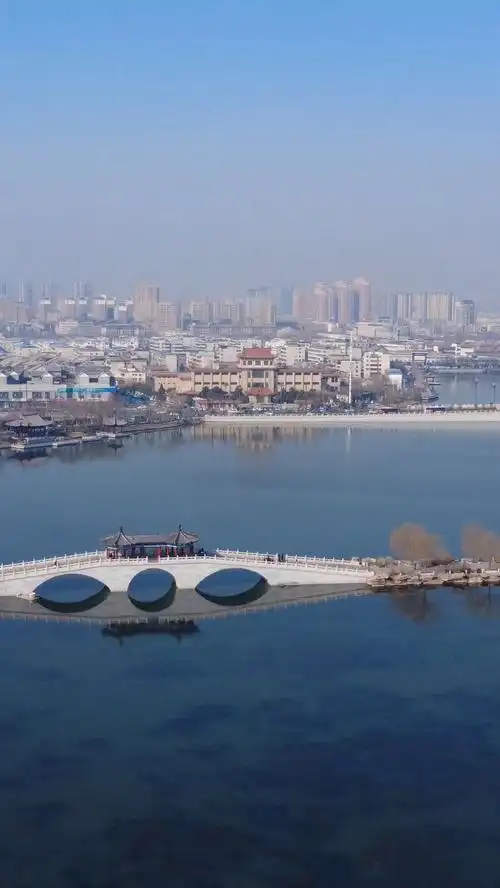 Kaifeng, capital of the Northern Song Dynasty (960–1127), was once among the largest and most dazzling cities on earth—rivaling Constantinople and Baghdad in population, sophistication, and trade wealth. At its zenith, the city boasted roughly a million residents, paper currency, and Europe's earliest movable-type printing, dazzling travelers long before Marco Polo. Bao Gong Lake takes its name from Bao Zheng (999–1062), the legendary magistrate whose fearsome pursuit of justice made him a folk hero on par with King Solomon or Robin Hood. The lake itself is an artificial creation nestled within Song-era walls, embodying Kaifeng's enduring identity as a "Song-style water city."
Carved into the southwest corner of the walled city, the lake stretches in a distinctive tilted-gourd shape from northwest to southeast, with Yingbin Road slicing dramatically through its middle. The result is a striking urban tableau where the roadway seems to float on water, much like a Venetian canal threading through a historic piazza. Lakeside architecture embraces Song aesthetics, with curved tile roofs, wooden pavilions, and the solemn Bao Zheng Temple anchoring the western shore. Across the water, the imposing gates and ceremonial halls of Kaifeng Prefecture rise on the eastern bank, the two monuments facing each other in dignified dialogue.
This compact area forms one of China's most concentrated "integrity culture" zones, where visitors trace the moral legacy of Bao Zheng through temple steles, courtyard museums, and live reenactments of Song-era judicial ceremonies. The adjacent Kaifeng Prefecture recreates the original magistrate's compound, complete with costumed officials performing the famous "Opening Court" drama—an experience akin to medieval European civic pageantry. Moon-shaped sculptures and the "Lian Spring" (Integrity Fountain) dot the lakeshore, turning abstract virtues into tangible landmarks that invite reflection between photo stops.
By day, the lakeside paths attract joggers and tai chi practitioners beneath willow and locust trees. As dusk falls, the lake transforms into a luminous spectacle: underwater lighting, mist machines, and illuminated bridges evoke verses by the Tang poet Li Bai about "moonlit nights by painted boats." Travelers can board traditional pleasure craft for evening tours that link the lake to the imperial Yu River and Dragon Pavilion Lake, gliding past lantern-lit pagodas reflected in still water—a scene that captures the lyrical heart of Song Dynasty romance.
The park is completely free and open around the clock, with no tickets, walls, or gates—a refreshing contrast to ticketed European heritage sites. A lakeside walking and cycling path stretches several kilometers, and summer boat rides are especially pleasant. Parking is extremely limited, so take bus 16 or a taxi instead. A suggested half-day itinerary: morning at Kaifeng Prefecture for the "Opening Court" performance, afternoon exploring Bao Zheng Temple's stone inscriptions, an evening lakeside stroll at sunset, then a night boat ride capped with local street food—almond tea and stir-fried jelly noodles—at the nearby Xisi Night Market.
Kaifeng, capital of the Northern Song Dynasty (960–1127), was once among the largest and most dazzling cities on earth—rivaling Constantinople and Baghdad in population, sophistication, and trade wealth. At its zenith, the city boasted roughly a million residents, paper currency, and Europe's earliest movable-type printing, dazzling travelers long before Marco Polo. Bao Gong Lake takes its name from Bao Zheng (999–1062), the legendary magistrate whose fearsome pursuit of justice made him a folk hero on par with King Solomon or Robin Hood. The lake itself is an artificial creation nestled within Song-era walls, embodying Kaifeng's enduring identity as a "Song-style water city."
Carved into the southwest corner of the walled city, the lake stretches in a distinctive tilted-gourd shape from northwest to southeast, with Yingbin Road slicing dramatically through its middle. The result is a striking urban tableau where the roadway seems to float on water, much like a Venetian canal threading through a historic piazza. Lakeside architecture embraces Song aesthetics, with curved tile roofs, wooden pavilions, and the solemn Bao Zheng Temple anchoring the western shore. Across the water, the imposing gates and ceremonial halls of Kaifeng Prefecture rise on the eastern bank, the two monuments facing each other in dignified dialogue.
This compact area forms one of China's most concentrated "integrity culture" zones, where visitors trace the moral legacy of Bao Zheng through temple steles, courtyard museums, and live reenactments of Song-era judicial ceremonies. The adjacent Kaifeng Prefecture recreates the original magistrate's compound, complete with costumed officials performing the famous "Opening Court" drama—an experience akin to medieval European civic pageantry. Moon-shaped sculptures and the "Lian Spring" (Integrity Fountain) dot the lakeshore, turning abstract virtues into tangible landmarks that invite reflection between photo stops.
By day, the lakeside paths attract joggers and tai chi practitioners beneath willow and locust trees. As dusk falls, the lake transforms into a luminous spectacle: underwater lighting, mist machines, and illuminated bridges evoke verses by the Tang poet Li Bai about "moonlit nights by painted boats." Travelers can board traditional pleasure craft for evening tours that link the lake to the imperial Yu River and Dragon Pavilion Lake, gliding past lantern-lit pagodas reflected in still water—a scene that captures the lyrical heart of Song Dynasty romance.
The park is completely free and open around the clock, with no tickets, walls, or gates—a refreshing contrast to ticketed European heritage sites. A lakeside walking and cycling path stretches several kilometers, and summer boat rides are especially pleasant. Parking is extremely limited, so take bus 16 or a taxi instead. A suggested half-day itinerary: morning at Kaifeng Prefecture for the "Opening Court" performance, afternoon exploring Bao Zheng Temple's stone inscriptions, an evening lakeside stroll at sunset, then a night boat ride capped with local street food—almond tea and stir-fried jelly noodles—at the nearby Xisi Night Market.