Yanbian Korean Folk Village
⭐ 4.30
Intersection of Friendship Road and Xinxing Street, Yanji City, Yanbian Korean Autonomous Prefecture, Jilin Province, China
 **Historical Context**
Yanji sits at the heart of China's Korean autonomous prefecture, home to roughly 800,000 ethnic Koreans whose ancestors migrated across the Tumen River beginning in the nineteenth century, fleeing poverty and later Japanese occupation. The park functions as an open-air archive of that migration, with its nine century-old homes carefully dismantled and reassembled from surrounding villages. Much like Skansen in Stockholm preserves Sweden's rural past, or the open-air museums of Normandy safeguard vanished peasant life, this site anchors a displaced heritage to its new soil, earning designation as a national-level nighttime cultural tourism cluster.
**Architecture**
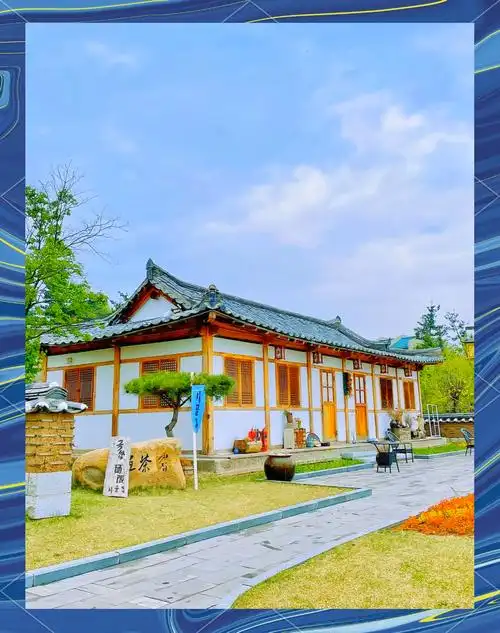
The compound draws on the classic Korean hanok vernacular: gently sloped roofs sheathed in dark blue-grey tiles, brilliant white lime walls, exposed wooden beams, and tiled courtyards linked by covered walkways and small bridges. The nine heritage houses retain their original mortise-and-tenon joinery and period furnishings, while the newer structures echo the same vocabulary, creating a unified aesthetic. By day, low sun rakes across the tiled ridges; by night, hundreds of paper lanterns transform the lanes into something resembling a Bavarian Christmas market filtered through a Joseon-era palace.
**Cultural Significance**
Beyond its photogenic walls, the park operates as a living workshop for intangible heritage. Guests can pound steamed rice into chewy tteok, brew makgeolli rice wine using ancestral methods, and bury cabbage in chili paste for kimchi. Performance stages host long-drum dances, the exuberant nongak farmer's band music, and traditional wedding reenactments complete with ceremonial costumes and music. Seasonal swing and seesaw competitions round out the folk-sports program, giving visitors hands-on access to rituals rarely seen even inside the Korean peninsula.
**Practical Information**
The park welcomes visitors daily from 09:00 to 21:00, with last entry at 20:30 and extended summer hours. Tickets cost roughly 30 yuan for adults and 15 yuan for concessions, though separate fees apply to costume rentals and some workshops. It lies about fifteen minutes by car from central Yanji, with free parking and tourist shuttle buses stopping nearby. Yanji West railway station staff offer multilingual assistance, easing arrivals for international travelers. The surrounding neighborhood boasts more than 700 costume and photography studios catering to the hanbok photo craze.
**Why Visit**
Arrive after 16:30 to catch the golden-hour light gilding the old timbers, then linger until 19:00 when the illumination show and musical fountains begin. Book photo sessions in advance during summer peak season, and confirm what each package includes to avoid hidden costs. For travelers tracing the cultural threads between Northeast China and the Korean peninsula, this is the region's most immersive single stop, equally rewarding for foodies, dancers, photographers, and anyone curious about one of Asia's most resilient diaspora stories.
**Historical Context**
Yanji sits at the heart of China's Korean autonomous prefecture, home to roughly 800,000 ethnic Koreans whose ancestors migrated across the Tumen River beginning in the nineteenth century, fleeing poverty and later Japanese occupation. The park functions as an open-air archive of that migration, with its nine century-old homes carefully dismantled and reassembled from surrounding villages. Much like Skansen in Stockholm preserves Sweden's rural past, or the open-air museums of Normandy safeguard vanished peasant life, this site anchors a displaced heritage to its new soil, earning designation as a national-level nighttime cultural tourism cluster.
**Architecture**
The compound draws on the classic Korean hanok vernacular: gently sloped roofs sheathed in dark blue-grey tiles, brilliant white lime walls, exposed wooden beams, and tiled courtyards linked by covered walkways and small bridges. The nine heritage houses retain their original mortise-and-tenon joinery and period furnishings, while the newer structures echo the same vocabulary, creating a unified aesthetic. By day, low sun rakes across the tiled ridges; by night, hundreds of paper lanterns transform the lanes into something resembling a Bavarian Christmas market filtered through a Joseon-era palace.
**Cultural Significance**
Beyond its photogenic walls, the park operates as a living workshop for intangible heritage. Guests can pound steamed rice into chewy tteok, brew makgeolli rice wine using ancestral methods, and bury cabbage in chili paste for kimchi. Performance stages host long-drum dances, the exuberant nongak farmer's band music, and traditional wedding reenactments complete with ceremonial costumes and music. Seasonal swing and seesaw competitions round out the folk-sports program, giving visitors hands-on access to rituals rarely seen even inside the Korean peninsula.
**Practical Information**
The park welcomes visitors daily from 09:00 to 21:00, with last entry at 20:30 and extended summer hours. Tickets cost roughly 30 yuan for adults and 15 yuan for concessions, though separate fees apply to costume rentals and some workshops. It lies about fifteen minutes by car from central Yanji, with free parking and tourist shuttle buses stopping nearby. Yanji West railway station staff offer multilingual assistance, easing arrivals for international travelers. The surrounding neighborhood boasts more than 700 costume and photography studios catering to the hanbok photo craze.
**Why Visit**
Arrive after 16:30 to catch the golden-hour light gilding the old timbers, then linger until 19:00 when the illumination show and musical fountains begin. Book photo sessions in advance during summer peak season, and confirm what each package includes to avoid hidden costs. For travelers tracing the cultural threads between Northeast China and the Korean peninsula, this is the region's most immersive single stop, equally rewarding for foodies, dancers, photographers, and anyone curious about one of Asia's most resilient diaspora stories.