Yalu River China-North Korea Border
⭐ 3.50
Yalu River China-North Korea Border Section, Tumen City, Yanbian Korean Autonomous Prefecture, Jilin Province, China
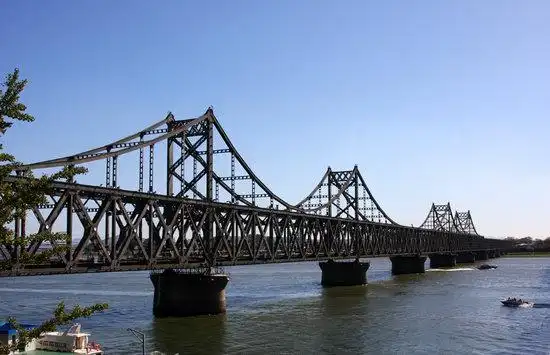 The Yalu River carries far more weight than its tranquil waters suggest. During the 1950-53 Korean War, it served as the critical lifeline through which Chinese forces crossed to confront United Nations troops, most notably American GIs. The shattered remains of the Yalu River Broken Bridge in nearby Dandong still stand as a haunting reminder of that conflict—comparable in emotional resonance to Berlin's Bernauer Strasse or Normandy's bombed bunkers. Today, the Yanbian stretch represents a quieter chapter of this frontier, where the river continues to define one of the most heavily militarized and politically sensitive boundaries on Earth.
Nature here operates on a grand scale. The Yalu River Grand Canyon, carved into the southern flanks of Changbai Mountain (the same volcanic massif shared with North Korea), plunges with towering cliffs and jagged stone pinnacles that rival sections of Norway's fjords or Spain's Rio Tinto gorge. Twenty-two purpose-built riverside viewing platforms allow visitors to drink in sweeping vistas of the border waters, where the Yalu and Tumen systems converge. On clear days, the North Korean shore reveals itself in striking detail—farming collectives, distant mountains, and the surreal stillness of a country largely closed to outsiders.
Tumen Port stands as the principal crossing point along this stretch, where the iconic No. 86 boundary marker draws visitors eager to photograph themselves at a genuine geopolitical frontier. The atmosphere here echoes the mystique of Cold War-era checkpoints like Checkpoint Charlie, though the mood is decidedly peaceful. Nearby, the China-North Korea Friendship Cultural Street brings a festive commercial energy, with shops, restaurants, and cross-border commerce offering a tangible sense of the everyday interactions that persist despite diplomatic tensions.
Beyond the political spectacle, Yanbian pulses with the cultural vitality of China's 2 million-strong Korean ethnic minority. The Korean Folk Village near Yanji invites visitors to don traditional hanbok dresses for photography sessions, master the springy art of tteok rice cake pounding, and sample regional specialties like cold buckwheat noodles, fiery kimchi, and grilled meats. Traditional games such as neoltwigi (giant swing) and ttakpan (seesaw jumping) provide glimpses into a culture that spans both sides of the river, sharing linguistic and culinary roots with Seoul just three hours south by air.
Practical planning is refreshingly straightforward. Most travelers fly into Yanji Chaoyangchuan International Airport, which serves direct flights from Beijing, Shanghai, and several overseas destinations. A rental car along the well-maintained G331 National Highway unlocks the region's scattered attractions at your own pace—a 2 to 3 day itinerary covers the essential highlights comfortably. Foreign visitors from dozens of countries currently enjoy visa-free entry to Yanbian, making this remote corner of northeastern China remarkably accessible for those seeking an authentic and thought-provoking adventure beyond the usual tourist trail.
The Yalu River carries far more weight than its tranquil waters suggest. During the 1950-53 Korean War, it served as the critical lifeline through which Chinese forces crossed to confront United Nations troops, most notably American GIs. The shattered remains of the Yalu River Broken Bridge in nearby Dandong still stand as a haunting reminder of that conflict—comparable in emotional resonance to Berlin's Bernauer Strasse or Normandy's bombed bunkers. Today, the Yanbian stretch represents a quieter chapter of this frontier, where the river continues to define one of the most heavily militarized and politically sensitive boundaries on Earth.
Nature here operates on a grand scale. The Yalu River Grand Canyon, carved into the southern flanks of Changbai Mountain (the same volcanic massif shared with North Korea), plunges with towering cliffs and jagged stone pinnacles that rival sections of Norway's fjords or Spain's Rio Tinto gorge. Twenty-two purpose-built riverside viewing platforms allow visitors to drink in sweeping vistas of the border waters, where the Yalu and Tumen systems converge. On clear days, the North Korean shore reveals itself in striking detail—farming collectives, distant mountains, and the surreal stillness of a country largely closed to outsiders.
Tumen Port stands as the principal crossing point along this stretch, where the iconic No. 86 boundary marker draws visitors eager to photograph themselves at a genuine geopolitical frontier. The atmosphere here echoes the mystique of Cold War-era checkpoints like Checkpoint Charlie, though the mood is decidedly peaceful. Nearby, the China-North Korea Friendship Cultural Street brings a festive commercial energy, with shops, restaurants, and cross-border commerce offering a tangible sense of the everyday interactions that persist despite diplomatic tensions.
Beyond the political spectacle, Yanbian pulses with the cultural vitality of China's 2 million-strong Korean ethnic minority. The Korean Folk Village near Yanji invites visitors to don traditional hanbok dresses for photography sessions, master the springy art of tteok rice cake pounding, and sample regional specialties like cold buckwheat noodles, fiery kimchi, and grilled meats. Traditional games such as neoltwigi (giant swing) and ttakpan (seesaw jumping) provide glimpses into a culture that spans both sides of the river, sharing linguistic and culinary roots with Seoul just three hours south by air.
Practical planning is refreshingly straightforward. Most travelers fly into Yanji Chaoyangchuan International Airport, which serves direct flights from Beijing, Shanghai, and several overseas destinations. A rental car along the well-maintained G331 National Highway unlocks the region's scattered attractions at your own pace—a 2 to 3 day itinerary covers the essential highlights comfortably. Foreign visitors from dozens of countries currently enjoy visa-free entry to Yanbian, making this remote corner of northeastern China remarkably accessible for those seeking an authentic and thought-provoking adventure beyond the usual tourist trail.