Pingyao Ancient City
⭐ 4.60
Pingyao Ancient City Scenic Area, Pingyao County, Jinzhong City, Shanxi Province, China
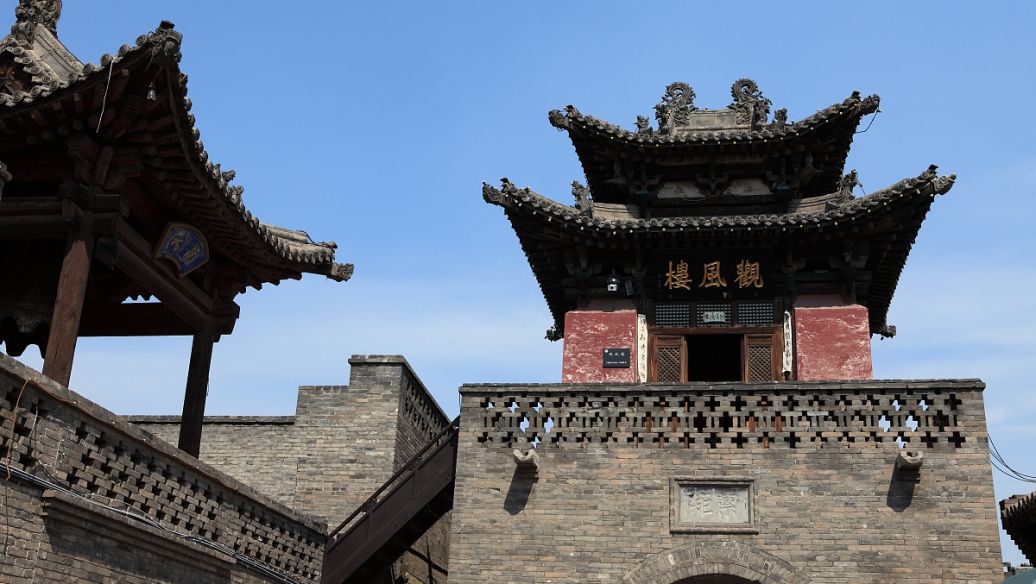 Founded during the Western Zhou dynasty and substantially rebuilt in 1370 during the Ming dynasty, Pingyao offers an extraordinary window into imperial-era urban planning. Its "tortoise city" layout symbolizes longevity and stability, with four main streets, eight smaller ones, and 72 winding alleys forming a distinctive grid. Contemporary with the Renaissance in Florence and the late medieval walls of Carcassonne in southern France, Pingyao represents one of the finest surviving examples of a traditional Chinese county seat.
The city walls stretch 6.4 kilometers, rising 12 meters high, with six barbican gates and 72 watchtowers—each representing one of Confucius's legendary disciples. Climbing the ramparts rewards visitors with sweeping views of gray-tiled rooftops and temple spires. At dusk, when red lanterns flicker to life along the ramparts, photographers find some of China's most evocative nightscapes, reminiscent of Rothko's luminous color fields rendered in stone and paper.
Pingyao stands as the spiritual heartland of the Shanxi merchant banking tradition. The Rishengchang Exchange, founded in 1823, predated Western institutions like Barings Bank as a functioning financial powerhouse and is regarded as the birthplace of modern Chinese banking. Its rival, Xiehetai, conceals the largest underground vault in town. The county magistrate's office, the most intact of its kind in China, stages daily "court session" reenactments that bring bureaucratic rituals vividly to life.
A combined ticket (around 123 yuan) covers 22 sites and remains valid for three days. Plan two days: spend the first exploring the magistrate's office, banking houses, and walls, then catch the immersive performance "Encore Pingyao" by night. On day two, venture to the outlying Twin Pagoda Temple, famed for its Song-dynasty painted sculptures rivaling those of Italian medieval churches, or to Zhenguo Temple with its rare Five Dynasties wooden structures. Stay in a courtyard guesthouse tucked down a quiet lane rather than on the main drag.
For sustenance, sample local specialties including Pingyao's famous cured beef, bowl-shaped buckwheat dishes, and oat noodles. Remember that Pingyao is a living community, not an open-air museum—respect residents going about their daily lives. Note that in summer 2026, some halls at Twin Pagoda and Zhenguo temples will undergo restoration; check ahead before visiting. Compared with the polished tourist reconstructions of other Chinese heritage sites, Pingyao's honest patina of age offers something rarer still: an authentic conversation with the past.
Founded during the Western Zhou dynasty and substantially rebuilt in 1370 during the Ming dynasty, Pingyao offers an extraordinary window into imperial-era urban planning. Its "tortoise city" layout symbolizes longevity and stability, with four main streets, eight smaller ones, and 72 winding alleys forming a distinctive grid. Contemporary with the Renaissance in Florence and the late medieval walls of Carcassonne in southern France, Pingyao represents one of the finest surviving examples of a traditional Chinese county seat.
The city walls stretch 6.4 kilometers, rising 12 meters high, with six barbican gates and 72 watchtowers—each representing one of Confucius's legendary disciples. Climbing the ramparts rewards visitors with sweeping views of gray-tiled rooftops and temple spires. At dusk, when red lanterns flicker to life along the ramparts, photographers find some of China's most evocative nightscapes, reminiscent of Rothko's luminous color fields rendered in stone and paper.
Pingyao stands as the spiritual heartland of the Shanxi merchant banking tradition. The Rishengchang Exchange, founded in 1823, predated Western institutions like Barings Bank as a functioning financial powerhouse and is regarded as the birthplace of modern Chinese banking. Its rival, Xiehetai, conceals the largest underground vault in town. The county magistrate's office, the most intact of its kind in China, stages daily "court session" reenactments that bring bureaucratic rituals vividly to life.
A combined ticket (around 123 yuan) covers 22 sites and remains valid for three days. Plan two days: spend the first exploring the magistrate's office, banking houses, and walls, then catch the immersive performance "Encore Pingyao" by night. On day two, venture to the outlying Twin Pagoda Temple, famed for its Song-dynasty painted sculptures rivaling those of Italian medieval churches, or to Zhenguo Temple with its rare Five Dynasties wooden structures. Stay in a courtyard guesthouse tucked down a quiet lane rather than on the main drag.
For sustenance, sample local specialties including Pingyao's famous cured beef, bowl-shaped buckwheat dishes, and oat noodles. Remember that Pingyao is a living community, not an open-air museum—respect residents going about their daily lives. Note that in summer 2026, some halls at Twin Pagoda and Zhenguo temples will undergo restoration; check ahead before visiting. Compared with the polished tourist reconstructions of other Chinese heritage sites, Pingyao's honest patina of age offers something rarer still: an authentic conversation with the past.