Ming Xiaoling Mausoleum

⭐ 4.60

Ming Xiaoling Scenic Area, Xuanwu District, Nanjing, Jiangsu Province, China
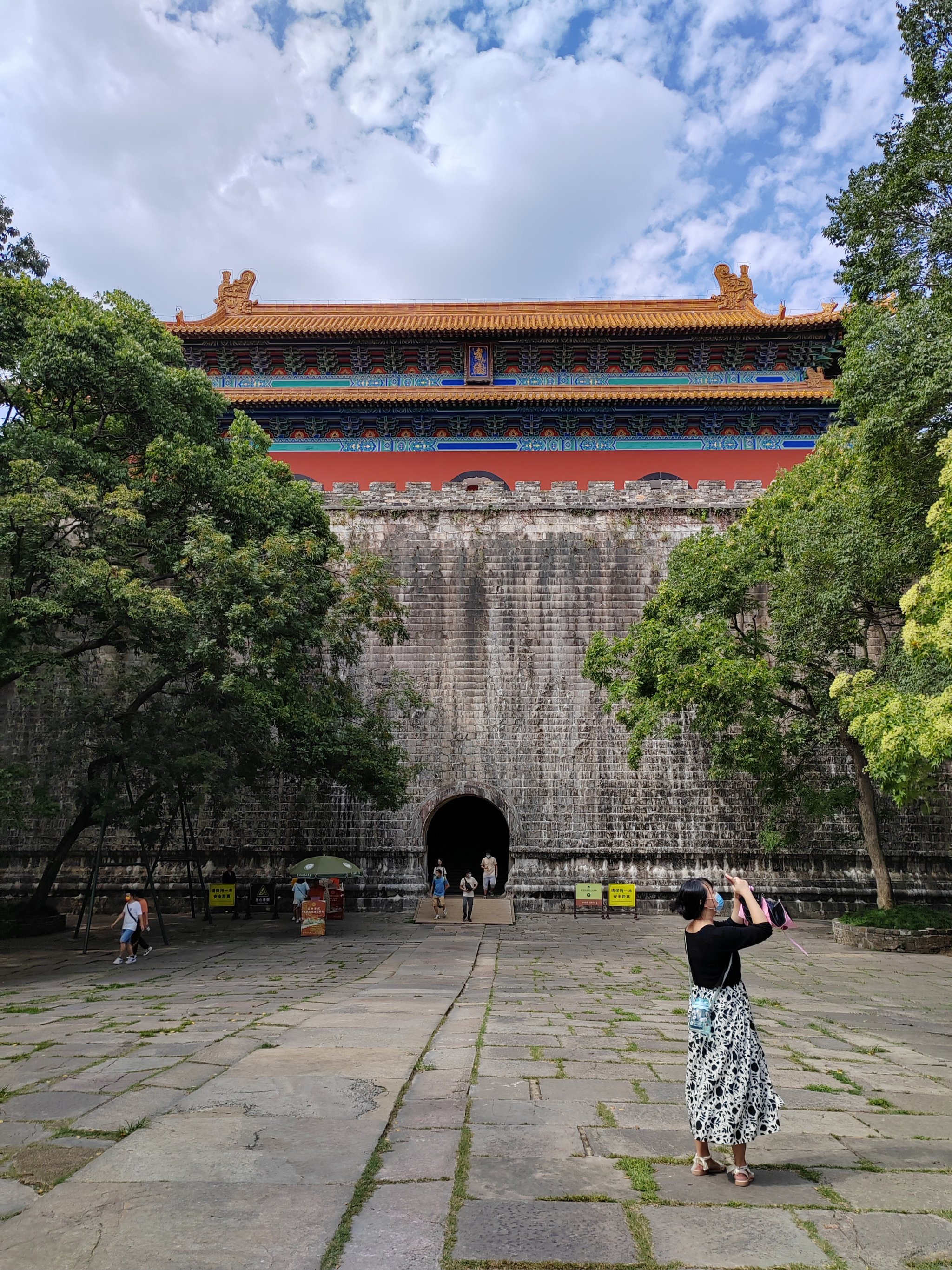
Ming Xiaoling Mausoleum
Begun in 1381 and completed three decades later, Ming Xiaoling is the resting place of Emperor Hongwu, the peasant rebel who founded the Ming Dynasty in 1368 and reunified China after the Mongol Yuan collapse. Comparable in ambition to Louis XIV's transformation of Versailles or the Habsburg Imperial Crypt in Vienna, it ranks among the largest imperial burial complexes in Chinese history. More importantly, it served as the architectural blueprint for the next 500 years, shaping over twenty Ming and Qing imperial tombs, including Beijing's famed Ming Tombs and the Western Qing Tombs. This pioneering status makes it an essential stop for anyone seeking to understand Chinese imperial culture. The mausoleum's defining innovation is its "round before, square after" layout—the square-walled陵宫 (Spirit City) transitions into the circular Earth Mound, embodying the ancient cosmological idea of "heaven is round, earth is square." The grand Fangcheng Minglou, with its double-eaved yellow-tiled roof, dominates the complex, while the underground palace has never been looted. The entire site follows the contours of Purple Mountain in a remarkable "Big Dipper" arrangement, an example of feng shui principles pushed to their imperial zenith—imagine the geometric precision of Versailles' gardens fused with the sacred geometry of a Gothic cathedral. The 615-meter Spirit Way is the artistic highlight. It winds gracefully between twelve pairs of stone animals—lions, xiezhi, camels, elephants, qilin, and horses—alternating standing and kneeling postures, considered masterpieces of Ming stone carving on par with the equestrian statues of Renaissance Italy. Uniquely, the path detours around the earlier tomb of Sun Quan, the third-century founder of Eastern Wu, a gesture of political magnanimity that even Europe's most enlightened monarchs might envy. The Sacred Road's gentle curve through pine and cypress creates one of China's most photographed approaches to any monument. Cultural treasures abound throughout the grounds. The Stele Pavilion houses Kangxi Emperor's four characters "治隆唐宋" ("His Governance Surpassed the Tang and Song"), praising Hongwu's achievements—a bold statement from a Qing ruler honoring a Ming predecessor. Nearby stands the massive 8.78-meter "Great Ming Xiaoling Stele," one of China's tallest imperial steles still standing. Equally fascinating is the rare multilingual "Six Nations Notification Stele" at the陵宫 gate, inscribed in six languages to warn foreign visitors against damaging the site—a 14th-century precursor to UNESCO's preservation ethos. Practical information: located in Nanjing's Xuanwu District, admission is 70 RMB in high season (March–October) and 60 RMB in low season (November–February). The site opens roughly 8:30 AM to 5:30 PM; enter through Gate 5 (the Great Golden Gate) to follow the Spirit Way in proper sequence. The M2 metro line stops at Muxuyuan or Xiamafang stations. Allow 2–3 hours, follow the recommended clockwise route—Great Golden Gate → Sifangcheng → Stone Elephant Path → Wengzhong Path → Fangcheng Minglou → Earth Mound—and visit early morning for softer light and fewer crowds. Why visit? Beyond its UNESCO status, Ming Xiaoling offers a profound contrast to the Western tomb tradition. Where European royal burials like Versailles' chapel or the Escorial in Spain emphasize vertical Christian splendor, Ming Xiaoling spreads horizontally across mountain slopes in harmonious dialogue with nature. Each season transforms the experience—plum blossoms in spring, lush canopy in summer, golden ginkgo in autumn, snow-dusted stone beasts in winter. After your visit, walk or shuttle next door to Sun Yat-sen Mausoleum and the elegant Meiling Palace, completing a perfect one-day Purple Mountain itinerary that no history-loving traveler to China should miss.

Traveler reviews

Our guide Teacher Liu today was absolutely wonderful! We got to learn about 600+ years of Ming dynasty changes, really felt the spirit and backbo...
⭐ 5 · Logan Expand
Nestled at the southern foot of Purple Mountain in Nanjing, Ming Xiaoling is the joint tomb of Ming founder Zhu Yuanzhang and Empress Ma—a UNESCO World Heritage site and the trailblazer of Ming and Qing imperial tombs. Its "front court, rear residence; front square, rear round" layout set the standard for imperial tombs for over 500 years. The winding Stone Elephant Road and Wengzhong Road feature 24 stone beasts and 8 civil and military stone figures, all carved with magnificent grandeur showing the might of early Ming. The Kangxi Emperor's inscribed stele praising "Governance surpassing Tang and Song," the imposing Fangcheng City, the Ming Tower, and the treasure mound all quie...
⭐ 5 · Skylar Expand