Xuancheng Xuan Paper Workshop
⭐ 3.80
Xuancheng Xuan Paper Workshop, Xuanzhou District, Xuancheng City, Anhui Province, China
 Paper, one of humanity's most transformative inventions, emerged in China around the 2nd century before spreading westward along the Silk Road. Xuan paper was perfected in Jingxian County during the Tang Dynasty, roughly contemporary with Charlemagne's Europe, and its luminous whiteness, absorbency, and durability have made it the gold standard for Chinese calligraphy and ink painting ever since. Often compared to fine European vellum or the prized cotton-rag sheets produced at Italy's medieval Fabriano paper mills, Xuan paper has helped preserve masterpieces for over a thousand years.
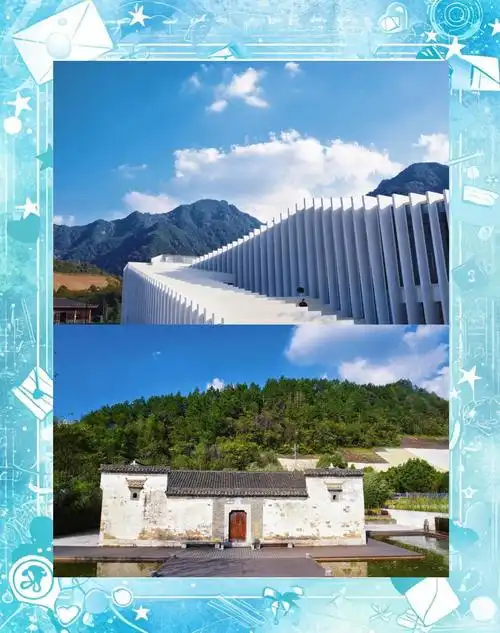
The workshop complex showcases classic Hui-style architecture, with weathered grey tiles crowning whitewashed walls in a style sometimes likened to Tuscany's terracotta farmhouses or the whitewashed villages of the Greek Cyclades. Traditional workshop sheds sit alongside elegant exhibition halls linked by the "Xuan Paper Heritage Corridor," a museum-like passage displaying centuries-old tools and detailed explanations of every stage of production. Glass-walled viewing galleries let visitors observe artisans at work, much like a contemporary art studio or watchmaker's atelier.
Xuan paper-making was inscribed on China's national list of intangible cultural heritage in 2008, recognizing its central role in the country's artistic and literary traditions. Some masterpieces painted on Xuan paper have survived intact for over a thousand years, comparable in longevity to Europe's oldest illuminated manuscripts. The workshop functions as both museum and working factory, keeping ancient skills alive at a time when most folk crafts survive only in textbooks. For Western visitors familiar with the decline of European handicrafts, this is a rare chance to witness a living tradition in full flower.
The workshop sits within the larger Xuan Paper Market complex in Dingjiaqiao Town, about a 90-minute drive southwest of Xuancheng city, or roughly three hours from Huangshan (Yellow Mountain). Hire a driver or arrange transport through your hotel, since public buses are infrequent. Admission is modest, though hands-on experiences like paper-dipping and fan-making require advance booking and a small extra fee. Opening hours run 8:30 am to 5:00 pm daily; allow two to three hours for a meaningful visit. An on-site shop sells paper and souvenirs, while a themed hotel and restaurants cover overnight needs.
Few experiences connect travelers so directly to a thousand-year-old craft as this one. You'll leave with a small fan or scroll you made yourself, an understanding of why Xuan paper commands such devotion among artists, and perhaps a deeper appreciation for the patient labor behind every masterpiece you've admired in museums. The surrounding Jingxian countryside, dotted with tea terraces and bamboo groves, rewards those who linger, and the workshop pairs naturally with visits to the nearby China Xuan Paper Culture Museum and the famously poetic Taohuatan (Peach Blossom Pool).
Paper, one of humanity's most transformative inventions, emerged in China around the 2nd century before spreading westward along the Silk Road. Xuan paper was perfected in Jingxian County during the Tang Dynasty, roughly contemporary with Charlemagne's Europe, and its luminous whiteness, absorbency, and durability have made it the gold standard for Chinese calligraphy and ink painting ever since. Often compared to fine European vellum or the prized cotton-rag sheets produced at Italy's medieval Fabriano paper mills, Xuan paper has helped preserve masterpieces for over a thousand years.
The workshop complex showcases classic Hui-style architecture, with weathered grey tiles crowning whitewashed walls in a style sometimes likened to Tuscany's terracotta farmhouses or the whitewashed villages of the Greek Cyclades. Traditional workshop sheds sit alongside elegant exhibition halls linked by the "Xuan Paper Heritage Corridor," a museum-like passage displaying centuries-old tools and detailed explanations of every stage of production. Glass-walled viewing galleries let visitors observe artisans at work, much like a contemporary art studio or watchmaker's atelier.
Xuan paper-making was inscribed on China's national list of intangible cultural heritage in 2008, recognizing its central role in the country's artistic and literary traditions. Some masterpieces painted on Xuan paper have survived intact for over a thousand years, comparable in longevity to Europe's oldest illuminated manuscripts. The workshop functions as both museum and working factory, keeping ancient skills alive at a time when most folk crafts survive only in textbooks. For Western visitors familiar with the decline of European handicrafts, this is a rare chance to witness a living tradition in full flower.
The workshop sits within the larger Xuan Paper Market complex in Dingjiaqiao Town, about a 90-minute drive southwest of Xuancheng city, or roughly three hours from Huangshan (Yellow Mountain). Hire a driver or arrange transport through your hotel, since public buses are infrequent. Admission is modest, though hands-on experiences like paper-dipping and fan-making require advance booking and a small extra fee. Opening hours run 8:30 am to 5:00 pm daily; allow two to three hours for a meaningful visit. An on-site shop sells paper and souvenirs, while a themed hotel and restaurants cover overnight needs.
Few experiences connect travelers so directly to a thousand-year-old craft as this one. You'll leave with a small fan or scroll you made yourself, an understanding of why Xuan paper commands such devotion among artists, and perhaps a deeper appreciation for the patient labor behind every masterpiece you've admired in museums. The surrounding Jingxian countryside, dotted with tea terraces and bamboo groves, rewards those who linger, and the workshop pairs naturally with visits to the nearby China Xuan Paper Culture Museum and the famously poetic Taohuatan (Peach Blossom Pool).