Shennv Peak
⭐ 4.20
Shennv Peak Scenic Area, Zigui County, Yichang City, Hubei Province, China
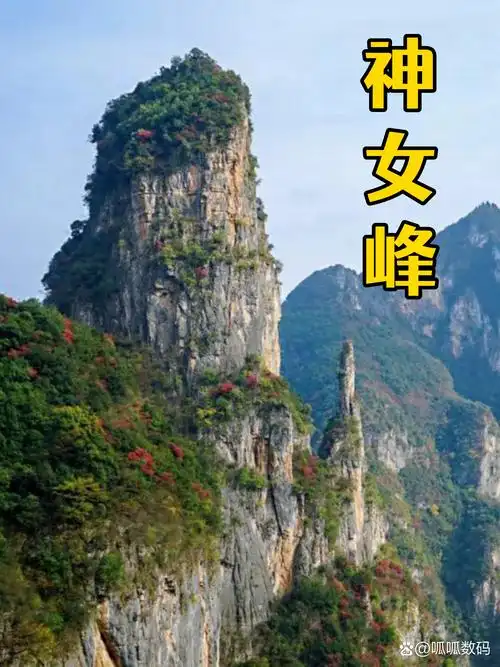 While commonly listed under Yichang, Goddess Peak actually stands in Wushan County, Chongqing—Yichang merely marks the eastern gateway to the Three Gorges. Rising roughly 860 meters above the Yangtze, it is the loftiest of the Twelve Peaks of Wushan and the visual climax of Wuxia Gorge. Compared with the Rhine's vine-clad castles or Norway's intimate fjords, the Three Gorges plunge a staggering 1,500 meters from rim to river—Goddess Peak presiding over the chasm like a sentinel that has watched two thousand years of dynasties rise and fall.
The peak's fame rests on a singular feature: a 6.4-meter natural stone column perched on the summit, its silhouette so perfectly feminine that generations of travelers have seen a young woman waiting in the mist. Geologists credit millennia of wind and water; the human imagination prefers romance. The peak also catches both sunrise and sunset, earning its alternate name, Wangxia Peak—"Peak That Watches the Glow." Each season transforms it: spring's gauze-like fog, summer's billowing clouds, autumn's crimson forests, and winter's silent snows.
Legends name the maiden Yaoji, daughter of either the Yan Emperor or the Queen Mother of the West—a tradition stretching back to China's Warring States era. She supposedly helped Yu the Great tame the Great Flood before taking her post to safeguard river travelers. Her story resonates in China as deeply as the Rhine Maidens in German folklore or the nymphs of Arcadia in Greek myth. Since Qu Yuan's Chuci in the 4th century BCE, more than 6,000 poems have been composed about her. The phrase "Wushan cloud and rain" became literary shorthand for romantic longing, immortalized by Li Bai and countless successors.
The classic—and recommended—approach is viewing the peak from the deck of a Yangtze River cruise ship, much as travelers have admired Norway's fjords or Egypt's Nile temples for generations. Ships slow through Wuxia Gorge, typically between 9 and 11 in the morning, when light is sharpest and mists still cling to the cliffs. Most international cruise lines include commentary, and this unobstructed river-level vantage frames the maiden against mist and mountain in a way no land viewpoint can match. Bring a telephoto lens and a light jacket—even in summer, the gorge mornings are cool.
For travelers with time to spare, the Wuxia·Goddess Scenic Area on the south bank offers an alternative vantage point. A cable car ascends to an 800-meter observation platform with 360-degree panoramas, a closer view of the goddess sculpture, and cliffside inscriptions. Allow two to three hours for the complete visit. This experience complements rather than replaces the cruise approach—the river reveals the peak's iconic silhouette, while the cliff-top platform shows the surrounding gorge's full scale. The nearby Goddess Stream is a separate tributary with different views and shouldn't be confused with the main peak experience.
Build Goddess Peak into a wider Three Gorges itinerary—boarding at Yichang, passing the Three Gorges Dam, and cruising westward through Xiling and Wu Gorges to Wuxia is the classic route. Deviating solely for the peak is inefficient; its power lies in being one element of a vast landscape painting. For photography, aim for the morning after rain or an early spring dawn, when the goddess appears to drift between layers of vapor. Scotland's Dunsinane or the Matterhorn may stir awe, but few places on earth combine geology, mythology, and literary devotion so completely. Here, where a river has carved poetry into stone for twenty centuries, the experience feels less like sightseeing and more like stepping into a living epic.
While commonly listed under Yichang, Goddess Peak actually stands in Wushan County, Chongqing—Yichang merely marks the eastern gateway to the Three Gorges. Rising roughly 860 meters above the Yangtze, it is the loftiest of the Twelve Peaks of Wushan and the visual climax of Wuxia Gorge. Compared with the Rhine's vine-clad castles or Norway's intimate fjords, the Three Gorges plunge a staggering 1,500 meters from rim to river—Goddess Peak presiding over the chasm like a sentinel that has watched two thousand years of dynasties rise and fall.
The peak's fame rests on a singular feature: a 6.4-meter natural stone column perched on the summit, its silhouette so perfectly feminine that generations of travelers have seen a young woman waiting in the mist. Geologists credit millennia of wind and water; the human imagination prefers romance. The peak also catches both sunrise and sunset, earning its alternate name, Wangxia Peak—"Peak That Watches the Glow." Each season transforms it: spring's gauze-like fog, summer's billowing clouds, autumn's crimson forests, and winter's silent snows.
Legends name the maiden Yaoji, daughter of either the Yan Emperor or the Queen Mother of the West—a tradition stretching back to China's Warring States era. She supposedly helped Yu the Great tame the Great Flood before taking her post to safeguard river travelers. Her story resonates in China as deeply as the Rhine Maidens in German folklore or the nymphs of Arcadia in Greek myth. Since Qu Yuan's Chuci in the 4th century BCE, more than 6,000 poems have been composed about her. The phrase "Wushan cloud and rain" became literary shorthand for romantic longing, immortalized by Li Bai and countless successors.
The classic—and recommended—approach is viewing the peak from the deck of a Yangtze River cruise ship, much as travelers have admired Norway's fjords or Egypt's Nile temples for generations. Ships slow through Wuxia Gorge, typically between 9 and 11 in the morning, when light is sharpest and mists still cling to the cliffs. Most international cruise lines include commentary, and this unobstructed river-level vantage frames the maiden against mist and mountain in a way no land viewpoint can match. Bring a telephoto lens and a light jacket—even in summer, the gorge mornings are cool.
For travelers with time to spare, the Wuxia·Goddess Scenic Area on the south bank offers an alternative vantage point. A cable car ascends to an 800-meter observation platform with 360-degree panoramas, a closer view of the goddess sculpture, and cliffside inscriptions. Allow two to three hours for the complete visit. This experience complements rather than replaces the cruise approach—the river reveals the peak's iconic silhouette, while the cliff-top platform shows the surrounding gorge's full scale. The nearby Goddess Stream is a separate tributary with different views and shouldn't be confused with the main peak experience.
Build Goddess Peak into a wider Three Gorges itinerary—boarding at Yichang, passing the Three Gorges Dam, and cruising westward through Xiling and Wu Gorges to Wuxia is the classic route. Deviating solely for the peak is inefficient; its power lies in being one element of a vast landscape painting. For photography, aim for the morning after rain or an early spring dawn, when the goddess appears to drift between layers of vapor. Scotland's Dunsinane or the Matterhorn may stir awe, but few places on earth combine geology, mythology, and literary devotion so completely. Here, where a river has carved poetry into stone for twenty centuries, the experience feels less like sightseeing and more like stepping into a living epic.