Xiling Gorge
⭐ 4.60
Nanjinguan, Yichang City, Hubei Province, China
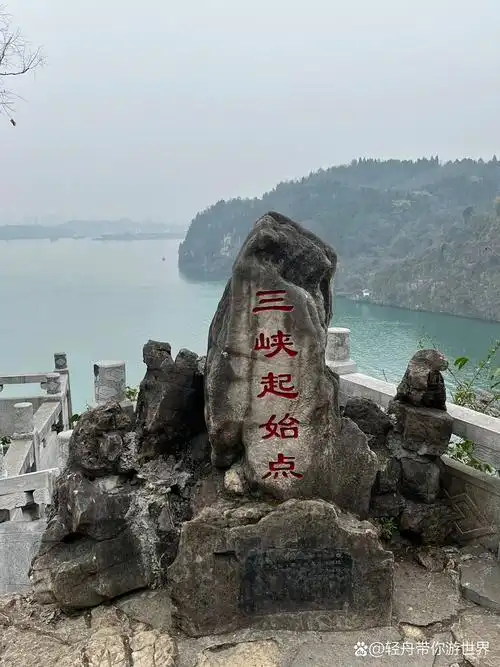 For centuries, Xiling Gorge was the Yangtze's most perilous stretch, a churning corridor of hidden reefs and whirlpools that terrified boatmen as they entered Sichuan from the eastern plains. Imagine the upper Rhine before modern navigation, or the rocky narrows of the Iron Gates on the Danube, where medieval merchants prayed for safe passage. Travelers today sail through the same limestone walls that inspired Tang and Song dynasty poets, including the exiled Bai Juyi, whose verses still echo from cliffs above. The ancient refrain of monkeys crying on both banks, a sound that moved men to tears, was immortalized long before the dam era transformed these waters.
Nature remains the headline act. Sheer canyon walls plunge hundreds of meters toward jade-green water, recalling Norway's deepest fjords or the narrower sections of the Grand Canyon in Arizona. Where once white-water rapids roared past jagged outcrops, the Three Gorges Dam has created a mirror-still reservoir, yet the vertical drama of the peaks persists. Floating past landmarks such as Mingyue Bay and the oddly named Shadow Play Rocks, visitors experience the same "high gorge, calm lake" contrast that defines modern Yangtze cruising, a juxtaposition of wild geology and engineered tranquility unique in the world.
The gorge carries deep cultural resonance. It lies just downstream from Qu Yuan's birthplace, the legendary patriotic poet whose 340 BCE suicide gave rise to China's Dragon Boat Festival. Comparable in stature to Virgil or Ovid in Western tradition, Qu Yuan is honored here every summer with races and rice dumplings that continue a 2,200-year ritual. A short detour leads to Three Visitors Cave, where six literary giants from the Tang and Song dynasties left inscribed verses. For travelers who have traced literary pilgrimages in Europe, such as Petrarch's Fontaine de Vaucluse, this cliff-side gallery offers a parallel journey into classical Chinese letters.
The signature excursion is the "Two Dams and One Gorge" route, a day-long cruise from central Yichang that packs three superlatives into one voyage. Boats first pass through the Gezhouba ship lock, where visitors can feel the vessel rising several stories as water fills the chamber, a sensation akin to a maritime elevator. The ship then threads the scenic core of Xiling Gorge before disembarking at Three Gorges Dam, the world's largest hydroelectric station and an engineering feat that dwarfs even Hoover or Aswan dams. Viewing platforms at Tanzi Ling, the 185-meter overlook, and the closure memorial park explain the scale of the project and its geopolitical significance.
Surrounding attractions extend the experience for longer stays. Three Gorges Folk Village showcases stilted houses and Tujia minority traditions along the riverbank, while Three Visitors Cave, Monkey Stream, and White Horse Cave each offer half-day diversions into karst caves and cliff paths. Happy Valley provides bungee jumping and river rafting for adrenaline seekers. Travelers should book cruises through official operators, avoid the crowded August peak, and bring sun protection and secure footwear. Multi-attraction combo tickets covering Xiling Gorge plus the cave and folk village sites offer the best value, and both the lush summer flood season and the quieter, more contemplative winter low-water months reveal distinct personalities of this remarkable landscape.
For centuries, Xiling Gorge was the Yangtze's most perilous stretch, a churning corridor of hidden reefs and whirlpools that terrified boatmen as they entered Sichuan from the eastern plains. Imagine the upper Rhine before modern navigation, or the rocky narrows of the Iron Gates on the Danube, where medieval merchants prayed for safe passage. Travelers today sail through the same limestone walls that inspired Tang and Song dynasty poets, including the exiled Bai Juyi, whose verses still echo from cliffs above. The ancient refrain of monkeys crying on both banks, a sound that moved men to tears, was immortalized long before the dam era transformed these waters.
Nature remains the headline act. Sheer canyon walls plunge hundreds of meters toward jade-green water, recalling Norway's deepest fjords or the narrower sections of the Grand Canyon in Arizona. Where once white-water rapids roared past jagged outcrops, the Three Gorges Dam has created a mirror-still reservoir, yet the vertical drama of the peaks persists. Floating past landmarks such as Mingyue Bay and the oddly named Shadow Play Rocks, visitors experience the same "high gorge, calm lake" contrast that defines modern Yangtze cruising, a juxtaposition of wild geology and engineered tranquility unique in the world.
The gorge carries deep cultural resonance. It lies just downstream from Qu Yuan's birthplace, the legendary patriotic poet whose 340 BCE suicide gave rise to China's Dragon Boat Festival. Comparable in stature to Virgil or Ovid in Western tradition, Qu Yuan is honored here every summer with races and rice dumplings that continue a 2,200-year ritual. A short detour leads to Three Visitors Cave, where six literary giants from the Tang and Song dynasties left inscribed verses. For travelers who have traced literary pilgrimages in Europe, such as Petrarch's Fontaine de Vaucluse, this cliff-side gallery offers a parallel journey into classical Chinese letters.
The signature excursion is the "Two Dams and One Gorge" route, a day-long cruise from central Yichang that packs three superlatives into one voyage. Boats first pass through the Gezhouba ship lock, where visitors can feel the vessel rising several stories as water fills the chamber, a sensation akin to a maritime elevator. The ship then threads the scenic core of Xiling Gorge before disembarking at Three Gorges Dam, the world's largest hydroelectric station and an engineering feat that dwarfs even Hoover or Aswan dams. Viewing platforms at Tanzi Ling, the 185-meter overlook, and the closure memorial park explain the scale of the project and its geopolitical significance.
Surrounding attractions extend the experience for longer stays. Three Gorges Folk Village showcases stilted houses and Tujia minority traditions along the riverbank, while Three Visitors Cave, Monkey Stream, and White Horse Cave each offer half-day diversions into karst caves and cliff paths. Happy Valley provides bungee jumping and river rafting for adrenaline seekers. Travelers should book cruises through official operators, avoid the crowded August peak, and bring sun protection and secure footwear. Multi-attraction combo tickets covering Xiling Gorge plus the cave and folk village sites offer the best value, and both the lush summer flood season and the quieter, more contemplative winter low-water months reveal distinct personalities of this remarkable landscape.