Water Curtain Cave Scenic Area
⭐ 3.80
Water Curtain Cave Scenic Area, Zhaosu County, Ili Kazakh Autonomous Prefecture, Xinjiang, China
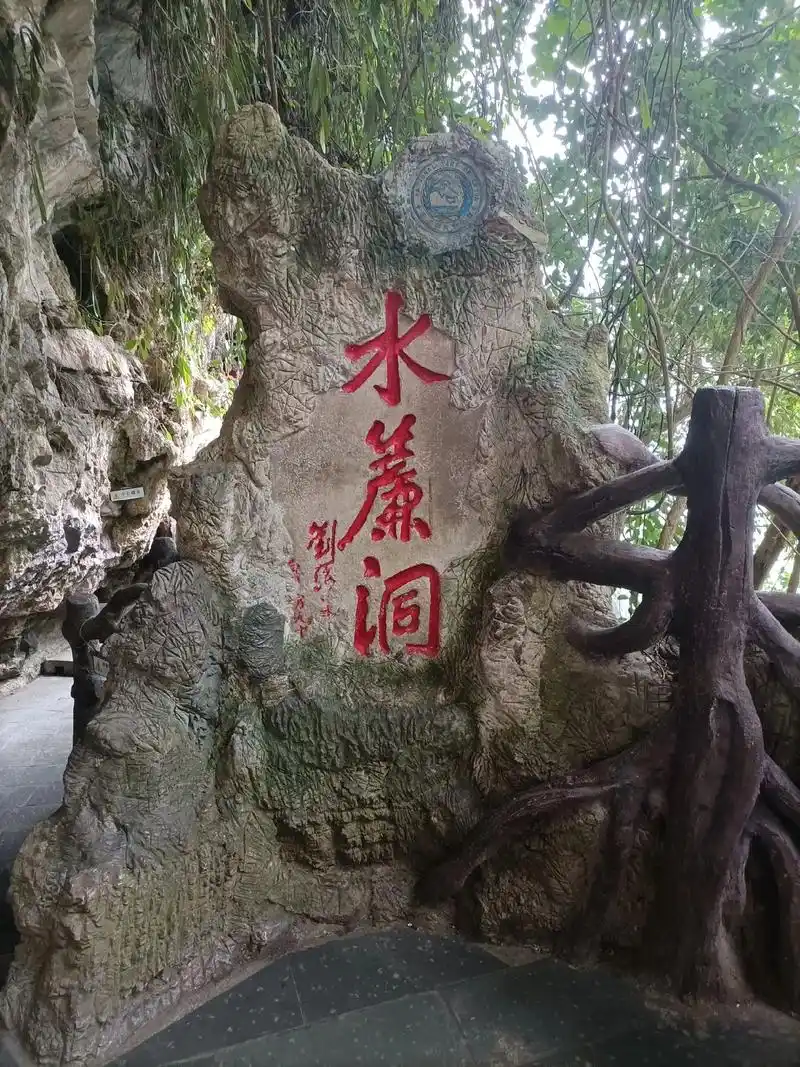 Tucked away in the rugged folds of the Tianshan range, the Water Curtain Cave lies roughly 50 kilometers from Zhaosu County town, in the heart of Yili Kazakh Autonomous Prefecture. Its Kazakh name, "Kuerkudeke," translates evocatively as "the sound of rushing water," bestowed by local herders long before any outsider arrived. The site is a natural limestone cavity hollowed out by millennia of mineral-rich springs, comparable in scale to the smaller grottoes of England's Peak District or the tufa caves of Croatia's Plitvice, though far less trafficked. Visitors should not confuse it with the similar-named, more developed cave in the neighbouring Kuerdening scenic area.
The star feature is a single 20-meter cascade, about two meters wide, that pours into a walkable cavern. This waterfall may seem modest next to Europe's thundering giants like Norway's Vøringsfossen or Switzerland's Staubbach, but what distinguishes it is the immersive experience: you can stand inside the hollow and watch the white curtain of water thunder down just an arm's length away. In summer, the persistent mist catches the high-altitude sunlight and throws ephemeral rainbows across the cave walls, while the air inside stays cool and refreshing—a welcome respite from the often sweltering grasslands above.
When winter grips the Tianshan from December through February, the falls freeze into fantastical shapes resembling the icicle cathedrals of Quebec's Montmorency Falls or the famous ice climbs of Rjukan, Norway. Stalactites and stalagmites of clear ice jut from every surface, turning the cavern into a transient crystal palace. Photographers return year after year to capture both seasonal personalities, and many consider the autumn months—September into early October—the sweet spot, when golden grasslands frame the still-flowing falls.
Culturally, the waterfall sits within the traditional summer pastures of Kazakh nomadic families, whose felt yurts and horse herds have shaped this region for centuries. The area lies close to the legendary Zhaosu "Heavenly Horse" bathing grounds, sea-buckthorn blossom fields, and the gilded Tibetan Buddhist temple of Shengyou, all of which combine well into a single day trip. Like the highland meadows of Mongolia or the alpine pastures of Kyrgyzstan's Jeti-Oguz, the landscape embodies the deep, enduring relationship between Central Asian herders and the rivers they have followed for generations.
Reaching the cave requires a private vehicle or hired car; navigate to Kuerkudeke village and follow unpaved mountain roads for the final stretch. There is no public transport, no entrance fee, no fencing, no toilets, and no food vendors—conditions more akin to backcountry hiking in the Scottish Highlands than to a developed Chinese scenic area. Sturdy non-slip boots, layered clothing, plenty of water, and a packed snack are essential, as the cave floor is slick and the temperature can swing eight degrees between inside and out. Arrive between 9:30 a.m. and 6:00 p.m. for the best light, avoid bringing small children or anyone unsteady on their feet, and allow a half to full day to soak in one of the most quietly spectacular corners of the Tianshan.
Tucked away in the rugged folds of the Tianshan range, the Water Curtain Cave lies roughly 50 kilometers from Zhaosu County town, in the heart of Yili Kazakh Autonomous Prefecture. Its Kazakh name, "Kuerkudeke," translates evocatively as "the sound of rushing water," bestowed by local herders long before any outsider arrived. The site is a natural limestone cavity hollowed out by millennia of mineral-rich springs, comparable in scale to the smaller grottoes of England's Peak District or the tufa caves of Croatia's Plitvice, though far less trafficked. Visitors should not confuse it with the similar-named, more developed cave in the neighbouring Kuerdening scenic area.
The star feature is a single 20-meter cascade, about two meters wide, that pours into a walkable cavern. This waterfall may seem modest next to Europe's thundering giants like Norway's Vøringsfossen or Switzerland's Staubbach, but what distinguishes it is the immersive experience: you can stand inside the hollow and watch the white curtain of water thunder down just an arm's length away. In summer, the persistent mist catches the high-altitude sunlight and throws ephemeral rainbows across the cave walls, while the air inside stays cool and refreshing—a welcome respite from the often sweltering grasslands above.
When winter grips the Tianshan from December through February, the falls freeze into fantastical shapes resembling the icicle cathedrals of Quebec's Montmorency Falls or the famous ice climbs of Rjukan, Norway. Stalactites and stalagmites of clear ice jut from every surface, turning the cavern into a transient crystal palace. Photographers return year after year to capture both seasonal personalities, and many consider the autumn months—September into early October—the sweet spot, when golden grasslands frame the still-flowing falls.
Culturally, the waterfall sits within the traditional summer pastures of Kazakh nomadic families, whose felt yurts and horse herds have shaped this region for centuries. The area lies close to the legendary Zhaosu "Heavenly Horse" bathing grounds, sea-buckthorn blossom fields, and the gilded Tibetan Buddhist temple of Shengyou, all of which combine well into a single day trip. Like the highland meadows of Mongolia or the alpine pastures of Kyrgyzstan's Jeti-Oguz, the landscape embodies the deep, enduring relationship between Central Asian herders and the rivers they have followed for generations.
Reaching the cave requires a private vehicle or hired car; navigate to Kuerkudeke village and follow unpaved mountain roads for the final stretch. There is no public transport, no entrance fee, no fencing, no toilets, and no food vendors—conditions more akin to backcountry hiking in the Scottish Highlands than to a developed Chinese scenic area. Sturdy non-slip boots, layered clothing, plenty of water, and a packed snack are essential, as the cave floor is slick and the temperature can swing eight degrees between inside and out. Arrive between 9:30 a.m. and 6:00 p.m. for the best light, avoid bringing small children or anyone unsteady on their feet, and allow a half to full day to soak in one of the most quietly spectacular corners of the Tianshan.