The Bund

⭐ 5.00

Huangpu Riverside, Huangpu District, Shanghai, China
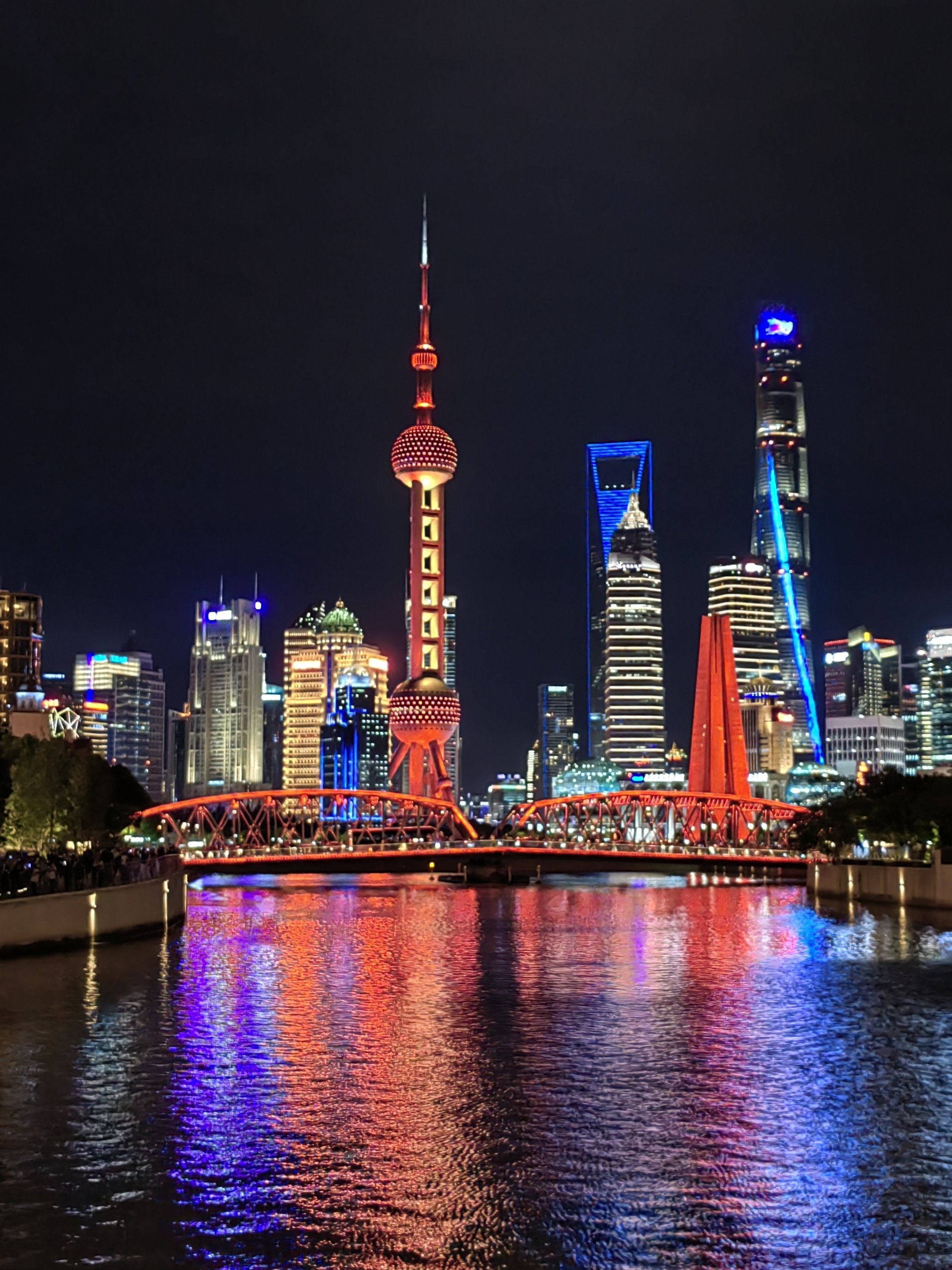
The Bund
The Bund's story begins in the fraught aftermath of the First Opium War (1839–1842), when the Treaty of Nanking forced open Shanghai as one of five treaty ports. By 1844 the British had staked out a riverside strip that would, within a generation, rival London, Hong Kong, and Singapore as the commercial nerve centre of the Far East. For nearly a century the Bund functioned much like the City of London or Wall Street, lined with the trading houses, consulates, and foreign banks that financed Asia's modernization and absorbed its upheavals, from the Taiping Rebellion through two world wars. Today the entire ensemble is a nationally protected heritage zone, its streetscape remarkably intact. A walk along Zhongshan East No. 1 Road is essentially a stroll through European architectural history rebuilt in stone. Gothic Revival pinnacles share the skyline with Venetian-influenced colonnades, French Second Empire mansard roofs, and the soaring Neoclassical dome of the former HSBC Building (1923), once hailed as "the most luxurious building from Suez to Bering Strait." The Customs House (1927) echoes London's Big Ben with its clock tower, while the Art Deco Peace Hotel (originally the Cathay, opened 1929) recalls the grand ocean-liner hotels of 1930s New York. Together these 52 structures offer what the Champs-Élysées or Vienna's Ringstrasse provide: a living textbook of 19th- and early-20th-century design. What truly distinguishes the Bund, however, is its dramatic dialogue across the Huangpu. On the west bank stand a century of colonial-era pomp; on the east, the needle-like Oriental Pearl Tower, the bottle-opener-shaped Shanghai Tower (the world's second-tallest building), and the spiralling Shanghai World Financial Center have redefined the city's silhouette since the 1990s. Few cityscapes in the world compress such a temporal contrast into a single river crossing—London's St Paul's beside the Shard comes closest, though the Bund's gulf feels wider. This cinematic juxtaposition has made it a favourite backdrop for films from Empire of the Sun to Kung Fu Hustle. The Bund is open around the clock and completely free. Take Metro Line 2 or Line 10 to Nanjing East Road Station and walk south; from the north, approach via the iron-trussed Waibaidu Bridge (1876), China's first modern bridge. A waterfront promenade and viewing platforms run the full length, with cafés, public toilets, and seating plentiful. Note that the entire area is a no-drone zone, with strictly enforced restrictions. For the definitive experience, time your visit for the blue hour after sunset. In summer the floodlights switch on around 19:00, so aim to arrive by 17:30 and walk northward, pausing at Chen Yi Plaza as dusk deepens. If you have time, board the humble ¥2 passenger ferry from Jinling East Road Wharf to Dongchang Road in Pudong, or join an evening cruise from Shiliupu Wharf—a weekday departure ensures thinner crowds. The result, whether seen from the embankment or the water, is one of the great urban light shows on earth. In essence, no first visit to China feels complete without an evening spent watching the Bund wake up. It is a place where Shanghai's colonial scars, its mid-century upheavals, and its 21st-century ambitions are simultaneously legible—a single riverbank that captures the entire arc of modern Chinese history in stone and glass.

Traveler reviews

The Bund is that classic riverside spot you've got to hit when in Shanghai. Walking along the waterfront, you get the full view of Lujiazui's modern skyscrapers across the way — Oriental Pearl Tower, Jin Mao Tower, all the big landmarks. Then on the Bund side itself there are tons of gorgeous old European-style buildings, like the ones numbered 1 through 33, many of which used to be old banks. Locals were out doing their morning exercises when I went early, and at night the whole thing lights up — ser...
⭐ 5 · Skyler Wren Expand
Standing on the Bund looking across the river at Lujiazui's skyline piercing the sky is something else — the Oriental Pearl Tower's glow and Shanghai Tower stretching up really capture modern Shanghai's energy. Around dusk when the lights first came on, with the river breeze carrying the sound of ship horns, watching the century-old buildings' warm lights smash into the neo...
⭐ 5 · Adrian Vale Expand