Xizhou Ancient Town
⭐ 4.30
Xizhou Ancient Town, Xizhou Town, Dali City, Dali Bai Autonomous Prefecture, Yunnan Province, China
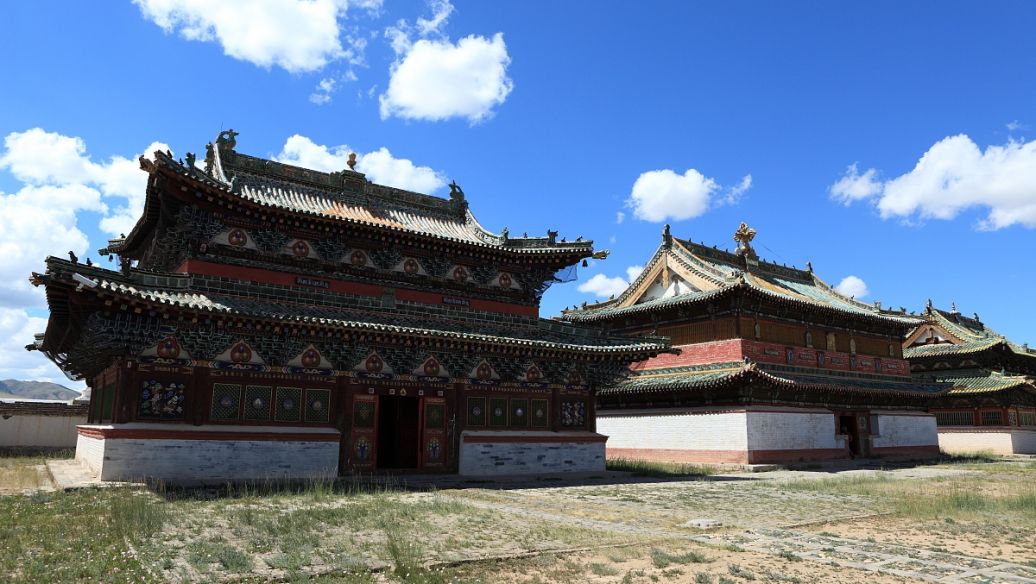 Xizhou's story stretches back to the Sui and Tang dynasties, when it was known as the walled city of Dali—a contemporary of Europe's early medieval trading posts like Bruges or Lübeck. By the Ming and Qing eras, four powerful merchant clans surnamed Yan, Dong, Yin, and Yang had turned it into a bustling Tea Horse Road entrepôt, funneling Yunnan tea, salt, and silk toward Tibet and beyond. Cultural luminaries including novelist Lao She and painter Xu Beihong once lived and taught here, leaving a literary footprint as evocative as Thomas Hardy's Wessex or Tolstoy's Yasnaya Polyana.
The town's architectural crown jewel is its Bai residential layout, with configurations like the "Three Lanes and One Screen Wall" and "Four Courtyards Around Five Skylights" that rival the geometric harmony of a Florentine palazzo or a Kyoto machiya. The Yan Family Mansion stands out as a striking East-meets-West residence, its carved timber and polychrome murals marrying Chinese craftsmanship with subtle Western influences. Meanwhile, the butter-yellow Corner Tower and the inscription archway at Sifang Street have become Xizhou's most photographed icons, often compared to Provençal villages for their sun-washed charm.
Beyond sightseeing, Xizhou invites true participation. In nearby Zhoucheng Village and licensed workshops within the old town, visitors can craft their own indigo-dyed scarves using centuries-old resist techniques. The Bai "Three-Course Tea" ceremony—a bitter, sweet, and回味 journey mirroring life's stages—paired with freshly baked baba, sweet or savory, makes for an unforgettable tasting. Fans of the hit drama *Meet Yourself* will recognize the atmospheric settings of Jinglu Villa and Tiangong Workshop, where master carvers and painters still practice their intangible heritage crafts.
Timing transforms the experience. August paints the surrounding fields with rolling green rice waves framed by Cangshan and Erhai—a vista reminiscent of Tuscany's Val d'Orcia. April and May bring golden rapeseed blossoms, while June offers amber wheat fields that glow at sunset. Aim for early morning or late afternoon to dodge both the midday sun and the tour bus crowds. The old streets are free to wander, though individual mansions like the Yan Family compound charge a modest entry fee.
A word of caution: the main drag has grown commercialized, with souvenir shops repeating the same inventory. Venture down the back alleys for a more authentic slice of village life. Stay strictly on designated paths—farmers' crops are protected, and trampling them is both illegal and culturally disrespectful. During the Torch Festival in late June, follow local marshals for fire safety. With these tips in mind, Xizhou rewards curious travelers with one of Yunnan's most soulful and photogenic escapes.
Xizhou's story stretches back to the Sui and Tang dynasties, when it was known as the walled city of Dali—a contemporary of Europe's early medieval trading posts like Bruges or Lübeck. By the Ming and Qing eras, four powerful merchant clans surnamed Yan, Dong, Yin, and Yang had turned it into a bustling Tea Horse Road entrepôt, funneling Yunnan tea, salt, and silk toward Tibet and beyond. Cultural luminaries including novelist Lao She and painter Xu Beihong once lived and taught here, leaving a literary footprint as evocative as Thomas Hardy's Wessex or Tolstoy's Yasnaya Polyana.
The town's architectural crown jewel is its Bai residential layout, with configurations like the "Three Lanes and One Screen Wall" and "Four Courtyards Around Five Skylights" that rival the geometric harmony of a Florentine palazzo or a Kyoto machiya. The Yan Family Mansion stands out as a striking East-meets-West residence, its carved timber and polychrome murals marrying Chinese craftsmanship with subtle Western influences. Meanwhile, the butter-yellow Corner Tower and the inscription archway at Sifang Street have become Xizhou's most photographed icons, often compared to Provençal villages for their sun-washed charm.
Beyond sightseeing, Xizhou invites true participation. In nearby Zhoucheng Village and licensed workshops within the old town, visitors can craft their own indigo-dyed scarves using centuries-old resist techniques. The Bai "Three-Course Tea" ceremony—a bitter, sweet, and回味 journey mirroring life's stages—paired with freshly baked baba, sweet or savory, makes for an unforgettable tasting. Fans of the hit drama *Meet Yourself* will recognize the atmospheric settings of Jinglu Villa and Tiangong Workshop, where master carvers and painters still practice their intangible heritage crafts.
Timing transforms the experience. August paints the surrounding fields with rolling green rice waves framed by Cangshan and Erhai—a vista reminiscent of Tuscany's Val d'Orcia. April and May bring golden rapeseed blossoms, while June offers amber wheat fields that glow at sunset. Aim for early morning or late afternoon to dodge both the midday sun and the tour bus crowds. The old streets are free to wander, though individual mansions like the Yan Family compound charge a modest entry fee.
A word of caution: the main drag has grown commercialized, with souvenir shops repeating the same inventory. Venture down the back alleys for a more authentic slice of village life. Stay strictly on designated paths—farmers' crops are protected, and trampling them is both illegal and culturally disrespectful. During the Torch Festival in late June, follow local marshals for fire safety. With these tips in mind, Xizhou rewards curious travelers with one of Yunnan's most soulful and photogenic escapes.