Lingquan Temple
⭐ 0.00
Hunyuan County, Datong City, Shanxi Province, China
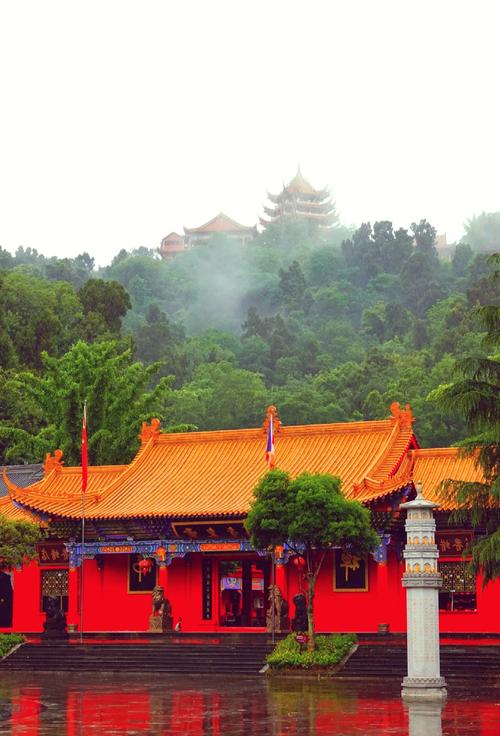 **Name Origins and Current Status**: Across Shanxi Province, several ancient temples bear the name "Lingquan," including the Tang-era Tusheng Temple in Xinzhou and the nationally protected Nanshan Temple in Liulin, but none of these lie within Datong's municipal boundaries. The specific entry referencing "Lingquan Temple" along Xingwang Road in Yungang District lacks the core operational details, heritage designation, and visitor data that characterize legitimate Chinese cultural sites. Western travelers accustomed to relying on official tourism boards in Europe should treat this listing as unverified until corroborated by municipal authorities.
**Likely Confusion with Other Sites**: Datong's genuine Buddhist cultural treasures far outshine any ambiguous listing. The Yungang Grottoes, a UNESCO World Heritage Site since 2001 and rated 5A by China's tourism authority, lie roughly 17 kilometers from the area in question. Comparable in ambition to India's Ajanta Caves or Turkey's Cappadocia rock-cut monasteries, Yungang represents one of the three great Buddhist cave art complexes of ancient China, alongside Dunhuang and Longmen. Visitors familiar with Ravenna's Byzantine mosaics will find striking parallels in Yungang's syncretic fusion of Central Asian, Indian, and emerging Chinese aesthetics.
**Huayan Temple and Shanhua Temple**: Within Datong's old city, Huayan Temple (4A rated) preserves magnificent Liao-dynasty architecture from the 11th and 12th centuries, including the elegant Bhagavatsena Hall and the climbable Huayan Pagoda, reminiscent in spirit of Romanesque cathedrals in their geometric clarity and structural ambition. Nearby Shanhua Temple, founded during the Northern Wei dynasty in the 5th century when Datong served as the imperial capital Pingcheng, offers equally atmospheric Ming-era restorations. Both sites anchor the historic urban core and reward visitors seeking depth beyond the grottoes.
**Practical Visit Recommendations**: Travelers determined to investigate the Xingwang Road area for academic or exploratory purposes should first contact the Datong Municipal Bureau of Culture and Tourism to confirm whether any undocumented heritage site actually exists at that location. Blindly navigating rural outskirts based solely on an unverified online listing risks wasted hours, much like traveling to a rumored castle in the Scottish Highlands only to discover an empty field. Telephone verification is strongly advised before committing travel time.
**Recommended Alternative Itinerary**: For those planning a focused day exploring Datong's Buddhist legacy, begin at Yungang Grottoes (admission approximately 120 RMB, advance booking through official channels required), allowing three to four hours for the 252 caves and 51,000 statues carved between 460 and 525 CE. Return to the city center for Huayan Temple (approximately 40 RMB), where the Bhagavatsena Hall's wooden gallery and the reconstructed pagoda command attention. Both sites enjoy convenient public transport, clear signage in English, and well-maintained visitor facilities, forming a coherent and rewarding day trip.
**Final Advisory**: When planning any Datong itinerary, consult the official A-grade scenic area registry published by Chinese cultural tourism authorities as your primary reference. The "Lingquan Temple" entry, as currently documented, carries a high risk of futile travel and offers no independently verified visitor value. Cautious travelers will prioritize the established monuments, where centuries of documented history meet reliable modern infrastructure, ensuring that every hour spent in this remarkable northern Chinese city delivers genuine cultural reward.
**Name Origins and Current Status**: Across Shanxi Province, several ancient temples bear the name "Lingquan," including the Tang-era Tusheng Temple in Xinzhou and the nationally protected Nanshan Temple in Liulin, but none of these lie within Datong's municipal boundaries. The specific entry referencing "Lingquan Temple" along Xingwang Road in Yungang District lacks the core operational details, heritage designation, and visitor data that characterize legitimate Chinese cultural sites. Western travelers accustomed to relying on official tourism boards in Europe should treat this listing as unverified until corroborated by municipal authorities.
**Likely Confusion with Other Sites**: Datong's genuine Buddhist cultural treasures far outshine any ambiguous listing. The Yungang Grottoes, a UNESCO World Heritage Site since 2001 and rated 5A by China's tourism authority, lie roughly 17 kilometers from the area in question. Comparable in ambition to India's Ajanta Caves or Turkey's Cappadocia rock-cut monasteries, Yungang represents one of the three great Buddhist cave art complexes of ancient China, alongside Dunhuang and Longmen. Visitors familiar with Ravenna's Byzantine mosaics will find striking parallels in Yungang's syncretic fusion of Central Asian, Indian, and emerging Chinese aesthetics.
**Huayan Temple and Shanhua Temple**: Within Datong's old city, Huayan Temple (4A rated) preserves magnificent Liao-dynasty architecture from the 11th and 12th centuries, including the elegant Bhagavatsena Hall and the climbable Huayan Pagoda, reminiscent in spirit of Romanesque cathedrals in their geometric clarity and structural ambition. Nearby Shanhua Temple, founded during the Northern Wei dynasty in the 5th century when Datong served as the imperial capital Pingcheng, offers equally atmospheric Ming-era restorations. Both sites anchor the historic urban core and reward visitors seeking depth beyond the grottoes.
**Practical Visit Recommendations**: Travelers determined to investigate the Xingwang Road area for academic or exploratory purposes should first contact the Datong Municipal Bureau of Culture and Tourism to confirm whether any undocumented heritage site actually exists at that location. Blindly navigating rural outskirts based solely on an unverified online listing risks wasted hours, much like traveling to a rumored castle in the Scottish Highlands only to discover an empty field. Telephone verification is strongly advised before committing travel time.
**Recommended Alternative Itinerary**: For those planning a focused day exploring Datong's Buddhist legacy, begin at Yungang Grottoes (admission approximately 120 RMB, advance booking through official channels required), allowing three to four hours for the 252 caves and 51,000 statues carved between 460 and 525 CE. Return to the city center for Huayan Temple (approximately 40 RMB), where the Bhagavatsena Hall's wooden gallery and the reconstructed pagoda command attention. Both sites enjoy convenient public transport, clear signage in English, and well-maintained visitor facilities, forming a coherent and rewarding day trip.
**Final Advisory**: When planning any Datong itinerary, consult the official A-grade scenic area registry published by Chinese cultural tourism authorities as your primary reference. The "Lingquan Temple" entry, as currently documented, carries a high risk of futile travel and offers no independently verified visitor value. Cautious travelers will prioritize the established monuments, where centuries of documented history meet reliable modern infrastructure, ensuring that every hour spent in this remarkable northern Chinese city delivers genuine cultural reward.