Shahukou Pass
⭐ 3.20
Shahukou Scenic Area, Yungang District, Datong City, Shanxi Province, China
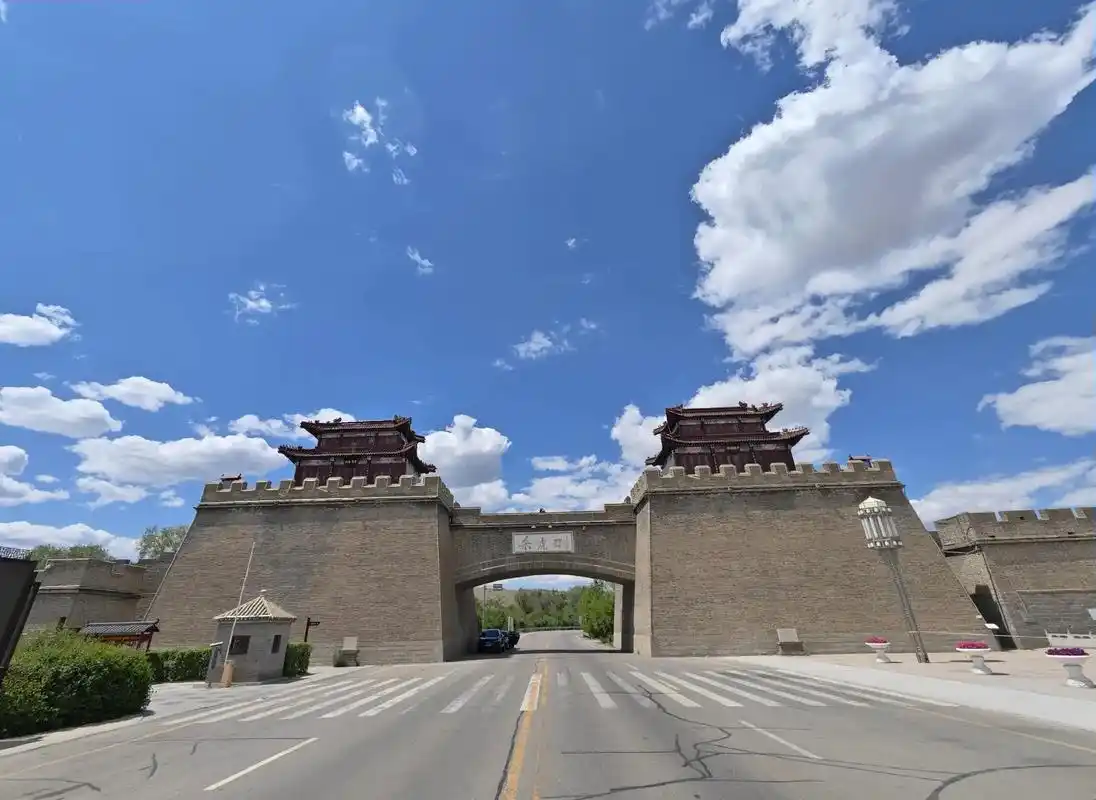 Shahukou occupies one of China's most strategic choke points—the narrow corridor where the agricultural heartland of the Central Plains meets the boundless Mongolian steppe. Think of it as the Chinese counterpart to the Cilician Gates of ancient Anatolia or the storied Khyber Pass on the modern Pakistan-Afghanistan frontier: a place where empires collided and caravans converged. During the Ming Dynasty, particularly from 1544 onward, massive fortress construction transformed the pass into a hardened military bulwark paired with nearby Youwei Fortress. By the Qing era, military confrontation gave way to commerce, and Shahukou became the sole official channel through which Shanxi merchants entered Mongolia.
The site's defining feature is its unusual "eye-shaped" layout—two fortified enclosures, Shahubu and Pingjibu, joined by a central connecting wall to form a single defensive complex. This contrasts with the singular silhouette of castles like Germany's Burg Eltz, but echoes the paired-citadel logic found in the outer barbicans of Carcassonne. The Ming-era Guangyi Bridge, a graceful stone arch dating to the Yongle reign in the early 1400s, still carries pedestrians across the Cangtou River. Ancient post roads preserve deep cart ruts and hoofprints, while restored rammed-earth and brick-clad ramparts retain the melancholy outline of a true frontier outpost.
Beyond its martial past, Shahukou embodies one of China's great civilizational exchanges—the meeting point of Han Chinese farmers and Mongolian nomads. The phrase "Walking to the Western Pass" entered folk song and opera, capturing the bittersweet exodus of countless merchants and laborers who left home seeking fortune on the grasslands. This migration wave rivals the great European colonial expansions of the 18th and 19th centuries in its demographic and economic impact, shaping everything from regional cuisine to financial networks across northern China. The site remains a vivid classroom for understanding both military frontier life and the dawn of modern Sino-Mongolian commerce.
Entry to the scenic area is free, though a nominal fee of around 10 yuan applies for climbing certain wall sections. Opening hours typically run 8:00–12:00 and 14:30–18:00, with the museum and indoor exhibits closed during the midday break. Bring your own water and snacks—nearby amenities are sparse. Public transport is limited due to the remote location, so renting a car or arranging a private driver is strongly recommended; searching GPS for "Shahukou Great Wall Scenic Area" will get you directly to the gates.
Best visited between April and October, when summers are pleasantly cool and autumn brings crisp skies and golden light ideal for photography, Shahukou rewards travelers who appreciate off-the-beaten-path history. A full walking tour of the pass, bridge, and citadels takes two to three hours, easily combined with the Youwei County Museum for deeper context. Few places in China offer such an unfiltered encounter with the raw poetry of the frontier—where beacon smoke once rose, camel caravans once wound westward, and the Great Wall still whispers of distant battles and longer journeys.
Shahukou occupies one of China's most strategic choke points—the narrow corridor where the agricultural heartland of the Central Plains meets the boundless Mongolian steppe. Think of it as the Chinese counterpart to the Cilician Gates of ancient Anatolia or the storied Khyber Pass on the modern Pakistan-Afghanistan frontier: a place where empires collided and caravans converged. During the Ming Dynasty, particularly from 1544 onward, massive fortress construction transformed the pass into a hardened military bulwark paired with nearby Youwei Fortress. By the Qing era, military confrontation gave way to commerce, and Shahukou became the sole official channel through which Shanxi merchants entered Mongolia.
The site's defining feature is its unusual "eye-shaped" layout—two fortified enclosures, Shahubu and Pingjibu, joined by a central connecting wall to form a single defensive complex. This contrasts with the singular silhouette of castles like Germany's Burg Eltz, but echoes the paired-citadel logic found in the outer barbicans of Carcassonne. The Ming-era Guangyi Bridge, a graceful stone arch dating to the Yongle reign in the early 1400s, still carries pedestrians across the Cangtou River. Ancient post roads preserve deep cart ruts and hoofprints, while restored rammed-earth and brick-clad ramparts retain the melancholy outline of a true frontier outpost.
Beyond its martial past, Shahukou embodies one of China's great civilizational exchanges—the meeting point of Han Chinese farmers and Mongolian nomads. The phrase "Walking to the Western Pass" entered folk song and opera, capturing the bittersweet exodus of countless merchants and laborers who left home seeking fortune on the grasslands. This migration wave rivals the great European colonial expansions of the 18th and 19th centuries in its demographic and economic impact, shaping everything from regional cuisine to financial networks across northern China. The site remains a vivid classroom for understanding both military frontier life and the dawn of modern Sino-Mongolian commerce.
Entry to the scenic area is free, though a nominal fee of around 10 yuan applies for climbing certain wall sections. Opening hours typically run 8:00–12:00 and 14:30–18:00, with the museum and indoor exhibits closed during the midday break. Bring your own water and snacks—nearby amenities are sparse. Public transport is limited due to the remote location, so renting a car or arranging a private driver is strongly recommended; searching GPS for "Shahukou Great Wall Scenic Area" will get you directly to the gates.
Best visited between April and October, when summers are pleasantly cool and autumn brings crisp skies and golden light ideal for photography, Shahukou rewards travelers who appreciate off-the-beaten-path history. A full walking tour of the pass, bridge, and citadels takes two to three hours, easily combined with the Youwei County Museum for deeper context. Few places in China offer such an unfiltered encounter with the raw poetry of the frontier—where beacon smoke once rose, camel caravans once wound westward, and the Great Wall still whispers of distant battles and longer journeys.