Pingtung Cultural Center
⭐ 3.50
Kenting National Park Management Office, Pingtung County, Taiwan Province
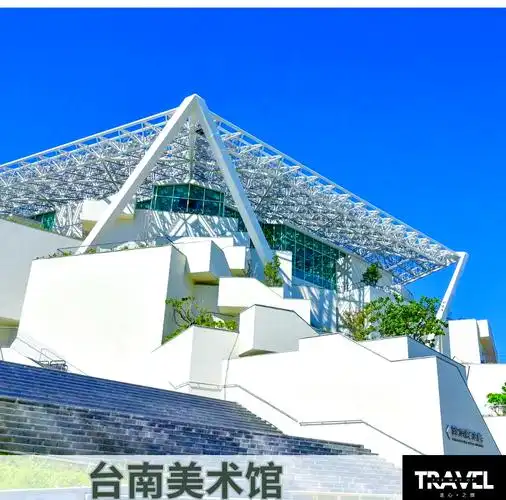 Pingtung Cultural Center emerged during Taiwan's late-twentieth-century push to democratize and decentralize the arts, much as the Barbican Centre rose in 1980s London or Lincoln Center transformed postwar New York. Part of a wave of regional cultural facilities built across the island, it embodies a similar belief: that art should belong to citizens, not just to capital cities. Since opening, the center has nurtured local talent and staged exhibitions that explore the layered identities of southern Taiwan, where Han Chinese settlers, Hakka communities, and indigenous Paiwan and Rukai peoples have long shared the landscape.
Architecturally, the complex reflects the practical, open ethos of late-1990s public design—comparable to community arts centers such as Toronto's Harbourfront Centre. Clean geometric volumes house flexible exhibition galleries and a mid-sized performance hall, while broad tiled plazas and shaded walkways invite visitors to linger. The outdoor spaces recall Mediterranean civic squares, offering respite from Pingtung's subtropical sun and a natural stage for festivals and weekend markets.
Culturally, the center plays a role similar to a regional museum or a small national theatre, acting as a meeting point where heritage and contemporary creativity converge. Programs often spotlight local artists whose works engage themes of migration, agriculture, indigenous identity, and the legacy of the historic Sugar Railway that once stitched the county together. For travelers, this means encountering an artistic voice distinctly different from the cosmopolitan scenes of Taipei.
Practical planning is straightforward. The center typically opens Tuesday through Sunday, with Mondays reserved for maintenance; theatre schedules vary by performance. From anywhere in Taiwan, travelers can take a Taiwan Railways train to Pingtung Station, then transfer to a city bus or short taxi ride. Checking the Pingtung County Cultural Affairs website before departure is wise for current exhibition details, ticketing, and any entry requirements.
Plan a two-to-three-hour visit, beginning with the main galleries before drifting into the plazas. The center pairs naturally with the neighboring Pingtung Park, the elegant former Japanese-era administrative buildings, and Victory Star Village, a cluster of repurposed military dependents' housing now filled with cafés, craft shops, and indie galleries. Together, they form a rewarding half-day cultural loop well off the typical Taipei-Kaohsiung tourist trail.
This is why the Pingtung Cultural Center deserves a stop: it offers something rare in modern Taiwan tourism, an unpolished, lived-in cultural hub where visitors can experience contemporary southern Taiwanese creativity on its own terms rather than as a packaged attraction.
Pingtung Cultural Center emerged during Taiwan's late-twentieth-century push to democratize and decentralize the arts, much as the Barbican Centre rose in 1980s London or Lincoln Center transformed postwar New York. Part of a wave of regional cultural facilities built across the island, it embodies a similar belief: that art should belong to citizens, not just to capital cities. Since opening, the center has nurtured local talent and staged exhibitions that explore the layered identities of southern Taiwan, where Han Chinese settlers, Hakka communities, and indigenous Paiwan and Rukai peoples have long shared the landscape.
Architecturally, the complex reflects the practical, open ethos of late-1990s public design—comparable to community arts centers such as Toronto's Harbourfront Centre. Clean geometric volumes house flexible exhibition galleries and a mid-sized performance hall, while broad tiled plazas and shaded walkways invite visitors to linger. The outdoor spaces recall Mediterranean civic squares, offering respite from Pingtung's subtropical sun and a natural stage for festivals and weekend markets.
Culturally, the center plays a role similar to a regional museum or a small national theatre, acting as a meeting point where heritage and contemporary creativity converge. Programs often spotlight local artists whose works engage themes of migration, agriculture, indigenous identity, and the legacy of the historic Sugar Railway that once stitched the county together. For travelers, this means encountering an artistic voice distinctly different from the cosmopolitan scenes of Taipei.
Practical planning is straightforward. The center typically opens Tuesday through Sunday, with Mondays reserved for maintenance; theatre schedules vary by performance. From anywhere in Taiwan, travelers can take a Taiwan Railways train to Pingtung Station, then transfer to a city bus or short taxi ride. Checking the Pingtung County Cultural Affairs website before departure is wise for current exhibition details, ticketing, and any entry requirements.
Plan a two-to-three-hour visit, beginning with the main galleries before drifting into the plazas. The center pairs naturally with the neighboring Pingtung Park, the elegant former Japanese-era administrative buildings, and Victory Star Village, a cluster of repurposed military dependents' housing now filled with cafés, craft shops, and indie galleries. Together, they form a rewarding half-day cultural loop well off the typical Taipei-Kaohsiung tourist trail.
This is why the Pingtung Cultural Center deserves a stop: it offers something rare in modern Taiwan tourism, an unpolished, lived-in cultural hub where visitors can experience contemporary southern Taiwanese creativity on its own terms rather than as a packaged attraction.