Hongqi Gully
⭐ 4.30
Hongqi Gully, Yuanzhou District, Guyuan City, Ningxia Hui Autonomous Region, China
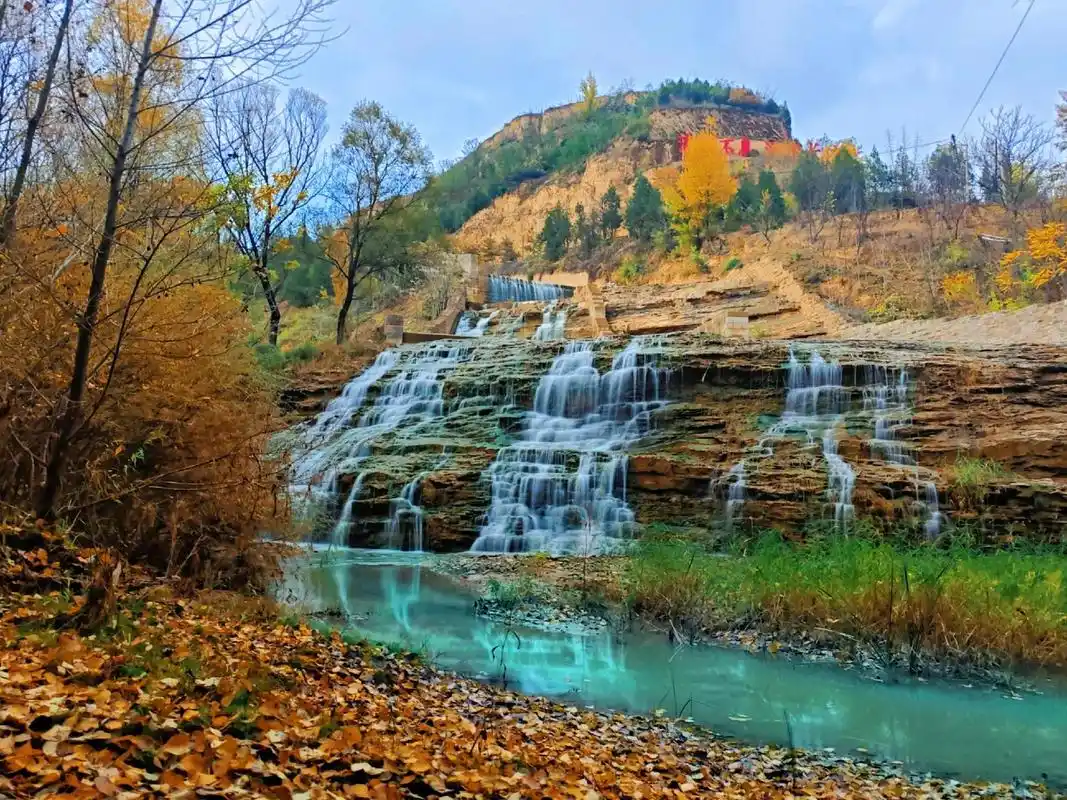 Southern Ningxia occupies a strategic position along the ancient routes that once linked imperial China to the Central Asian branches of the Silk Road. Guyuan in particular served as a vital waypoint where caravans, soldiers, and Buddhist monks crossed between the Yellow River basin and the highlands of the Hexi Corridor, with the Xumi Mountain grottoes nearby still preserving remarkable cave temples carved into dramatic cliffsides. Today, Xiji County retains the agricultural rhythms and Hui Muslim culinary traditions that have shaped this region for centuries. Hongqi Gou builds on this layered heritage, transforming a natural mountain gully into a contemporary leisure destination where visitors can reconnect with the agrarian landscape that sustained Silk Road travelers for millennia.
The site occupies a long, green valley typical of the Loess Plateau's dramatically eroded terrain, where seasonal streams have carved gentle ravines through ochre-colored hillsides. Unlike the manicured vineyards of Tuscany or the lavender fields of Provence, Hongqi Gou presents a rawer, more rustic version of countryside charm, with orchards and vegetable plots sprawling across the valley floor. The water park's bright slides and splash zones contrast vividly with the earthy palette of the surrounding farmland, creating a cheerful juxtaposition of pastoral tradition and modern recreation. Visitors accustomed to Western agriturismo will find a Chinese equivalent that trades pasta and Chianti for hand-pulled noodles and sweet plum drinks.
The water park forms the heart of the valley's appeal, especially during Ningxia's hot, dry summers when temperatures regularly climb above 30°C (86°F). Designed for visitors of all ages, the park features slides, wading pools, and shaded rest areas that provide welcome relief from the arid plateau climate. Compared to the sprawling water resorts of Spain's Costa del Sol or Florida's theme parks, this is a far more compact and budget-conscious experience, with the cheerful bustle of Chinese holiday crowds replacing international tourists. Lifeguards are on duty, and lockers and changing rooms are available on-site for a small fee.
Adjacent orchards offer hands-on encounters with regional produce, including crisp mountain fruits and seasonal vegetables grown in the area's mineral-rich loess soil. The pick-your-own tradition echoes the agriturismo model of rural Italy or the farm stands of New England, allowing visitors to pluck ripe fruit straight from the branch or vine. It is a particularly engaging experience for children, who may rarely see food growing in its original environment, and offers a tangible link to the agricultural heritage that has defined Xiji County for generations. Visitors can snack on the spot or purchase baskets to take home at very reasonable prices.
Hongqi Gou operates without an entrance fee and requires no advance reservation, though individual attractions within the valley charge modest fees. The best time to visit is from June through early September, when both the water park is fully operational and orchards yield their summer harvests. Bring high-SPF sunscreen, hats, swimwear, towels, and a change of clothes—summers are intensely sunny at this elevation. Public transport to Xiji County is limited, so renting a car with a driver from Guyuan or joining an organized tour is strongly recommended for international visitors unfamiliar with the area.
For travelers venturing beyond China's well-trodden eastern circuits, Hongqi Gou offers an unhurried glimpse into the everyday rhythms of plateau life, where Hui Muslim cuisine, terraced fields, and family-run farms continue centuries-old traditions. Pair a visit with a stop at the Buddhist grottoes of Xumi Mountain—comparable in age to many medieval European pilgrimage sites—to deepen an exploration of Ningxia's layered religious and cultural history. Otherwise, simply spend a leisurely day tasting local dishes, splashing in the water park, and soaking in the quiet beauty of a countryside that most Western travelers never see.
Southern Ningxia occupies a strategic position along the ancient routes that once linked imperial China to the Central Asian branches of the Silk Road. Guyuan in particular served as a vital waypoint where caravans, soldiers, and Buddhist monks crossed between the Yellow River basin and the highlands of the Hexi Corridor, with the Xumi Mountain grottoes nearby still preserving remarkable cave temples carved into dramatic cliffsides. Today, Xiji County retains the agricultural rhythms and Hui Muslim culinary traditions that have shaped this region for centuries. Hongqi Gou builds on this layered heritage, transforming a natural mountain gully into a contemporary leisure destination where visitors can reconnect with the agrarian landscape that sustained Silk Road travelers for millennia.
The site occupies a long, green valley typical of the Loess Plateau's dramatically eroded terrain, where seasonal streams have carved gentle ravines through ochre-colored hillsides. Unlike the manicured vineyards of Tuscany or the lavender fields of Provence, Hongqi Gou presents a rawer, more rustic version of countryside charm, with orchards and vegetable plots sprawling across the valley floor. The water park's bright slides and splash zones contrast vividly with the earthy palette of the surrounding farmland, creating a cheerful juxtaposition of pastoral tradition and modern recreation. Visitors accustomed to Western agriturismo will find a Chinese equivalent that trades pasta and Chianti for hand-pulled noodles and sweet plum drinks.
The water park forms the heart of the valley's appeal, especially during Ningxia's hot, dry summers when temperatures regularly climb above 30°C (86°F). Designed for visitors of all ages, the park features slides, wading pools, and shaded rest areas that provide welcome relief from the arid plateau climate. Compared to the sprawling water resorts of Spain's Costa del Sol or Florida's theme parks, this is a far more compact and budget-conscious experience, with the cheerful bustle of Chinese holiday crowds replacing international tourists. Lifeguards are on duty, and lockers and changing rooms are available on-site for a small fee.
Adjacent orchards offer hands-on encounters with regional produce, including crisp mountain fruits and seasonal vegetables grown in the area's mineral-rich loess soil. The pick-your-own tradition echoes the agriturismo model of rural Italy or the farm stands of New England, allowing visitors to pluck ripe fruit straight from the branch or vine. It is a particularly engaging experience for children, who may rarely see food growing in its original environment, and offers a tangible link to the agricultural heritage that has defined Xiji County for generations. Visitors can snack on the spot or purchase baskets to take home at very reasonable prices.
Hongqi Gou operates without an entrance fee and requires no advance reservation, though individual attractions within the valley charge modest fees. The best time to visit is from June through early September, when both the water park is fully operational and orchards yield their summer harvests. Bring high-SPF sunscreen, hats, swimwear, towels, and a change of clothes—summers are intensely sunny at this elevation. Public transport to Xiji County is limited, so renting a car with a driver from Guyuan or joining an organized tour is strongly recommended for international visitors unfamiliar with the area.
For travelers venturing beyond China's well-trodden eastern circuits, Hongqi Gou offers an unhurried glimpse into the everyday rhythms of plateau life, where Hui Muslim cuisine, terraced fields, and family-run farms continue centuries-old traditions. Pair a visit with a stop at the Buddhist grottoes of Xumi Mountain—comparable in age to many medieval European pilgrimage sites—to deepen an exploration of Ningxia's layered religious and cultural history. Otherwise, simply spend a leisurely day tasting local dishes, splashing in the water park, and soaking in the quiet beauty of a countryside that most Western travelers never see.