Liupan Mountain
⭐ 4.60
Liupan Mountain National Forest Park, Guyuan City, Ningxia Hui Autonomous Region, China
 Rising above the Loess Plateau on the border of Ningxia and Gansu, Liupan Mountain was the last major range the Red Army crossed during the 1934–35 Long March, a strategic retreat often compared in scale and consequence to Xenophon's March of the Ten Thousand or Hannibal's crossing of the Alps. Here Mao Zedong composed his celebrated verse "Not reaching the Great Wall is not a true man," echoing a Tang-dynasty poem and invoking China's Great Wall as a symbol of perseverance much as Hadrian's Wall marks the Roman frontier. In December 2024 the Long March Tourism Zone was designated a National 5A Site, China's only Red-themed scenic area at this elite ranking.
The centerpiece is the Long March Memorial Hall, perched at roughly 2,746 meters — among the highest-elevation revolutionary museums in China. Its galleries display artifacts, documents, and weapons chronicling the Red Army's campaign through the northwest. Outside, a memorial pavilion, sculptural ensembles, and the open-air performance "The Immortal Long March" create an immersive atmosphere along the Red Army Trail. Eighteen scaled-down landmarks along the 2.5 km path recreate pivotal moments of the march, transforming an ordinary hike into a living history lesson.
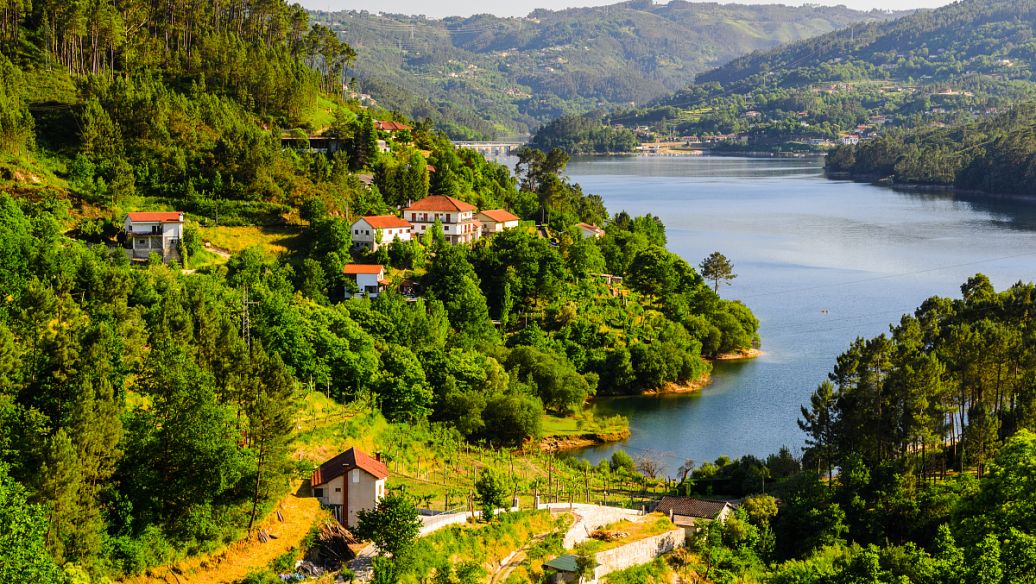
Surrounding the historic zone, Liupan Mountain National Forest Park shelters forests covering 64.5 to 80 percent of its slopes, earning it the nickname "Green Pearl of the Loess Plateau." Xiaonanchuan Valley, often called the Northwest's Little Jiuzhaigou after Sichuan's UNESCO-listed valley, offers gentle boardwalks threading alongside crystalline streams. Higher up, Liangdian Gorge is steeped in legend as a summer retreat of Genghis Khan — a reminder that these same ridges once bordered the Mongol Empire stretching from Korea to Hungary. Mid-summer negative-ion readings rank among the highest in arid northwestern China.
Beyond its revolutionary pedigree, Liupan Mountain embodies a rich tapestry of ethnic and folk traditions. The surrounding region is home to vibrant Hui Muslim communities whose preserved customs, handicrafts, and cuisine enrich any visit. Auxiliary cultural sites such as Laolongtan (Old Dragon Pool) and the Hongya Old Alleys introduce travelers to centuries of caravan trade along the ancient Silk Road corridors. Together these layers make the mountain not only a patriotic pilgrimage but also a crossroads of Chinese frontier history.
Entry to the Long March Tourism Zone is generally free, though certain experiences carry a small fee; the Forest Park ticket starts at around 65 RMB, with summer discounts often available for student ID holders. The two sites lie in Longde and Jingyuan counties, 30–50 km apart, so plan at least two days. Shuttle buses and walking trails are both available, but some elevated boardwalks lack shade — sunscreen and a hat are essential. Temperatures swing sharply between day and night even in July, so pack a windproof layer.
For Western travelers, Liupan Mountain delivers something almost impossible to find elsewhere in arid northwestern China: cool mountain air, dense forests, and a place where twentieth-century history meets prehistoric landscapes. Families can splash in Xiaonanchuan's streams, hikers can trace the footsteps of both Mao and Genghis Khan, and food lovers can round off the day with Ningxia's famous hand-grabbed lamb and medicinal herb chicken. A journey here blends hard history with high-altitude serenity — a combination few sites on earth can match.
Rising above the Loess Plateau on the border of Ningxia and Gansu, Liupan Mountain was the last major range the Red Army crossed during the 1934–35 Long March, a strategic retreat often compared in scale and consequence to Xenophon's March of the Ten Thousand or Hannibal's crossing of the Alps. Here Mao Zedong composed his celebrated verse "Not reaching the Great Wall is not a true man," echoing a Tang-dynasty poem and invoking China's Great Wall as a symbol of perseverance much as Hadrian's Wall marks the Roman frontier. In December 2024 the Long March Tourism Zone was designated a National 5A Site, China's only Red-themed scenic area at this elite ranking.
The centerpiece is the Long March Memorial Hall, perched at roughly 2,746 meters — among the highest-elevation revolutionary museums in China. Its galleries display artifacts, documents, and weapons chronicling the Red Army's campaign through the northwest. Outside, a memorial pavilion, sculptural ensembles, and the open-air performance "The Immortal Long March" create an immersive atmosphere along the Red Army Trail. Eighteen scaled-down landmarks along the 2.5 km path recreate pivotal moments of the march, transforming an ordinary hike into a living history lesson.
Surrounding the historic zone, Liupan Mountain National Forest Park shelters forests covering 64.5 to 80 percent of its slopes, earning it the nickname "Green Pearl of the Loess Plateau." Xiaonanchuan Valley, often called the Northwest's Little Jiuzhaigou after Sichuan's UNESCO-listed valley, offers gentle boardwalks threading alongside crystalline streams. Higher up, Liangdian Gorge is steeped in legend as a summer retreat of Genghis Khan — a reminder that these same ridges once bordered the Mongol Empire stretching from Korea to Hungary. Mid-summer negative-ion readings rank among the highest in arid northwestern China.
Beyond its revolutionary pedigree, Liupan Mountain embodies a rich tapestry of ethnic and folk traditions. The surrounding region is home to vibrant Hui Muslim communities whose preserved customs, handicrafts, and cuisine enrich any visit. Auxiliary cultural sites such as Laolongtan (Old Dragon Pool) and the Hongya Old Alleys introduce travelers to centuries of caravan trade along the ancient Silk Road corridors. Together these layers make the mountain not only a patriotic pilgrimage but also a crossroads of Chinese frontier history.
Entry to the Long March Tourism Zone is generally free, though certain experiences carry a small fee; the Forest Park ticket starts at around 65 RMB, with summer discounts often available for student ID holders. The two sites lie in Longde and Jingyuan counties, 30–50 km apart, so plan at least two days. Shuttle buses and walking trails are both available, but some elevated boardwalks lack shade — sunscreen and a hat are essential. Temperatures swing sharply between day and night even in July, so pack a windproof layer.
For Western travelers, Liupan Mountain delivers something almost impossible to find elsewhere in arid northwestern China: cool mountain air, dense forests, and a place where twentieth-century history meets prehistoric landscapes. Families can splash in Xiaonanchuan's streams, hikers can trace the footsteps of both Mao and Genghis Khan, and food lovers can round off the day with Ningxia's famous hand-grabbed lamb and medicinal herb chicken. A journey here blends hard history with high-altitude serenity — a combination few sites on earth can match.