Xumi Grottoes
⭐ 3.80
Xumishan Grottoes, Xiji County, Guyuan City, Ningxia Hui Autonomous Region, China
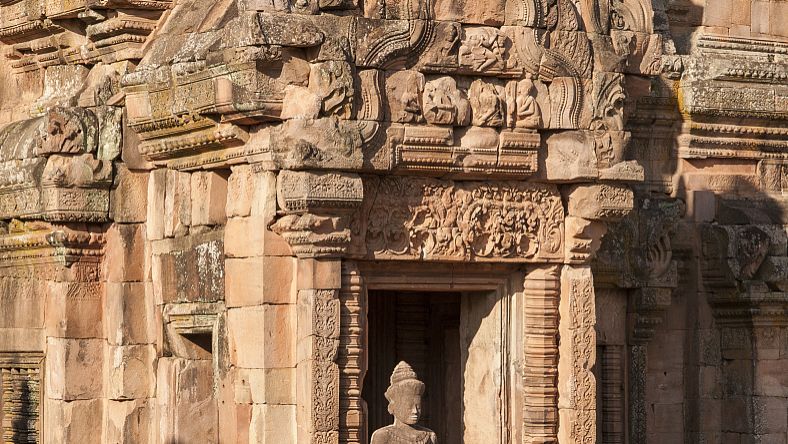 Carved into the red cliffs of the Loess Plateau beginning in the Northern Wei era around 477 AD, Xumi Mountain predates even the celebrated Yungang and Longmen Grottoes, placing it among the earliest large-scale Buddhist cave projects in East Asia. To grasp its age, consider that work began here when Emperor Justinian was reshaping the Byzantine Empire and Anglo-Saxon kingdoms were taking shape in Britain. For over four centuries, successive dynasties—Northern Wei, Western Wei, Northern Zhou, Sui, and Tang—continued excavation, making the site a remarkable chronicle of evolving Buddhist artistic styles. Its position on the Northern Silk Road meant it served both pilgrims and merchants traveling between Chang'an and Central Asia.
The complex is organized into four scenic zones—Sun Gong, Yuanguang Temple, Xianggou Temple, and the Great Buddha Tower—containing 162 caves scattered across eight mountain peaks. The undisputed star is Cave 5, whose 20.6-meter seated Maitreya Buddha rivals the scale of medieval European cathedral sculptures and remains the largest stone-carved Buddha in Ningxia. Equally compelling is Cave 51, housing the Northern Zhou "Three Buddhas of Sumeru's Light," hailed as a masterpiece of sixth-century round sculpture. The Sun Gong district preserves the slender, ethereal figures characteristic of early Northern Wei style, offering a direct visual link to the earliest Buddhist artistic impulses in China.
Beyond its artistic importance, Xumi Mountain embodies the cultural fusion of the Silk Road, where Han Chinese, Xianbei, Sogdian, and Tibetan influences mingled along trade arteries carrying silk, spices, and ideas across continents. The site's location at a strategic mountain pass made it a spiritual refuge for weary caravans, comparable in function to the great monasteries that lined medieval European pilgrimage routes like the Camino de Santiago. Today, the grottos remain a national key cultural relic protection site and offer visitors a tangible connection to the cosmopolitan world that existed on the plateau centuries ago.
The grottos are hewn from vibrant red sandstone cliffs of the distinctive Danxia landform, creating the signature "Red Cliff Buddha Shadows" scene beloved by photographers. Wooden plank paths and steel chains help visitors navigate steep sections, allowing close encounters with the carvings and a visceral appreciation for the immense labor ancient craftsmen invested. Morning light paints the cliff faces in warm hues, illuminating the statues dramatically—plan your ascent accordingly for the best photographic results.
Practical information is essential for this remote gem. The site holds an AAAA national tourism rating and charges roughly 50 RMB per person, with daily hours from 7:00 AM to 7:00 PM (last entry at 6:00 PM). A free museum at the visitor center provides valuable context; touring it before climbing is strongly recommended. The site lies 40 to 50 minutes by car from Guyuan city, and self-driving or hiring a private vehicle is advisable, as public transport options are limited. Carry cash, as mobile signals can be unreliable in the mountains.
Allow four to five hours for a thorough visit, following the suggested route of Visitor Center → Great Buddha Tower → Yuanguang Temple → Xianggou Temple. Check the official list of open caves before arrival and download the electronic audio guide in advance. For Western travelers seeking an off-the-beaten-path experience that rivals China's more famous grottoes without the crowds, Xumi Mountain offers an unforgettable encounter with the spiritual and artistic legacy of the Silk Road.
Carved into the red cliffs of the Loess Plateau beginning in the Northern Wei era around 477 AD, Xumi Mountain predates even the celebrated Yungang and Longmen Grottoes, placing it among the earliest large-scale Buddhist cave projects in East Asia. To grasp its age, consider that work began here when Emperor Justinian was reshaping the Byzantine Empire and Anglo-Saxon kingdoms were taking shape in Britain. For over four centuries, successive dynasties—Northern Wei, Western Wei, Northern Zhou, Sui, and Tang—continued excavation, making the site a remarkable chronicle of evolving Buddhist artistic styles. Its position on the Northern Silk Road meant it served both pilgrims and merchants traveling between Chang'an and Central Asia.
The complex is organized into four scenic zones—Sun Gong, Yuanguang Temple, Xianggou Temple, and the Great Buddha Tower—containing 162 caves scattered across eight mountain peaks. The undisputed star is Cave 5, whose 20.6-meter seated Maitreya Buddha rivals the scale of medieval European cathedral sculptures and remains the largest stone-carved Buddha in Ningxia. Equally compelling is Cave 51, housing the Northern Zhou "Three Buddhas of Sumeru's Light," hailed as a masterpiece of sixth-century round sculpture. The Sun Gong district preserves the slender, ethereal figures characteristic of early Northern Wei style, offering a direct visual link to the earliest Buddhist artistic impulses in China.
Beyond its artistic importance, Xumi Mountain embodies the cultural fusion of the Silk Road, where Han Chinese, Xianbei, Sogdian, and Tibetan influences mingled along trade arteries carrying silk, spices, and ideas across continents. The site's location at a strategic mountain pass made it a spiritual refuge for weary caravans, comparable in function to the great monasteries that lined medieval European pilgrimage routes like the Camino de Santiago. Today, the grottos remain a national key cultural relic protection site and offer visitors a tangible connection to the cosmopolitan world that existed on the plateau centuries ago.
The grottos are hewn from vibrant red sandstone cliffs of the distinctive Danxia landform, creating the signature "Red Cliff Buddha Shadows" scene beloved by photographers. Wooden plank paths and steel chains help visitors navigate steep sections, allowing close encounters with the carvings and a visceral appreciation for the immense labor ancient craftsmen invested. Morning light paints the cliff faces in warm hues, illuminating the statues dramatically—plan your ascent accordingly for the best photographic results.
Practical information is essential for this remote gem. The site holds an AAAA national tourism rating and charges roughly 50 RMB per person, with daily hours from 7:00 AM to 7:00 PM (last entry at 6:00 PM). A free museum at the visitor center provides valuable context; touring it before climbing is strongly recommended. The site lies 40 to 50 minutes by car from Guyuan city, and self-driving or hiring a private vehicle is advisable, as public transport options are limited. Carry cash, as mobile signals can be unreliable in the mountains.
Allow four to five hours for a thorough visit, following the suggested route of Visitor Center → Great Buddha Tower → Yuanguang Temple → Xianggou Temple. Check the official list of open caves before arrival and download the electronic audio guide in advance. For Western travelers seeking an off-the-beaten-path experience that rivals China's more famous grottoes without the crowds, Xumi Mountain offers an unforgettable encounter with the spiritual and artistic legacy of the Silk Road.