Wang Shang Ruins
⭐ 1.50
Wang Shang Ruins Site, Suiyang District, Shangqiu City, Henan Province, China
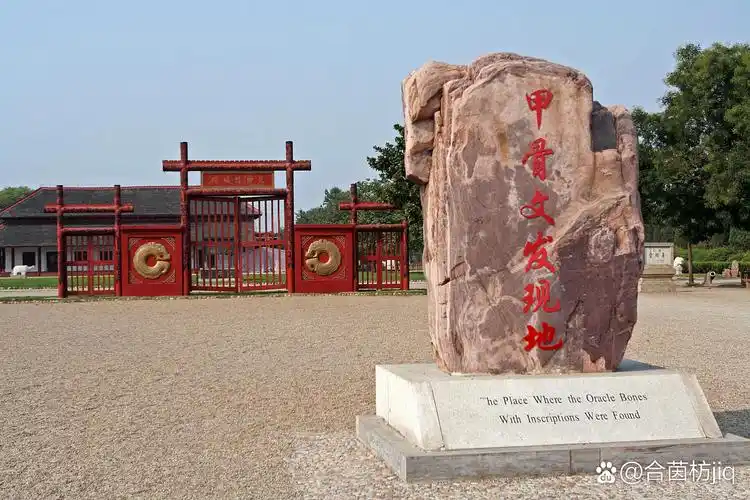 Wangzhuang is a window onto a vanished world. Around 3000 BCE, while the Great Pyramid of Giza was still being planned and Stonehenge's first stones were being raised, communities in eastern China were already building fortified settlements with encircling moats and crafting refined jade objects. Covering 63 hectares, Wangzhuang is the first large-scale Dawenkou settlement identified in the region, proving that sophisticated social organization existed here long before the dynasties recorded in written history.
The discoveries here are remarkable in both scale and artistry. Archaeologists have unearthed more than 150 jade pieces, including jade face coverings and stone scepters that are among the earliest known examples of their kind in China, alongside 400-plus ceramic vessels. Equally striking is the "stacked burial" cemetery, where later generations placed their dead atop ancestors, suggesting ritual practices tied to ancestor veneration that would shape Chinese culture for millennia.
Culturally, Wangzhuang rewrites the story of how Chinese civilization emerged. Long assumed to have radiated from a single Yellow River core, scholars now recognize multiple cradles of equal antiquity. Wangzhuang's unique fusion of northern and southern material styles offers tangible evidence for the "pluralistic origins, integrated development" model of Chinese civilization, a concept that reshapes how we understand the country's deep past.
Since the dig site is an active working excavation, visitors cannot enter the trenches. Instead, the Shangqiu Museum's "Exploring the Origins of Shang" exhibition displays the finest finds with partial English panels and digital reconstructions. The museum is free but requires advance online booking via the official WeChat account or website; foreigners present a passport for entry. Hours run Tuesday through Sunday, 9:00 to 17:00, and English volunteer guides can be reserved ahead.
Plan to arrive in the morning for the museum, then head into Shangqiu's old city in the afternoon. The adjacent Shangzu Temple honors Wang Hai, legendary forefather of the merchant class, while the nearby Ebo Platform is an ancient astronomical observatory where the god of fire once tracked the stars. Together with the museum, the route takes four to five hours and traces the spiritual and commercial roots of the Shang heartland.
Bring sunscreen and insect repellent in summer, and skip any online "guide to sneaking into the excavation" tips. The site is rough, uneven ground, and trespassing is both dangerous and unwelcome. Inside the museum, watch for no-photography signs in certain galleries and silence your flash. With a little planning, Wangzhuang rewards curious travelers with a rare glimpse into the dawn of East Asian civilization.
Wangzhuang is a window onto a vanished world. Around 3000 BCE, while the Great Pyramid of Giza was still being planned and Stonehenge's first stones were being raised, communities in eastern China were already building fortified settlements with encircling moats and crafting refined jade objects. Covering 63 hectares, Wangzhuang is the first large-scale Dawenkou settlement identified in the region, proving that sophisticated social organization existed here long before the dynasties recorded in written history.
The discoveries here are remarkable in both scale and artistry. Archaeologists have unearthed more than 150 jade pieces, including jade face coverings and stone scepters that are among the earliest known examples of their kind in China, alongside 400-plus ceramic vessels. Equally striking is the "stacked burial" cemetery, where later generations placed their dead atop ancestors, suggesting ritual practices tied to ancestor veneration that would shape Chinese culture for millennia.
Culturally, Wangzhuang rewrites the story of how Chinese civilization emerged. Long assumed to have radiated from a single Yellow River core, scholars now recognize multiple cradles of equal antiquity. Wangzhuang's unique fusion of northern and southern material styles offers tangible evidence for the "pluralistic origins, integrated development" model of Chinese civilization, a concept that reshapes how we understand the country's deep past.
Since the dig site is an active working excavation, visitors cannot enter the trenches. Instead, the Shangqiu Museum's "Exploring the Origins of Shang" exhibition displays the finest finds with partial English panels and digital reconstructions. The museum is free but requires advance online booking via the official WeChat account or website; foreigners present a passport for entry. Hours run Tuesday through Sunday, 9:00 to 17:00, and English volunteer guides can be reserved ahead.
Plan to arrive in the morning for the museum, then head into Shangqiu's old city in the afternoon. The adjacent Shangzu Temple honors Wang Hai, legendary forefather of the merchant class, while the nearby Ebo Platform is an ancient astronomical observatory where the god of fire once tracked the stars. Together with the museum, the route takes four to five hours and traces the spiritual and commercial roots of the Shang heartland.
Bring sunscreen and insect repellent in summer, and skip any online "guide to sneaking into the excavation" tips. The site is rough, uneven ground, and trespassing is both dangerous and unwelcome. Inside the museum, watch for no-photography signs in certain galleries and silence your flash. With a little planning, Wangzhuang rewards curious travelers with a rare glimpse into the dawn of East Asian civilization.