Badaling Great Wall

⭐ 4.70

Badaling Great Wall Scenic Area, Yanqing District, Beijing, China
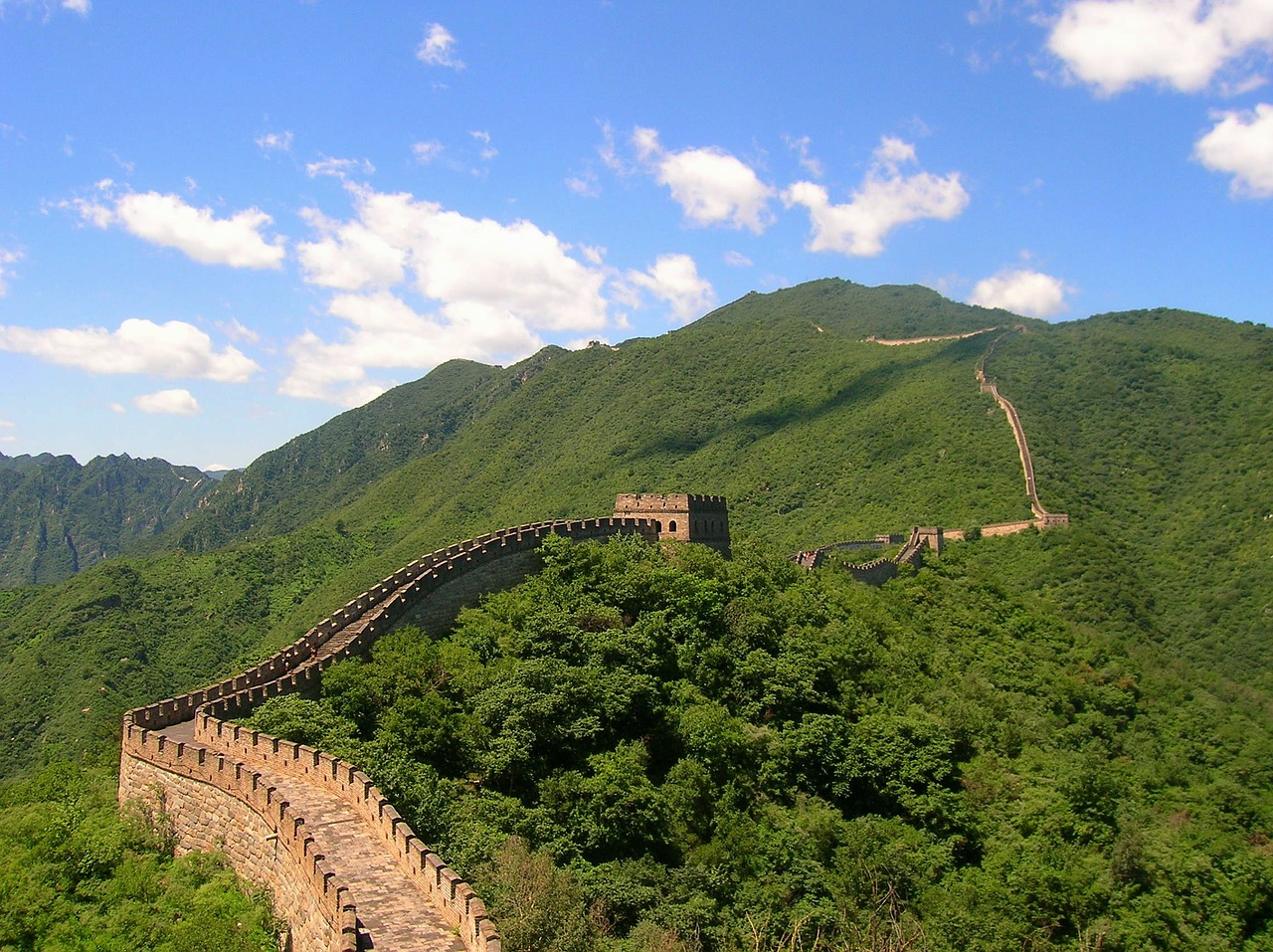
Badaling Great Wall
**Historical Context** Construction of the Badaling section began in 1505 during the reign of the Ming Emperor Xiaozong, forming part of the capital's northwestern defensive shield against Mongol incursions from the steppes. The name derives from "eight directions reaching through," reflecting its strategic position on the ancient highway linking Beijing to the grasslands of Inner Mongolia. Since the Warring States period, every dynasty recognized this chokepoint's military value. Remarkably, since 1949 Badaling has hosted over 500 foreign heads of state, transforming from a bulwark of imperial defense into a stage for modern diplomacy—a role somewhat analogous to how European castles like Dover or Versailles evolved from martial strongholds into symbols of statecraft. **Architecture** The open stretch spans roughly 23 kilometers of wall built from quarried granite blocks and kiln-fired bricks, rising between 6 and 9 meters high with a roadway wide enough for five horsemen abreast. Watchtowers, beacon turrets, and crenellated battlements dot the line at regular intervals, creating a defensive system comparable in scale and ambition to Hadrian's Wall in northern England or the Habsburg fortifications of Salzburg. At 888 meters elevation, North Eighth Tower commands the highest vantage point, while the gentler southern section showcases exceptionally intact tower clusters and showcases the precision of Ming military engineering. **Cultural Significance** Badaling embodies the Chinese spirit of resilience and self-strengthening against foreign aggression. Walking its weathered ramparts, visitors trace the same stones trodden by Ming sentries, Manchu bannermen, and Western missionaries. The site earned global recognition in 1987 when UNESCO inscribed it alongside other world treasures, cementing its status as a shared heritage of humanity. Mao's immortal verse turned climbing its steps into an act of pilgrimage, drawing parallels to how visitors today ascend the dome of St. Peter's or the towers of Mont Saint-Michel—not merely to sightsee, but to participate in something larger than themselves. **Practical Information** Tickets cost 40 yuan during peak season (April–October), with half-price concessions for students holding valid ID; advance real-name reservations through the official platform are mandatory. Opening hours typically run 06:30–19:00, with extended times during summer and holidays. The fastest and most convenient access is via the Beijing-Zhangjiakou high-speed railway from Beijing North or Qinghai Station—trains reach Badaling Station in just 20–30 minutes, with a 5-minute walk to the entrance. The site also welcomes visitors arriving by tour bus or taxi, though weekend crowds can be formidable. **Visiting Tips** Arrive at opening time to beat the midday rush, and head north first toward North Seventh and Eighth Towers for the most spectacular views and the obligatory "Hero Slope" photograph. The full northbound hike requires 2.5–3 hours of steady climbing. Those with limited mobility can take a cable car to North Seventh Tower, then walk the final stretch, or opt for the gentler southern route terminating at South Fourth Tower. Wear non-slip hiking shoes, carry ample water and light snacks, and avoid the walls entirely during thunderstorms. Families with elderly travelers or young children should pace themselves carefully and consider the southern, less strenuous sections.

Traveler reviews

I brought my friend here today to visit Badaling Great Wall. From afar, the Great Wall snakes through the mountains — absolutely spectacular. We hiked up the Hero Slope on foot; the steps were steep and tough, but we pushed through all the way to Beacon Tower 8, the highest point. Standing up there, the mountains and the wall blend into one — the view is breathtaking. Touching the ancient bricks really makes you appreciat...
⭐ 5 · Avery Wells Expand
Visited Badaling Great Wall based on its reputation and it absolutely lived up to the hype. The wall winds its way through the mountains, absolutely majestic and breathtaking. The ancient bricks underfoot have weathered centuries of history, you can really feel the weight of it all. The facilities are well-maintained, t...
⭐ 5 · River Adams Expand