Hulunbuir Grassland
⭐ 4.80
Amgulang Town, New Barag Left Banner, Hulunbuir City, Inner Mongolia Autonomous Region, China
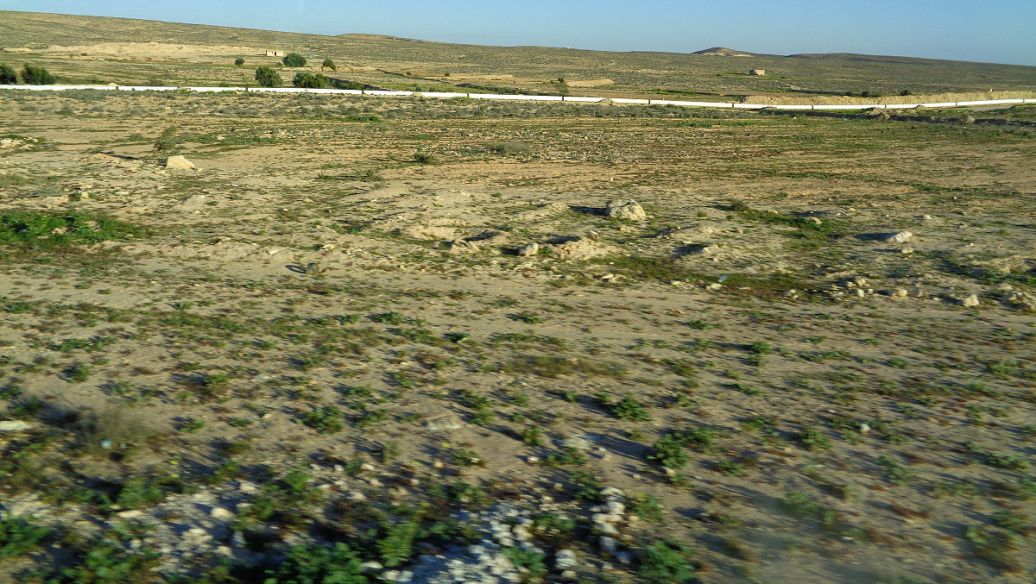 The grassland takes its name from Hulun and Buir Lakes, two shimmering inland seas that have sustained life on these plains for millennia. Since antiquity, this region has served as the cradle of northern nomadic civilizations, where Mongol ancestors practiced transhumance and forged the horseback culture that would ultimately reshape world history. Genghis Khan's descendants roamed these very meadows before launching conquests that stretched from the Pacific to the Danube, placing the Mongol Empire among the largest contiguous land empires ever known. Today, traditions like the Naadam Festival, with its wrestling, archery, and horse racing, and the ancient Aobao stone-altar ceremonies remain vibrantly alive, offering visitors a window into a way of life largely unchanged for centuries.
The landscape presents a striking ecological mosaic rarely found in such compact proximity. The Moergele River, hailed as "the world's most winding waterway," snakes across the green expanse like a silver ribbon when viewed from above, reminiscent of the meandering courses painted by the Dutch Masters. Neighboring Erguna Wetland claims the title of Asia's largest wetland sanctuary, teeming with migratory birds and lush flora, while the silver birch forests cascading down the western slopes of the Greater Khingan Range provide a dramatic counterpoint to the open plains, much like the forest-meadow transitions found in Scandinavia's Lapland.
Cultural encounters here carry a distinctly exotic, cross-border flavor. The Aoluguya Reindeer Tribe represents China's last surviving hunting community, where visitors can feed domesticated reindeer descended from the same taiga-dwelling traditions shared with Arctic indigenous peoples. Further north, the Russian ethnic villages of Enhe and Shiwei preserve traditional log-built "wood楞" houses and rye bread baking customs brought by Cossack settlers generations ago, evoking a piece of old Russia transplanted onto Chinese soil. Just beyond, the border city of Manzhouli dazzles with onion-domed architecture and glittering nightscapes reminiscent of St. Petersburg, creating an atmosphere entirely unique within China.
Culinary traditions fuse Mongolian heartiness with Russian influence, offering roasted whole lamb, hand-held boiled mutton, Buryat dumplings stuffed with juicy meat, and salty milk tea that fuels long days on the steppe. Accommodation choices range from traditional felt-lined yurts beneath star-filled skies to transparent bubble tents for stargazing and Russian-style wooden cabins, ensuring an immersive pastoral experience from dawn to dusk.
The prime travel window runs from July through August, when the grass reaches its deepest emerald hue and festivals peak, though crowds and prices surge accordingly. Early June or mid-August visits offer better value with nearly identical scenery. Fly into Hailar Dongshan Airport, then arrange a private vehicle or self-drive tour of at least five days, as attractions are scattered across distances routinely exceeding 100 kilometers. Summer nights can dip to 15°C despite scorching afternoons, so pack a light fleece along with high-SPF sunscreen and powerful mosquito repellent, particularly when venturing near wetlands and forests.
The grassland takes its name from Hulun and Buir Lakes, two shimmering inland seas that have sustained life on these plains for millennia. Since antiquity, this region has served as the cradle of northern nomadic civilizations, where Mongol ancestors practiced transhumance and forged the horseback culture that would ultimately reshape world history. Genghis Khan's descendants roamed these very meadows before launching conquests that stretched from the Pacific to the Danube, placing the Mongol Empire among the largest contiguous land empires ever known. Today, traditions like the Naadam Festival, with its wrestling, archery, and horse racing, and the ancient Aobao stone-altar ceremonies remain vibrantly alive, offering visitors a window into a way of life largely unchanged for centuries.
The landscape presents a striking ecological mosaic rarely found in such compact proximity. The Moergele River, hailed as "the world's most winding waterway," snakes across the green expanse like a silver ribbon when viewed from above, reminiscent of the meandering courses painted by the Dutch Masters. Neighboring Erguna Wetland claims the title of Asia's largest wetland sanctuary, teeming with migratory birds and lush flora, while the silver birch forests cascading down the western slopes of the Greater Khingan Range provide a dramatic counterpoint to the open plains, much like the forest-meadow transitions found in Scandinavia's Lapland.
Cultural encounters here carry a distinctly exotic, cross-border flavor. The Aoluguya Reindeer Tribe represents China's last surviving hunting community, where visitors can feed domesticated reindeer descended from the same taiga-dwelling traditions shared with Arctic indigenous peoples. Further north, the Russian ethnic villages of Enhe and Shiwei preserve traditional log-built "wood楞" houses and rye bread baking customs brought by Cossack settlers generations ago, evoking a piece of old Russia transplanted onto Chinese soil. Just beyond, the border city of Manzhouli dazzles with onion-domed architecture and glittering nightscapes reminiscent of St. Petersburg, creating an atmosphere entirely unique within China.
Culinary traditions fuse Mongolian heartiness with Russian influence, offering roasted whole lamb, hand-held boiled mutton, Buryat dumplings stuffed with juicy meat, and salty milk tea that fuels long days on the steppe. Accommodation choices range from traditional felt-lined yurts beneath star-filled skies to transparent bubble tents for stargazing and Russian-style wooden cabins, ensuring an immersive pastoral experience from dawn to dusk.
The prime travel window runs from July through August, when the grass reaches its deepest emerald hue and festivals peak, though crowds and prices surge accordingly. Early June or mid-August visits offer better value with nearly identical scenery. Fly into Hailar Dongshan Airport, then arrange a private vehicle or self-drive tour of at least five days, as attractions are scattered across distances routinely exceeding 100 kilometers. Summer nights can dip to 15°C despite scorching afternoons, so pack a light fleece along with high-SPF sunscreen and powerful mosquito repellent, particularly when venturing near wetlands and forests.