Flaming Mountain Scenic Area
⭐ 3.80
Flaming Mountain Scenic Area, Demonstration Zone, Turpan City, Xinjiang Uygur Autonomous Region, China
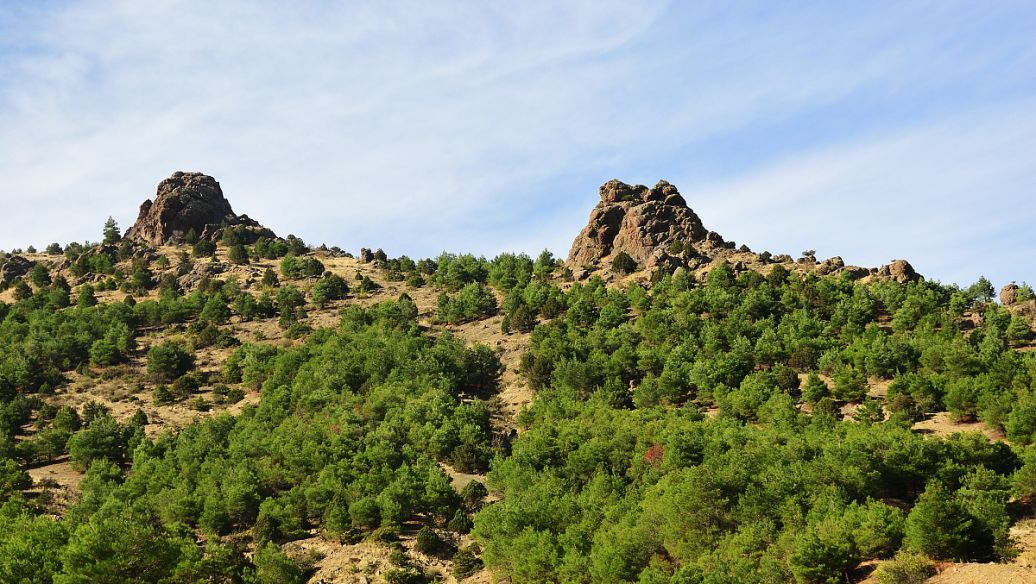 The Flaming Mountains were born some 140 million years ago during the Cretaceous period, when tectonic forces linked to the same Himalayan uplift that raised the world's highest ranges fractured the earth and thrust these red sandstone layers skyward. Think of them as a Chinese cousin to Arizona's Vermilion Cliffs or Morocco's Atlas escarpments—equally ancient, equally dramatic, but stripped of vegetation by extreme aridity. The lean, layered ridges of iron-oxide-rich rock resemble a row of forgotten cathedrals, their buttresses and apses carved by wind rather than chisel.
With annual rainfall that barely reaches a few millimeters, Turpan ranks as one of the driest basins on Earth, comparable to parts of Chile's Atacama or Iran's Lut Desert. Under a relentless sun, the iron-rich sandstone reflects a deep, almost iridescent crimson that ripples like a slow-burning ember across the horizon. This is precisely why locals called the range "Flaming Mountains" for centuries—long before screenwriters and travel photographers borrowed the name. The effect is most dramatic at sunrise and sunset, when the entire escarpment seems to glow from within.
To Chinese readers, the site is inseparable from "Journey to the West," the 16th-century epic in which the monk Xuanzang's pilgrimage is blocked by fiery demons, and the Monkey King must borrow magical fans from Princess Iron Fan to extinguish the blaze. The legend draws on real Silk Road travelers' tales of the Turpan Depression as a hellish passage between oasis civilizations. Today, costumed sculptures of Sun Wukong, Princess Iron Fan, and the Bull Demon King line the scenic walkways, turning a geological wonder into a living storybook for visitors who may know the tale through its recent TV adaptations.
The park's signature curiosity is a 12-meter-tall thermometer styled as the Monkey King's magical staff, once certified by Guinness World Records as the planet's largest freestanding thermometer. It broadcasts real-time surface temperatures—often hair-raisingly high. Nearby, visitors can try burying eggs in the hot sand to bake them, an experience that has become a viral photo ritual. A small underground exhibition hall offers VR experiences and welcome relief from the midday heat, with Journey to the West murals lining the cool corridors.
Allow 1.5 to 2 hours for the main scenic area, which is compact and easy to navigate. Adult tickets run around 40 yuan, with the museum and VR zone typically included. Crucially, do not arrive at midday: between noon and 4 PM in July and August, air temperatures routinely top 40°C and surface readings can exceed 70°C. Aim for early morning (8–10 AM) or evening (after 7 PM), when the rocks glow and the heat is bearable. Pack high-SPF sunscreen, a wide-brimmed hat, sturdy shoes with thick soles, and at least 1.5 liters of water per person.
The Flaming Mountains are best understood as part of a broader Turpan loop that has welcomed Silk Road caravans for two millennia. Pair the morning's blazing sunrise here with a shady afternoon in the nearby Grape Valley, then descend the next day into the cool, 18°C tunnels of the Karez underground irrigation system—an ancient marvel sometimes compared to Persia's qanats. This "fire and ice" contrast, set amid Buddhist ruins and Uyghur vineyards, makes Turpan one of the most distinctive destinations in Central Asia, far off the typical Western itinerary but thoroughly rewarding for those who make the journey.
The Flaming Mountains were born some 140 million years ago during the Cretaceous period, when tectonic forces linked to the same Himalayan uplift that raised the world's highest ranges fractured the earth and thrust these red sandstone layers skyward. Think of them as a Chinese cousin to Arizona's Vermilion Cliffs or Morocco's Atlas escarpments—equally ancient, equally dramatic, but stripped of vegetation by extreme aridity. The lean, layered ridges of iron-oxide-rich rock resemble a row of forgotten cathedrals, their buttresses and apses carved by wind rather than chisel.
With annual rainfall that barely reaches a few millimeters, Turpan ranks as one of the driest basins on Earth, comparable to parts of Chile's Atacama or Iran's Lut Desert. Under a relentless sun, the iron-rich sandstone reflects a deep, almost iridescent crimson that ripples like a slow-burning ember across the horizon. This is precisely why locals called the range "Flaming Mountains" for centuries—long before screenwriters and travel photographers borrowed the name. The effect is most dramatic at sunrise and sunset, when the entire escarpment seems to glow from within.
To Chinese readers, the site is inseparable from "Journey to the West," the 16th-century epic in which the monk Xuanzang's pilgrimage is blocked by fiery demons, and the Monkey King must borrow magical fans from Princess Iron Fan to extinguish the blaze. The legend draws on real Silk Road travelers' tales of the Turpan Depression as a hellish passage between oasis civilizations. Today, costumed sculptures of Sun Wukong, Princess Iron Fan, and the Bull Demon King line the scenic walkways, turning a geological wonder into a living storybook for visitors who may know the tale through its recent TV adaptations.
The park's signature curiosity is a 12-meter-tall thermometer styled as the Monkey King's magical staff, once certified by Guinness World Records as the planet's largest freestanding thermometer. It broadcasts real-time surface temperatures—often hair-raisingly high. Nearby, visitors can try burying eggs in the hot sand to bake them, an experience that has become a viral photo ritual. A small underground exhibition hall offers VR experiences and welcome relief from the midday heat, with Journey to the West murals lining the cool corridors.
Allow 1.5 to 2 hours for the main scenic area, which is compact and easy to navigate. Adult tickets run around 40 yuan, with the museum and VR zone typically included. Crucially, do not arrive at midday: between noon and 4 PM in July and August, air temperatures routinely top 40°C and surface readings can exceed 70°C. Aim for early morning (8–10 AM) or evening (after 7 PM), when the rocks glow and the heat is bearable. Pack high-SPF sunscreen, a wide-brimmed hat, sturdy shoes with thick soles, and at least 1.5 liters of water per person.
The Flaming Mountains are best understood as part of a broader Turpan loop that has welcomed Silk Road caravans for two millennia. Pair the morning's blazing sunrise here with a shady afternoon in the nearby Grape Valley, then descend the next day into the cool, 18°C tunnels of the Karez underground irrigation system—an ancient marvel sometimes compared to Persia's qanats. This "fire and ice" contrast, set amid Buddhist ruins and Uyghur vineyards, makes Turpan one of the most distinctive destinations in Central Asia, far off the typical Western itinerary but thoroughly rewarding for those who make the journey.