Duzhe Building
⭐ 3.20
Duzhe Building, Chengguan District, Lanzhou City, Gansu Province, China
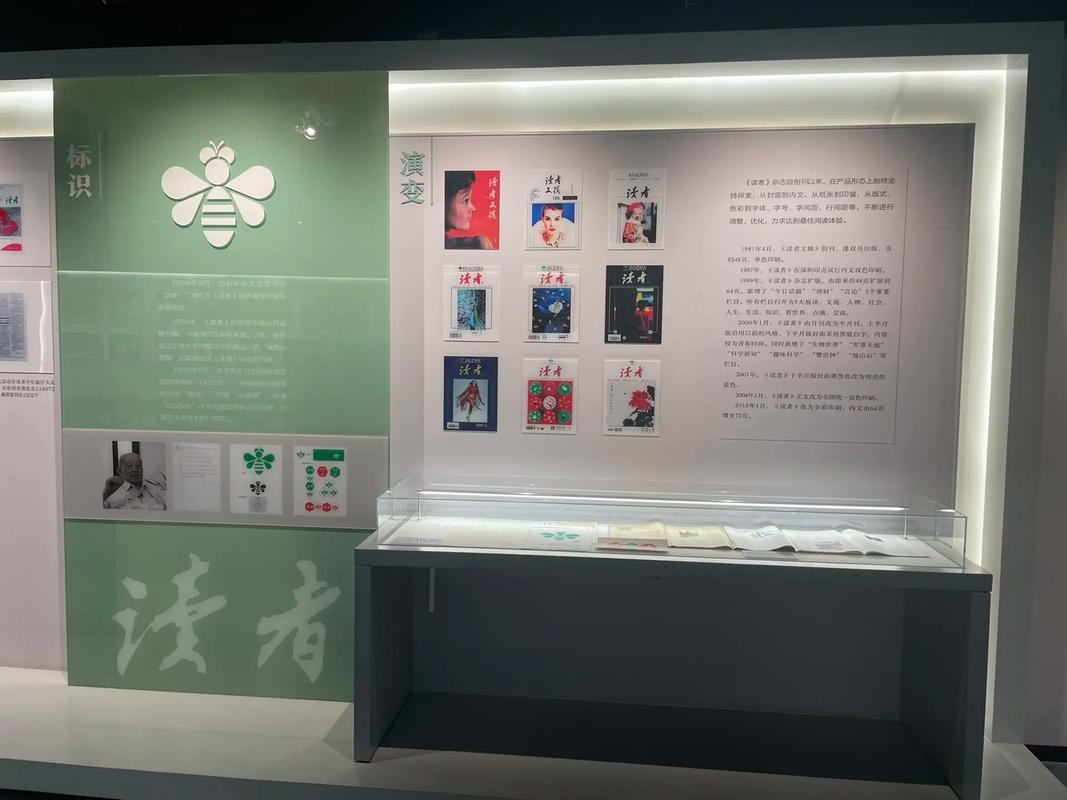 Reader magazine, founded in 1981 during China's reform era, became what many call "the spiritual reader for the Chinese people," with peak circulation rivaling Western magazines like Reader's Digest (which it originally emulated). The building houses over 2,000 artifacts including inaugural issues, editor manuscripts, and reader letters, offering a window into the cultural awakening that paralleled China's economic opening. For Western visitors, it's akin to visiting the Dickens Museum in London—a place where literary heritage is preserved through everyday objects rather than grand monuments.
The architecture is deliberately understated, a modernist structure prioritizing function over spectacle. Unlike the imperial grandeur of Beijing's Forbidden City or the ornate facades of European cathedrals, Reader Building reflects a different aesthetic philosophy: humility in service of culture. Building A hosts the museum with carefully recreated early editorial office scenes, allowing visitors to step into a 1980s Chinese publishing workplace. Building B's ground floor contains the tranquil Illustration Art Gallery, designed as a contemplative space where soft lighting and minimal displays encourage quiet appreciation.
The Illustration Art Gallery displays over 460 original artworks featured on Reader's covers and interior pages, spanning watercolor, oil painting, and traditional printmaking techniques. For art enthusiasts, this curated collection rivals the intimate print rooms found in smaller European museums, offering an accessible look at how Chinese illustrators have shaped popular literature visually across generations. The space has become increasingly popular among younger visitors and photography enthusiasts as a contemplative setting, similar to the atmospheric reading rooms of historic European libraries such as Trinity College Library in Dublin or Vienna's State Hall.
Admission is free, but visitors must present a passport for registration at the entrance. Advance reservations are recommended through the "Reader Online" mini-program, particularly during weekends and holidays. Allow 45 to 90 minutes for a thorough exploration of both venues. The museum and gallery close on Mondays. Photography without flash is permitted, though visitors should maintain quiet respect appropriate to a cultural institution, with staff reminding guests that this is a working cultural venue rather than a typical tourist attraction.
The building occupies a prime position within Lanzhou's Yellow River Scenic Belt, an area steeped in Silk Road heritage where caravans once passed between China and Central Asia. Visitors can easily combine this stop with several nearby attractions: the Dunhuang Art Gallery showcasing exquisite Mogao Cave replica murals, scenic Yantan Park, the Yellow River Waterwheel Museum displaying ancient irrigation technology, and historic Zhongshan Bridge—an iron structure completed in 1909 that locals call "the First Bridge over the Yellow River," a regional landmark comparable in significance to Prague's Charles Bridge.
The basement level houses the Reader Bookstore, where visitors can purchase exclusive cultural merchandise including magazine-themed stationery and collect commemorative stamps featuring iconic Reader covers—a beloved tradition among international travelers, similar to seeking pilgrimage certificates at Santiago de Compostela or Japanese temple shuins. This thoughtful detail transforms the visit from a passive museum stop into an interactive cultural experience. For travelers seeking to understand contemporary Chinese society beyond imperial monuments, Reader Building rewards curiosity about how a single magazine helped shape the reading habits and emotional landscapes of multiple generations.
Reader magazine, founded in 1981 during China's reform era, became what many call "the spiritual reader for the Chinese people," with peak circulation rivaling Western magazines like Reader's Digest (which it originally emulated). The building houses over 2,000 artifacts including inaugural issues, editor manuscripts, and reader letters, offering a window into the cultural awakening that paralleled China's economic opening. For Western visitors, it's akin to visiting the Dickens Museum in London—a place where literary heritage is preserved through everyday objects rather than grand monuments.
The architecture is deliberately understated, a modernist structure prioritizing function over spectacle. Unlike the imperial grandeur of Beijing's Forbidden City or the ornate facades of European cathedrals, Reader Building reflects a different aesthetic philosophy: humility in service of culture. Building A hosts the museum with carefully recreated early editorial office scenes, allowing visitors to step into a 1980s Chinese publishing workplace. Building B's ground floor contains the tranquil Illustration Art Gallery, designed as a contemplative space where soft lighting and minimal displays encourage quiet appreciation.
The Illustration Art Gallery displays over 460 original artworks featured on Reader's covers and interior pages, spanning watercolor, oil painting, and traditional printmaking techniques. For art enthusiasts, this curated collection rivals the intimate print rooms found in smaller European museums, offering an accessible look at how Chinese illustrators have shaped popular literature visually across generations. The space has become increasingly popular among younger visitors and photography enthusiasts as a contemplative setting, similar to the atmospheric reading rooms of historic European libraries such as Trinity College Library in Dublin or Vienna's State Hall.
Admission is free, but visitors must present a passport for registration at the entrance. Advance reservations are recommended through the "Reader Online" mini-program, particularly during weekends and holidays. Allow 45 to 90 minutes for a thorough exploration of both venues. The museum and gallery close on Mondays. Photography without flash is permitted, though visitors should maintain quiet respect appropriate to a cultural institution, with staff reminding guests that this is a working cultural venue rather than a typical tourist attraction.
The building occupies a prime position within Lanzhou's Yellow River Scenic Belt, an area steeped in Silk Road heritage where caravans once passed between China and Central Asia. Visitors can easily combine this stop with several nearby attractions: the Dunhuang Art Gallery showcasing exquisite Mogao Cave replica murals, scenic Yantan Park, the Yellow River Waterwheel Museum displaying ancient irrigation technology, and historic Zhongshan Bridge—an iron structure completed in 1909 that locals call "the First Bridge over the Yellow River," a regional landmark comparable in significance to Prague's Charles Bridge.
The basement level houses the Reader Bookstore, where visitors can purchase exclusive cultural merchandise including magazine-themed stationery and collect commemorative stamps featuring iconic Reader covers—a beloved tradition among international travelers, similar to seeking pilgrimage certificates at Santiago de Compostela or Japanese temple shuins. This thoughtful detail transforms the visit from a passive museum stop into an interactive cultural experience. For travelers seeking to understand contemporary Chinese society beyond imperial monuments, Reader Building rewards curiosity about how a single magazine helped shape the reading habits and emotional landscapes of multiple generations.