Tanjianzi Park
⭐ 3.80
Tanjianzi Park, Chengguan District, Lanzhou City, Gansu Province, China
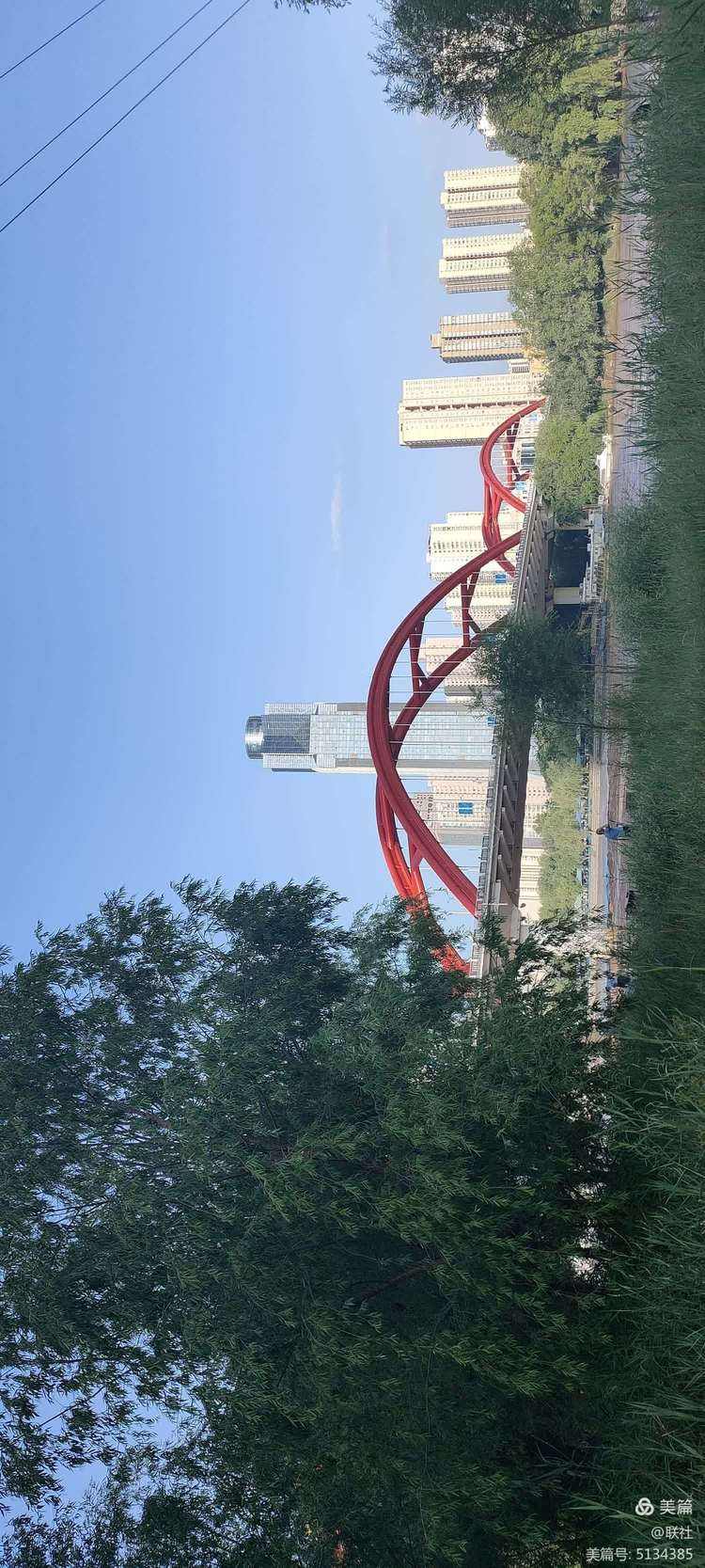 At the very heart of Chinese civilization lies the Yellow River, the legendary "Mother River" that nourished the Neolithic Yangshao and Majiayao cultures over 7,000 years ago. Lanzhou, where the park sits, has served as a vital Silk Road caravan hub since the Han Dynasty, bridging Central Asia and the imperial heartland for nearly two millennia. Today, Tanjianzi preserves a fragile slice of the river's original floodplain ecology, a rare treat in a city of 4 million. Think of it as Lanzhou's answer to a smaller-scale Camargue or Danube Delta reserve, but threaded directly through an urban setting.
The landscape deliberately avoids artificial landscaping. Instead, willows and reeds dominate, forming a layered green corridor in summer and a stark, silvery stage in winter when reed plumes scatter in the dry Gansu wind. A modest wooden boardwalk meanders through the wetland, allowing visitors to wander without trampling fragile habitat. The unfussy design philosophy mirrors the Japanese concept of shakkei, or "borrowed scenery," letting the river itself provide the dramatic backdrop. Few benches, no cafés, no noise—just the gurgle of the Yellow River and the rustle of wind through cattails.
Birdlife provides the park's quiet magic. White egrets stalk the shallows with mathematical patience, sparrows chatter in the willows, and the occasional kingfisher flashes turquoise across the water. Strict ecological rules prohibit fishing, bird-trapping, and plant removal, helping safeguard a migratory corridor that has likely existed here for centuries. For Western visitors accustomed to manicured botanical gardens, this raw, self-regulating ecosystem offers a refreshingly different experience—one where nature, not humans, sets the rules.
Practical planning is straightforward. The park lies along Nanbinhe East Road, beneath the Yantan Yellow River Bridge, stretching from Tianshui Road overpass eastward to the Liuzhong Expressway crossing. Buses 36, 37, and 113 serve the area, and free parking is available for drivers. The best times to visit are early morning (7–9 a.m.) for soft light and bird activity, or late afternoon (5–8 p.m.) when Lanzhou's famous sunsets gild the reeds. Avoid midday in summer—Gansu's high-altitude sun is intense, and mosquitoes peak near dusk along the water.
Bring sturdy, non-slip footwear for the damp boardwalks, plus insect repellent, a sun hat, and your own water and snacks, as the park offers no commercial amenities. Photography enthusiasts should pack a telephoto lens for bird shots and a tripod for golden-hour silhouettes. Crucially, do not confuse Tanjianzi with the larger, more developed Yantan Park nearby—they are distinct attractions. For travelers seeking an authentic, unpolished encounter with the Yellow River's living spirit, this overlooked wetland delivers a memorable, meditative hour or two far from the cruise boats and souvenir stalls of central Lanzhou.
At the very heart of Chinese civilization lies the Yellow River, the legendary "Mother River" that nourished the Neolithic Yangshao and Majiayao cultures over 7,000 years ago. Lanzhou, where the park sits, has served as a vital Silk Road caravan hub since the Han Dynasty, bridging Central Asia and the imperial heartland for nearly two millennia. Today, Tanjianzi preserves a fragile slice of the river's original floodplain ecology, a rare treat in a city of 4 million. Think of it as Lanzhou's answer to a smaller-scale Camargue or Danube Delta reserve, but threaded directly through an urban setting.
The landscape deliberately avoids artificial landscaping. Instead, willows and reeds dominate, forming a layered green corridor in summer and a stark, silvery stage in winter when reed plumes scatter in the dry Gansu wind. A modest wooden boardwalk meanders through the wetland, allowing visitors to wander without trampling fragile habitat. The unfussy design philosophy mirrors the Japanese concept of shakkei, or "borrowed scenery," letting the river itself provide the dramatic backdrop. Few benches, no cafés, no noise—just the gurgle of the Yellow River and the rustle of wind through cattails.
Birdlife provides the park's quiet magic. White egrets stalk the shallows with mathematical patience, sparrows chatter in the willows, and the occasional kingfisher flashes turquoise across the water. Strict ecological rules prohibit fishing, bird-trapping, and plant removal, helping safeguard a migratory corridor that has likely existed here for centuries. For Western visitors accustomed to manicured botanical gardens, this raw, self-regulating ecosystem offers a refreshingly different experience—one where nature, not humans, sets the rules.
Practical planning is straightforward. The park lies along Nanbinhe East Road, beneath the Yantan Yellow River Bridge, stretching from Tianshui Road overpass eastward to the Liuzhong Expressway crossing. Buses 36, 37, and 113 serve the area, and free parking is available for drivers. The best times to visit are early morning (7–9 a.m.) for soft light and bird activity, or late afternoon (5–8 p.m.) when Lanzhou's famous sunsets gild the reeds. Avoid midday in summer—Gansu's high-altitude sun is intense, and mosquitoes peak near dusk along the water.
Bring sturdy, non-slip footwear for the damp boardwalks, plus insect repellent, a sun hat, and your own water and snacks, as the park offers no commercial amenities. Photography enthusiasts should pack a telephoto lens for bird shots and a tripod for golden-hour silhouettes. Crucially, do not confuse Tanjianzi with the larger, more developed Yantan Park nearby—they are distinct attractions. For travelers seeking an authentic, unpolished encounter with the Yellow River's living spirit, this overlooked wetland delivers a memorable, meditative hour or two far from the cruise boats and souvenir stalls of central Lanzhou.