Lanzhou Botanical Garden
⭐ 3.80
No. 1, Shijiawan Nursery, North of Zaolin Road, Anning District, Lanzhou City, Gansu Province, China
 The garden traces its origins to the Shijiawan Nursery, evolving over decades into a research and recreational landmark. Its location along the Yellow River echoes the ancient Silk Road oasis tradition—when caravans once paused at Lanzhou (historically "Jincheng," or "Gold City") to resupply before crossing the Gansu corridor toward Central Asia. Like London's Kew Gardens or Paris's Jardin des Plantes, it serves as both living museum and urban sanctuary, though its free admission reflects China's commitment to accessible public green space.
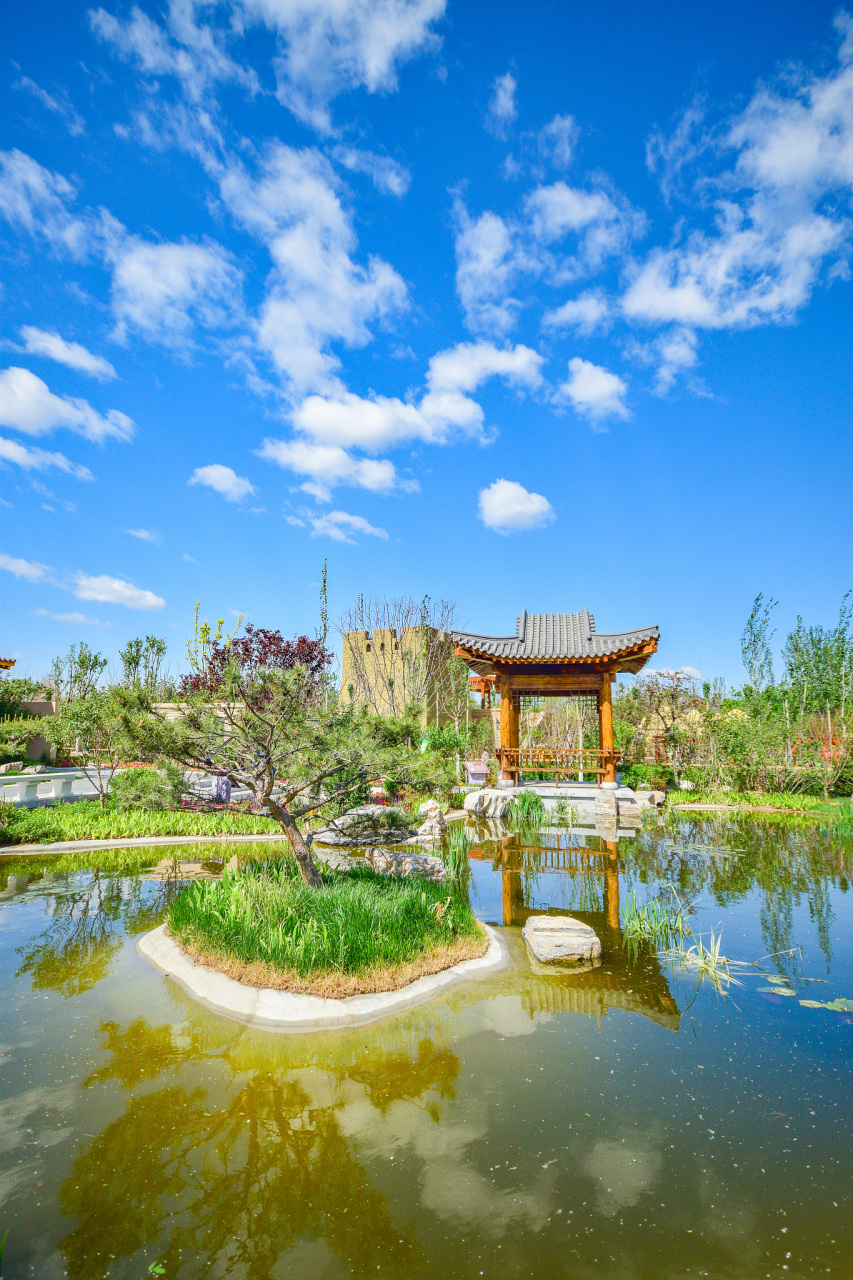
The layout draws on Jiangnan garden aesthetics—those elegant, waterscape-rich designs of southern China's classical gardens—adapted to the arid northwest. Winding paths thread between the 46-acre artificial lake, pine groves, and curated microclimates sheltering rare specimens like Dawn Redwood (Metasequoia, once thought extinct) and Chinese Yew. The Dunhuang Garden stands as the cultural centerpiece, recreating motifs from the UNESCO-listed Mogao Caves murals—a miniature homage to the Buddhist art treasure house 1,100 miles west.
Where the Silk Road once carried spices, silks, and ideas between Rome and Chang'an, this garden now carries seeds and stories of biodiversity. Its themed sections mirror China's vast botanical geography: peonies evoke Luoyang's imperial flower festivals, while the Dunhuang segment reminds visitors that Lanzhou was a vital waypoint where merchants from Persia, Byzantium, and Tang China exchanged goods and cultivars. It functions as living heritage—a green counterpart to the legendary caravanserais that once dotted this corridor.
Beyond its 380+ documented species, the garden specializes in plants adapted to northwest China's semi-arid climate. Spring brings riotous tulip and peony displays (late April through May), summer delivers cool lakeside shade beneath towering oil pines, and autumn explodes with chrysanthemum festivals celebrating a flower prized in Chinese art for over a millennium. Photographers particularly favor the golden-hour light filtering through pine canopy onto the lake's still surface.
The garden opens free to visitors year-round, located in Anning District. Summer hours (April 19–October 31) run 6:00 a.m. to 9:30 p.m.; winter hours (November 1–April 18) close at 8:00 p.m. Bus routes 20, 68, and 156 stop directly at "Lanzhou Botanical Garden" station, and parking is available near the east entrance. Light recreational facilities—including lake boat rides and fishing—operate on-site for a small fee; restrooms and snack vendors cluster near the main gate.
For travelers journeying between Xi'an's Terracotta Warriors and Dunhuang's desert caves, this garden offers an ideal mid-route respite. Unlike the manicured formality of European botanical institutions, it carries the informal, exploratory character of a Silk Road oasis—where travelers of old found refreshment, today's visitors discover an unexpected pocket of biodiversity in one of China's most historically layered cities. Allow two to three hours, bring comfortable shoes, and check seasonal bloom calendars before visiting.
The garden traces its origins to the Shijiawan Nursery, evolving over decades into a research and recreational landmark. Its location along the Yellow River echoes the ancient Silk Road oasis tradition—when caravans once paused at Lanzhou (historically "Jincheng," or "Gold City") to resupply before crossing the Gansu corridor toward Central Asia. Like London's Kew Gardens or Paris's Jardin des Plantes, it serves as both living museum and urban sanctuary, though its free admission reflects China's commitment to accessible public green space.
The layout draws on Jiangnan garden aesthetics—those elegant, waterscape-rich designs of southern China's classical gardens—adapted to the arid northwest. Winding paths thread between the 46-acre artificial lake, pine groves, and curated microclimates sheltering rare specimens like Dawn Redwood (Metasequoia, once thought extinct) and Chinese Yew. The Dunhuang Garden stands as the cultural centerpiece, recreating motifs from the UNESCO-listed Mogao Caves murals—a miniature homage to the Buddhist art treasure house 1,100 miles west.
Where the Silk Road once carried spices, silks, and ideas between Rome and Chang'an, this garden now carries seeds and stories of biodiversity. Its themed sections mirror China's vast botanical geography: peonies evoke Luoyang's imperial flower festivals, while the Dunhuang segment reminds visitors that Lanzhou was a vital waypoint where merchants from Persia, Byzantium, and Tang China exchanged goods and cultivars. It functions as living heritage—a green counterpart to the legendary caravanserais that once dotted this corridor.
Beyond its 380+ documented species, the garden specializes in plants adapted to northwest China's semi-arid climate. Spring brings riotous tulip and peony displays (late April through May), summer delivers cool lakeside shade beneath towering oil pines, and autumn explodes with chrysanthemum festivals celebrating a flower prized in Chinese art for over a millennium. Photographers particularly favor the golden-hour light filtering through pine canopy onto the lake's still surface.
The garden opens free to visitors year-round, located in Anning District. Summer hours (April 19–October 31) run 6:00 a.m. to 9:30 p.m.; winter hours (November 1–April 18) close at 8:00 p.m. Bus routes 20, 68, and 156 stop directly at "Lanzhou Botanical Garden" station, and parking is available near the east entrance. Light recreational facilities—including lake boat rides and fishing—operate on-site for a small fee; restrooms and snack vendors cluster near the main gate.
For travelers journeying between Xi'an's Terracotta Warriors and Dunhuang's desert caves, this garden offers an ideal mid-route respite. Unlike the manicured formality of European botanical institutions, it carries the informal, exploratory character of a Silk Road oasis—where travelers of old found refreshment, today's visitors discover an unexpected pocket of biodiversity in one of China's most historically layered cities. Allow two to three hours, bring comfortable shoes, and check seasonal bloom calendars before visiting.