Xiamen Ocean World
⭐ 3.20
Zenghai Road 16, Zengcuoan Village, Siming District, Xiamen City, Fujian Province, China
 The original Xiamen Underwater World opened in 1998, the same year the Netherlands' grand Oceanium was expanding Europe's marine aquarium tradition, and it remains a touchstone of ocean education in coastal China. Its standout artifact is a complete sperm whale specimen stretching 18.6 meters, the kind of natural-history showpiece one might associate with the whale halls of London's Natural History Museum or Paris's Grande Galerie de l'Évolution. More than 350 species share the facility, viewed through a long acrylic tunnel and a towering cylindrical tank that lend the galleries a slightly retro, late-1990s charm. For visitors who appreciate the texture of a place that has been educating schoolchildren for a generation, this is an unpolished but endearing stop.
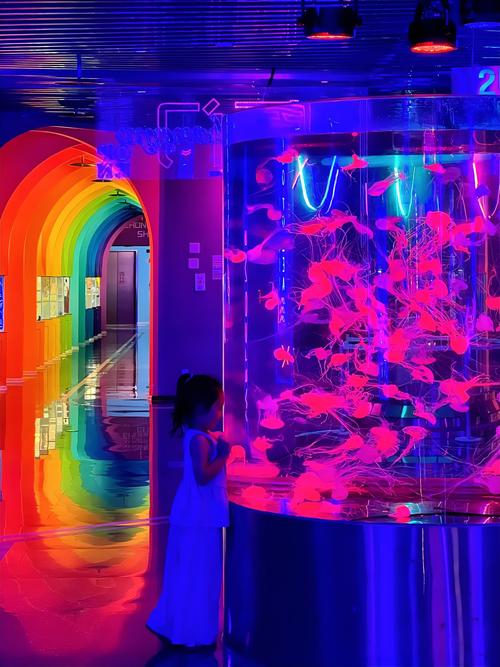
The newcomer, Xiamen Haiqu Ocean World, is a different proposition entirely. Spread across roughly 35,000 square meters within the Harbour City shopping complex in Huli District, it houses over 30,000 animals organized into seven themed zones, including a jellyfish matrix, a polar penguin and Arctic wolf habitat, an exotic-pet wall, and a flower-sea "secret garden." Three purpose-built theaters stage mermaid ballet, dolphin science shows, and multimedia water performances throughout the day. The scale is closer to that of a regional aquarium like Oceanogràfic in Valencia than to a city-center attraction, and the climate-controlled interior offers welcome relief during Xiamen's humid summer months.
Culturally, the two sites serve complementary roles. Gulangyu's older aquarium is woven into the island's UNESCO-protected heritage landscape, where piano-filled lanes and 19th-century colonial villas frame a quieter, more reflective experience. Haiqu, by contrast, is a thoroughly modern entertainment complex, designed for the kind of social-media-ready spectacle that appeals to families, couples, and photography enthusiasts. Together they reflect how Chinese coastal cities have layered new, high-tech attractions onto older, more intimate cultural sites.
For Haiqu, plan three to four hours. The complex is easily reached by metro and bus, with no ferry required. Hours run to 20:30 on weekdays and 21:30 on weekends, and evening shows have a particularly atmospheric feel under theatrical lighting. Tickets should be booked online in advance, and visitors should consult the daily performance schedule on arrival to avoid missing the dolphin and mermaid shows, which are the day's clear highlights.
For Gulangyu Underwater World, allow one to two hours and follow the recommended route: penguin and freshwater fish hall, then the main ocean hall, the 80-meter tunnel, the marine mammal performance arena, and finally the sperm whale hall. The facility is showing its age and offers limited interactive elements, but the whale specimen alone justifies the stop. Ferry tickets to Gulangyu require real-name ID or passport and must be reserved in advance; flash photography and food are prohibited inside, and the penguin hall runs cool, so a light layer is advisable.
Why visit? The two aquariums neatly bracket the experience of modern Xiamen itself. Haiqu delivers the polish, scale, and showmanship expected of a 21st-century Asian mega-attraction, while Gulangyu offers a gentler, more nostalgic encounter with a city that has long looked outward across the Taiwan Strait. Travelers with limited time should choose Haiqu; those spending a full day on Gulangyu will find the older aquarium a worthwhile footnote to the island's remarkable architectural heritage.
The original Xiamen Underwater World opened in 1998, the same year the Netherlands' grand Oceanium was expanding Europe's marine aquarium tradition, and it remains a touchstone of ocean education in coastal China. Its standout artifact is a complete sperm whale specimen stretching 18.6 meters, the kind of natural-history showpiece one might associate with the whale halls of London's Natural History Museum or Paris's Grande Galerie de l'Évolution. More than 350 species share the facility, viewed through a long acrylic tunnel and a towering cylindrical tank that lend the galleries a slightly retro, late-1990s charm. For visitors who appreciate the texture of a place that has been educating schoolchildren for a generation, this is an unpolished but endearing stop.
The newcomer, Xiamen Haiqu Ocean World, is a different proposition entirely. Spread across roughly 35,000 square meters within the Harbour City shopping complex in Huli District, it houses over 30,000 animals organized into seven themed zones, including a jellyfish matrix, a polar penguin and Arctic wolf habitat, an exotic-pet wall, and a flower-sea "secret garden." Three purpose-built theaters stage mermaid ballet, dolphin science shows, and multimedia water performances throughout the day. The scale is closer to that of a regional aquarium like Oceanogràfic in Valencia than to a city-center attraction, and the climate-controlled interior offers welcome relief during Xiamen's humid summer months.
Culturally, the two sites serve complementary roles. Gulangyu's older aquarium is woven into the island's UNESCO-protected heritage landscape, where piano-filled lanes and 19th-century colonial villas frame a quieter, more reflective experience. Haiqu, by contrast, is a thoroughly modern entertainment complex, designed for the kind of social-media-ready spectacle that appeals to families, couples, and photography enthusiasts. Together they reflect how Chinese coastal cities have layered new, high-tech attractions onto older, more intimate cultural sites.
For Haiqu, plan three to four hours. The complex is easily reached by metro and bus, with no ferry required. Hours run to 20:30 on weekdays and 21:30 on weekends, and evening shows have a particularly atmospheric feel under theatrical lighting. Tickets should be booked online in advance, and visitors should consult the daily performance schedule on arrival to avoid missing the dolphin and mermaid shows, which are the day's clear highlights.
For Gulangyu Underwater World, allow one to two hours and follow the recommended route: penguin and freshwater fish hall, then the main ocean hall, the 80-meter tunnel, the marine mammal performance arena, and finally the sperm whale hall. The facility is showing its age and offers limited interactive elements, but the whale specimen alone justifies the stop. Ferry tickets to Gulangyu require real-name ID or passport and must be reserved in advance; flash photography and food are prohibited inside, and the penguin hall runs cool, so a light layer is advisable.
Why visit? The two aquariums neatly bracket the experience of modern Xiamen itself. Haiqu delivers the polish, scale, and showmanship expected of a 21st-century Asian mega-attraction, while Gulangyu offers a gentler, more nostalgic encounter with a city that has long looked outward across the Taiwan Strait. Travelers with limited time should choose Haiqu; those spending a full day on Gulangyu will find the older aquarium a worthwhile footnote to the island's remarkable architectural heritage.