Zengcuo'an
⭐ 3.20
Zengcuo'an Village, Siming District, Xiamen City, Fujian Province, China
 Once a sleepy fishing hamlet on Xiamen Island's southeastern edge, Zengcuo'an reflects the dramatic arc of China's coastal history. Xiamen became one of five treaty ports forced open to Western trade after the First Opium War of 1842, much like Hong Kong and Shanghai, launching centuries of maritime exchange. Fujianese emigrants sailed south to Southeast Asia, returning fortunes that built the area's eclectic "Nanyang" mansions, while Catholic missionaries erected the striking Zengcuo'an Church in 1870—a contemporary of Europe's Gothic Revival sanctuaries and a tangible symbol of cross-cultural encounter.
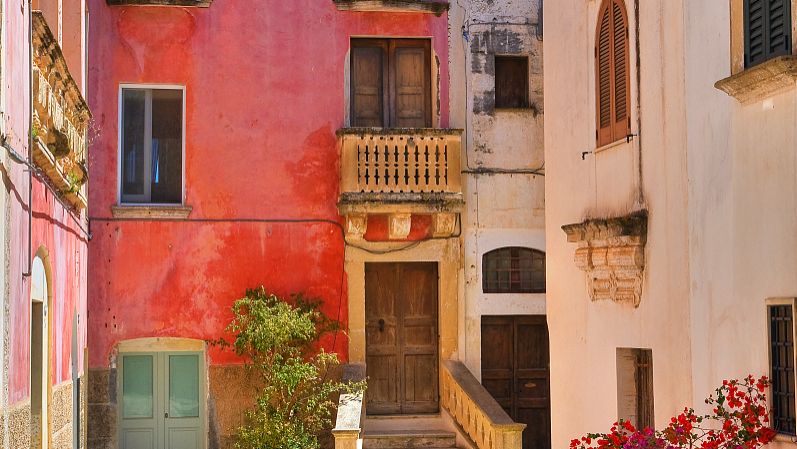
The village reads like a living architectural museum. Crimson-hued Minnan red-brick courtyard houses, cousins of the UNESCO-listed Fujian tulou, share walls with tropical veranda-fronted shophouses reminiscent of Singapore's Peranakan terraces. The 1870 Catholic Church blends Chinese tiled roofs with a Romanesque façade, while the century-old Zengqing Temple honors Mazu, the sea goddess revered throughout the South China Sea. Layered over these weathered facades, vivid murals by resident artists inject contemporary street culture into the historic fabric.
Zengcuo'an embodies the gentrification narrative familiar from London's Camden or Brooklyn's Williamsburg—a working-class quarter reimagined by artists, designers, and entrepreneurs. Today, calligraphy ateliers, vintage vinyl cafés, and boutique hotels occupy former fishermen's dwellings, drawing a youthful crowd seeking authentic local flavor beyond Xiamen's polished tourist districts. The village pulses with weekend energy, harmonizing bohemian creativity with everyday Minnan life, where salty sea breezes mingle with the aroma of roasting tea leaves and the clatter of mahjong tiles from neighborhood elders.
Reaching Zengcuo'an is refreshingly simple. Metro Line 2 stops directly at Zengcuo'an Station, while buses 29, 48, and 751 connect from central Xiamen. Allow 30-40 minutes by taxi from Gaoqi International Airport and roughly 20 minutes from Xiamen Railway Station. Driving is strongly discouraged—the maze-like lanes are pedestrian-only and parking is virtually nonexistent. From the village entrance, the seaside boardwalk is a leisurely five-to-ten-minute stroll, making the area perfect for combining with a sunset cycling loop along Huandao Road.
Admission is free, and 1.5 to 2.5 hours suffice for a thorough stroll. Arrive after 5 pm to catch the legendary Huandao Road sunset from the seaside boardwalk before diving into the lantern-lit night market. Seafood restaurants abound, but always confirm prices and weights first to avoid surprises; savvy travelers head instead to Bazha Market for purchases, then have them cooked nearby at a fraction of the cost. Don't miss oyster omelets, peanut soup, and bamboo-tube rice.
A few courtesies enhance any visit. Step modestly when visiting Zengqing Temple and the Catholic Church—shoulders covered, voices low, photography discreet. Wear flat shoes suited to uneven flagstones, secure valuables in crowded lanes, and respect residents whose homes remain active. Cycling the coastal Huandao Road is iconic, but bicycles and e-scooters must remain outside the village core. Visit on weekdays for a quieter atmosphere and easier photographs, or embrace the festive chaos of weekends when the lanes overflow with travelers from across China.
Once a sleepy fishing hamlet on Xiamen Island's southeastern edge, Zengcuo'an reflects the dramatic arc of China's coastal history. Xiamen became one of five treaty ports forced open to Western trade after the First Opium War of 1842, much like Hong Kong and Shanghai, launching centuries of maritime exchange. Fujianese emigrants sailed south to Southeast Asia, returning fortunes that built the area's eclectic "Nanyang" mansions, while Catholic missionaries erected the striking Zengcuo'an Church in 1870—a contemporary of Europe's Gothic Revival sanctuaries and a tangible symbol of cross-cultural encounter.
The village reads like a living architectural museum. Crimson-hued Minnan red-brick courtyard houses, cousins of the UNESCO-listed Fujian tulou, share walls with tropical veranda-fronted shophouses reminiscent of Singapore's Peranakan terraces. The 1870 Catholic Church blends Chinese tiled roofs with a Romanesque façade, while the century-old Zengqing Temple honors Mazu, the sea goddess revered throughout the South China Sea. Layered over these weathered facades, vivid murals by resident artists inject contemporary street culture into the historic fabric.
Zengcuo'an embodies the gentrification narrative familiar from London's Camden or Brooklyn's Williamsburg—a working-class quarter reimagined by artists, designers, and entrepreneurs. Today, calligraphy ateliers, vintage vinyl cafés, and boutique hotels occupy former fishermen's dwellings, drawing a youthful crowd seeking authentic local flavor beyond Xiamen's polished tourist districts. The village pulses with weekend energy, harmonizing bohemian creativity with everyday Minnan life, where salty sea breezes mingle with the aroma of roasting tea leaves and the clatter of mahjong tiles from neighborhood elders.
Reaching Zengcuo'an is refreshingly simple. Metro Line 2 stops directly at Zengcuo'an Station, while buses 29, 48, and 751 connect from central Xiamen. Allow 30-40 minutes by taxi from Gaoqi International Airport and roughly 20 minutes from Xiamen Railway Station. Driving is strongly discouraged—the maze-like lanes are pedestrian-only and parking is virtually nonexistent. From the village entrance, the seaside boardwalk is a leisurely five-to-ten-minute stroll, making the area perfect for combining with a sunset cycling loop along Huandao Road.
Admission is free, and 1.5 to 2.5 hours suffice for a thorough stroll. Arrive after 5 pm to catch the legendary Huandao Road sunset from the seaside boardwalk before diving into the lantern-lit night market. Seafood restaurants abound, but always confirm prices and weights first to avoid surprises; savvy travelers head instead to Bazha Market for purchases, then have them cooked nearby at a fraction of the cost. Don't miss oyster omelets, peanut soup, and bamboo-tube rice.
A few courtesies enhance any visit. Step modestly when visiting Zengqing Temple and the Catholic Church—shoulders covered, voices low, photography discreet. Wear flat shoes suited to uneven flagstones, secure valuables in crowded lanes, and respect residents whose homes remain active. Cycling the coastal Huandao Road is iconic, but bicycles and e-scooters must remain outside the village core. Visit on weekdays for a quieter atmosphere and easier photographs, or embrace the festive chaos of weekends when the lanes overflow with travelers from across China.