Xiamen University
⭐ 4.70
Zhangzhou Campus of Xiamen University, Siming District, Xiamen, Fujian, China
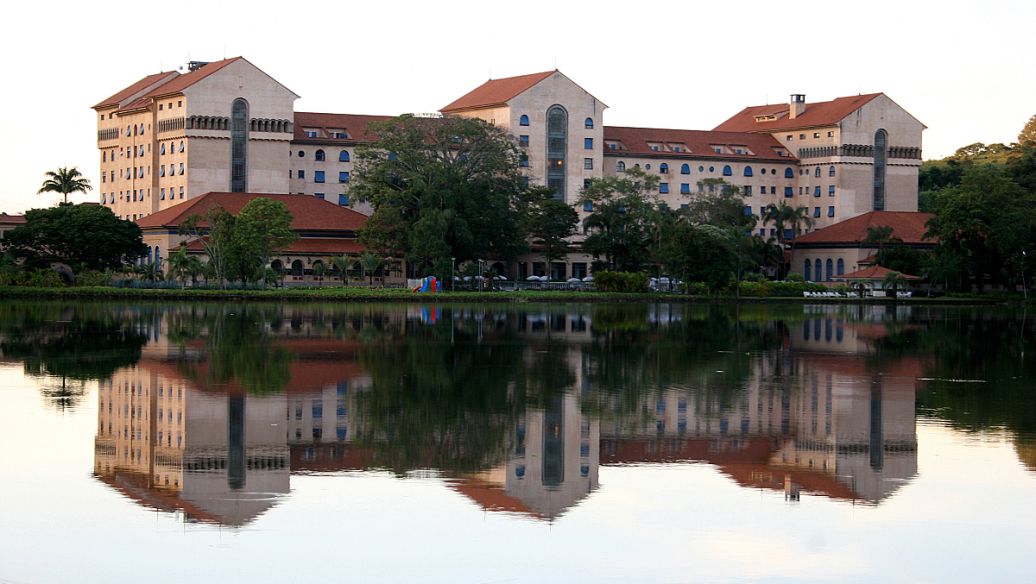 Founded in 1921 by Tan Kah Kee, a rubber magnate from Southeast Asia whose philanthropic legacy rivals that of America's Andrew Carnegie, Xiamen University (known as XMU) was the first institution of higher learning in modern China funded by overseas Chinese. As a member of China's elite "985" and "Double First-Class" universities, XMU has shaped generations of scholars, including literary luminaries like Lu Xun and Lin Yutang—figures who, much like their contemporaries at Oxford or Cambridge, left an indelible mark on 20th-century intellectual life. The motto "Cheng Yi" (Sincerity and Perseverance) reflects a spirit of national service that has endured for over a century.
The campus's visual signature is the "Jiageng" architectural style, a unique fusion conceived by Tan Kah Kee himself, often described as "wearing a Western suit with a traditional bamboo hat." This approach marries the grandeur of European Beaux-Arts civic buildings—comparable to London's St Pancras or Brussels' Palais de Justice—with the sweeping swallowtail eaves, red brick, and intricate carvings of traditional Minnan ancestral halls. Standout structures include the imposing Song'en Building, the stately Jinan Auditorium, and the harmonious Qunxian Building Cluster, all of which represent a singular chapter in China's architectural heritage and draw architecture enthusiasts from across the globe.
Cultural depth abounds across campus. The Lu Xun Memorial Hall recreates the four months the great Chinese writer spent teaching at XMU in 1926, offering insights comparable to visiting Dickens's desk at the British Museum. The Tan Kah Kee Memorial Museum chronicles the founder's extraordinary life of philanthropy. The Human Museum houses one of China's finest collections of Minnan and Taiwanese folk artifacts, providing essential context for understanding Fujian's coastal culture. Together, these venues trace a powerful narrative of intellectual pursuit, revolutionary tradition, and cultural preservation.
The natural setting is equally captivating. Furong Lake sits at the campus heart, where black swans glide beneath phoenix trees, their reflections mirroring the Song'en Building like a scene from a Constable painting. The Shangxian Field, perched on a hillside facing the sea, offers panoramic views of the Taiwan Strait and the twin世贸 towers beyond—a viewpoint beloved by photographers since it appeared in the popular TV drama "Let's Watch the Meteor Shower Together." The mountain-meets-sea landscape creates a backdrop reminiscent of the Amalfi Coast or the French Riviera.
The 1.2-kilometer Furong Tunnel serves as the campus's most vibrant artery, its walls covered in hundreds of student-created murals expressing hopes, romances, and farewells—often called "China's most artistic tunnel." Visitors are advised to walk it in one direction, exiting through the Baicheng Gate near the beach or the South Gate close to Nanputuo Temple, a 1,200-year-old Buddhist site well worth a combined visit.
Practical access requires advance planning. Foreign visitors must reserve entry via the WeChat mini-program "Visit XMU," presenting a passport at the visitor center. Summer 2026 will introduce a lottery system requiring registration three days ahead, with low success rates expected. The campus opens daily from 8:00 a.m. to 5:30 p.m.; campus cafeterias remain closed to outsiders, so bringing water and light snacks is essential. Visitors should also respect the university's strict codes of conduct, as XMU remains a working academic institution first and foremost.
Founded in 1921 by Tan Kah Kee, a rubber magnate from Southeast Asia whose philanthropic legacy rivals that of America's Andrew Carnegie, Xiamen University (known as XMU) was the first institution of higher learning in modern China funded by overseas Chinese. As a member of China's elite "985" and "Double First-Class" universities, XMU has shaped generations of scholars, including literary luminaries like Lu Xun and Lin Yutang—figures who, much like their contemporaries at Oxford or Cambridge, left an indelible mark on 20th-century intellectual life. The motto "Cheng Yi" (Sincerity and Perseverance) reflects a spirit of national service that has endured for over a century.
The campus's visual signature is the "Jiageng" architectural style, a unique fusion conceived by Tan Kah Kee himself, often described as "wearing a Western suit with a traditional bamboo hat." This approach marries the grandeur of European Beaux-Arts civic buildings—comparable to London's St Pancras or Brussels' Palais de Justice—with the sweeping swallowtail eaves, red brick, and intricate carvings of traditional Minnan ancestral halls. Standout structures include the imposing Song'en Building, the stately Jinan Auditorium, and the harmonious Qunxian Building Cluster, all of which represent a singular chapter in China's architectural heritage and draw architecture enthusiasts from across the globe.
Cultural depth abounds across campus. The Lu Xun Memorial Hall recreates the four months the great Chinese writer spent teaching at XMU in 1926, offering insights comparable to visiting Dickens's desk at the British Museum. The Tan Kah Kee Memorial Museum chronicles the founder's extraordinary life of philanthropy. The Human Museum houses one of China's finest collections of Minnan and Taiwanese folk artifacts, providing essential context for understanding Fujian's coastal culture. Together, these venues trace a powerful narrative of intellectual pursuit, revolutionary tradition, and cultural preservation.
The natural setting is equally captivating. Furong Lake sits at the campus heart, where black swans glide beneath phoenix trees, their reflections mirroring the Song'en Building like a scene from a Constable painting. The Shangxian Field, perched on a hillside facing the sea, offers panoramic views of the Taiwan Strait and the twin世贸 towers beyond—a viewpoint beloved by photographers since it appeared in the popular TV drama "Let's Watch the Meteor Shower Together." The mountain-meets-sea landscape creates a backdrop reminiscent of the Amalfi Coast or the French Riviera.
The 1.2-kilometer Furong Tunnel serves as the campus's most vibrant artery, its walls covered in hundreds of student-created murals expressing hopes, romances, and farewells—often called "China's most artistic tunnel." Visitors are advised to walk it in one direction, exiting through the Baicheng Gate near the beach or the South Gate close to Nanputuo Temple, a 1,200-year-old Buddhist site well worth a combined visit.
Practical access requires advance planning. Foreign visitors must reserve entry via the WeChat mini-program "Visit XMU," presenting a passport at the visitor center. Summer 2026 will introduce a lottery system requiring registration three days ahead, with low success rates expected. The campus opens daily from 8:00 a.m. to 5:30 p.m.; campus cafeterias remain closed to outsiders, so bringing water and light snacks is essential. Visitors should also respect the university's strict codes of conduct, as XMU remains a working academic institution first and foremost.