Nanputuo Temple
⭐ 4.70
Nanputuo Road, Siming District, Xiamen City, Fujian Province, China
 Founded during the Tang Dynasty (618–907 CE), a period when China's Buddhist monasteries multiplied alongside the spread of Christianity in early medieval Europe, Nanputuo Temple endured centuries of destruction and revival. Its present form dates to the Qing era, when Admiral Shi Lang—fresh from his conquest of Taiwan—rebuilt the complex in 1684 and rechristened it "Southern Putuo," pairing it with the sacred Mount Putuo off the Zhejiang coast much as European cathedrals maintain sister-church relationships. Designated a national key temple and protected heritage site, it remains one of southern Fujian's oldest active Buddhist institutions.
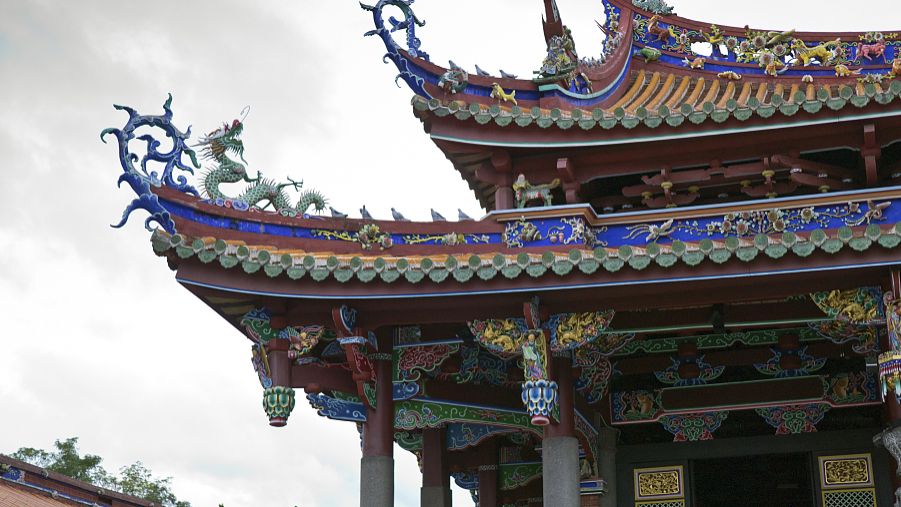
The temple complex climbs the hillside in a layered axial layout, echoing the disciplined symmetry of a European cathedral plan. Beyond the Heavenly Kings Hall and the Great Hero Hall housing the Three Buddhas, the architectural highlight is the Compassion Hall—assembled entirely without iron nails using a traditional mortise-and-tenon bracket system, a craft technique shared with Japan's Kinkaku-ji and certain medieval European timber-frame churches. Intricate lacquer-thread sculpture, a Minnan specialty, and cliff-face stone inscriptions throughout the grounds showcase the region's distinctive decorative craftsmanship.
Beyond worship, Nanputuo has long served as a center for Buddhist learning. In the early twentieth century, it founded the Minnan Buddhist Academy—one of China's first modern institutions of higher Buddhist education, comparable to the Buddhist seminaries that emerged across Europe during the same era. The temple's collections include a Qing-era blood-script Lotus Sutra and white porcelain Guanyin statues, while imperial steles record the intersection of royal patronage and popular devotion. The site also embodies the shared Buddhist heritage that links mainland China and Taiwan.
Admission is free, but during peak season and weekends, advance booking through the official WeChat account is required. The temple grounds open daily from 8:00 AM to 5:00 PM, while the Wulao Peak hiking trail closes at 4:00 PM. Allow two to three hours for the full experience. The optimal visiting window is early morning (8:00–10:00), when crowds thin and soft light is ideal for photography. The recommended route is one-way: enter through the East Gate, exit via the West Gate, then ascend the mountain for sweeping vistas of Xiamen and the Taiwan Strait.
What makes Nanputuo unforgettable is the unusual pairing of sacred mountain, sea breeze, and fast-paced city life. The on-site vegetarian cafeteria serves memorable satay noodles at gentle prices, and the house-made pastries are a beloved souvenir among locals. With Xiamen University and Baicheng Beach steps away, the temple anchors an easy half-day cultural circuit. Visitors should dress modestly, avoid stepping on door thresholds, and refrain from photographing inside the prayer halls—small courtesies that open doors to a more meaningful encounter with one of China's most spiritually resonant coastal sites.
Founded during the Tang Dynasty (618–907 CE), a period when China's Buddhist monasteries multiplied alongside the spread of Christianity in early medieval Europe, Nanputuo Temple endured centuries of destruction and revival. Its present form dates to the Qing era, when Admiral Shi Lang—fresh from his conquest of Taiwan—rebuilt the complex in 1684 and rechristened it "Southern Putuo," pairing it with the sacred Mount Putuo off the Zhejiang coast much as European cathedrals maintain sister-church relationships. Designated a national key temple and protected heritage site, it remains one of southern Fujian's oldest active Buddhist institutions.
The temple complex climbs the hillside in a layered axial layout, echoing the disciplined symmetry of a European cathedral plan. Beyond the Heavenly Kings Hall and the Great Hero Hall housing the Three Buddhas, the architectural highlight is the Compassion Hall—assembled entirely without iron nails using a traditional mortise-and-tenon bracket system, a craft technique shared with Japan's Kinkaku-ji and certain medieval European timber-frame churches. Intricate lacquer-thread sculpture, a Minnan specialty, and cliff-face stone inscriptions throughout the grounds showcase the region's distinctive decorative craftsmanship.
Beyond worship, Nanputuo has long served as a center for Buddhist learning. In the early twentieth century, it founded the Minnan Buddhist Academy—one of China's first modern institutions of higher Buddhist education, comparable to the Buddhist seminaries that emerged across Europe during the same era. The temple's collections include a Qing-era blood-script Lotus Sutra and white porcelain Guanyin statues, while imperial steles record the intersection of royal patronage and popular devotion. The site also embodies the shared Buddhist heritage that links mainland China and Taiwan.
Admission is free, but during peak season and weekends, advance booking through the official WeChat account is required. The temple grounds open daily from 8:00 AM to 5:00 PM, while the Wulao Peak hiking trail closes at 4:00 PM. Allow two to three hours for the full experience. The optimal visiting window is early morning (8:00–10:00), when crowds thin and soft light is ideal for photography. The recommended route is one-way: enter through the East Gate, exit via the West Gate, then ascend the mountain for sweeping vistas of Xiamen and the Taiwan Strait.
What makes Nanputuo unforgettable is the unusual pairing of sacred mountain, sea breeze, and fast-paced city life. The on-site vegetarian cafeteria serves memorable satay noodles at gentle prices, and the house-made pastries are a beloved souvenir among locals. With Xiamen University and Baicheng Beach steps away, the temple anchors an easy half-day cultural circuit. Visitors should dress modestly, avoid stepping on door thresholds, and refrain from photographing inside the prayer halls—small courtesies that open doors to a more meaningful encounter with one of China's most spiritually resonant coastal sites.