Sayram Lake
⭐ 4.80
Sayram Lake Scenic Area, Bole City, Bortala Mongol Autonomous Prefecture, Xinjiang Uyghur Autonomous Region, China
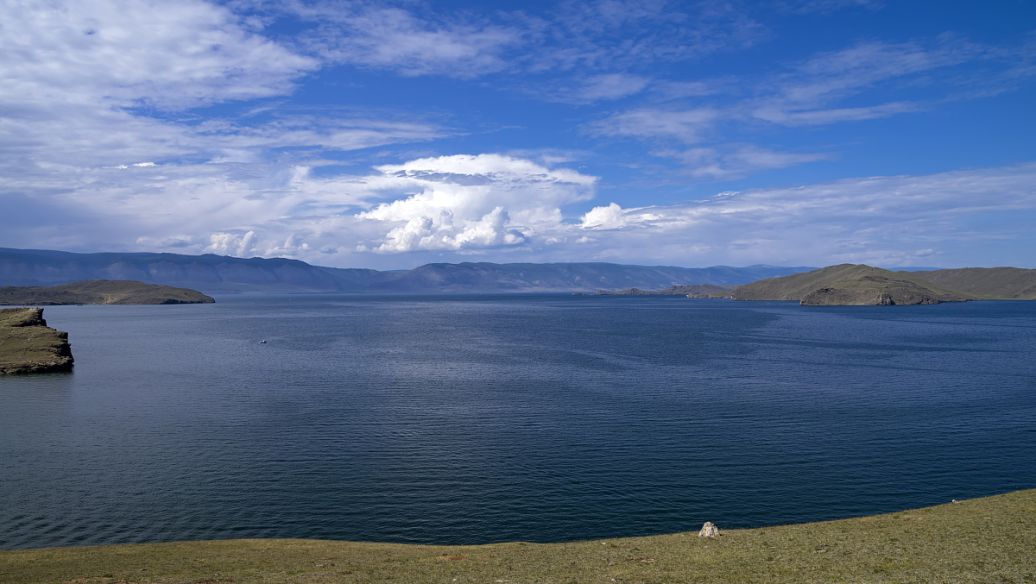 Carved 70 million years ago during the Himalayan orogeny, Sayram Lake sits in a fault basin of the western Tianshan range—the same tectonic forces that shaped the Alps and the Pyrenees. At more than 450 square kilometers and over 2,000 meters above sea level, it rivals Switzerland's Lake Lucerne in scale but sees only a fraction of its visitors. The northern Silk Road once passed nearby, making this region a historic meeting point of caravans, Mongol herders, and Kazakh nomads—a crossroads where East met West long before modern highways arrived.
The lake is celebrated for its "three colors": deep sapphire in sunshine, slate gray under cloud, and rose-gold at sunset. Like the mirrored surface of Lake Louise in Canada, Sayram reflects surrounding snow peaks with startling clarity. From June through July, golden globeflowers and purple clover transform the shores into a layered floral tapestry, while rare mute swans and other waterfowl inhabit the reed-fringed bays. In winter, frozen bubbles trapped beneath the ice create a blue spectacle reminiscent of Russia's Lake Baikal.
Sayram receives the final breath of Atlantic moisture traveling east across the Eurasian landmass, where it condenses into rain and snow—a poetic geography that gives the lake its famous nickname. The surrounding steppe remains home to Kazakh herders living in traditional yurts, their horses and flocks moving across pastures as they have for centuries. Annual Naadam festivals preserve Mongolian wrestling, horse racing, and archery traditions, while embroidered carpets, felt crafts, and horseback games fill the long summer evenings. The lake is therefore not merely scenic but a living cultural landscape where multiple ethnic traditions meet.
Designated a 5A National Tourist Attraction—China's highest tourism rating—Sayram charges about 70 RMB for entry during peak season (April through October), with separate fees for self-driving vehicles. Gates open roughly from 9:00 to 22:30. The 90-kilometer loop road, comparable to Austria's Grossglockner High Alpine Road in drama if not altitude, connects a visitor center at the East Gate with viewpoints including Moon Bay, Dianjiangtai Platform, West Sea Grassland, Kele Yongzhu Springs, and Songshutou Lookout—each offering a distinctly framed vantage of the lake.
A counter-clockwise route—East Gate to North Gate to South Gate—lets you escape tour-bus crowds in the afternoon and catch golden-hour reflections. Budget four to six hours for a one-day drive; for sunrise and Milky Way photography, a two-day stay is ideal, with options ranging from on-site RV camping to hot-spring lodges an hour away in Wenquan County. Hikers can climb Songshutou for the panoramic view of both Sayram and the dramatic Guozigou Bridge, a sweeping viaduct often compared to Italy's Stelvio Pass for its cinematic mountain setting.
Water temperatures stay below 12°C year-round—swimming, wading, and fishing are strictly prohibited, with patrol drones monitoring the shoreline. Altitude brings sudden temperature swings of 10°C or more; even in August, bring a windproof shell and a light down jacket. UV radiation is intense at this elevation, so pack SPF 50+ sunscreen, sunglasses, and a wide-brimmed hat. Clear skies are essential for the legendary blue hues—always check the weather forecast before committing to the long drive from the nearest city.
Carved 70 million years ago during the Himalayan orogeny, Sayram Lake sits in a fault basin of the western Tianshan range—the same tectonic forces that shaped the Alps and the Pyrenees. At more than 450 square kilometers and over 2,000 meters above sea level, it rivals Switzerland's Lake Lucerne in scale but sees only a fraction of its visitors. The northern Silk Road once passed nearby, making this region a historic meeting point of caravans, Mongol herders, and Kazakh nomads—a crossroads where East met West long before modern highways arrived.
The lake is celebrated for its "three colors": deep sapphire in sunshine, slate gray under cloud, and rose-gold at sunset. Like the mirrored surface of Lake Louise in Canada, Sayram reflects surrounding snow peaks with startling clarity. From June through July, golden globeflowers and purple clover transform the shores into a layered floral tapestry, while rare mute swans and other waterfowl inhabit the reed-fringed bays. In winter, frozen bubbles trapped beneath the ice create a blue spectacle reminiscent of Russia's Lake Baikal.
Sayram receives the final breath of Atlantic moisture traveling east across the Eurasian landmass, where it condenses into rain and snow—a poetic geography that gives the lake its famous nickname. The surrounding steppe remains home to Kazakh herders living in traditional yurts, their horses and flocks moving across pastures as they have for centuries. Annual Naadam festivals preserve Mongolian wrestling, horse racing, and archery traditions, while embroidered carpets, felt crafts, and horseback games fill the long summer evenings. The lake is therefore not merely scenic but a living cultural landscape where multiple ethnic traditions meet.
Designated a 5A National Tourist Attraction—China's highest tourism rating—Sayram charges about 70 RMB for entry during peak season (April through October), with separate fees for self-driving vehicles. Gates open roughly from 9:00 to 22:30. The 90-kilometer loop road, comparable to Austria's Grossglockner High Alpine Road in drama if not altitude, connects a visitor center at the East Gate with viewpoints including Moon Bay, Dianjiangtai Platform, West Sea Grassland, Kele Yongzhu Springs, and Songshutou Lookout—each offering a distinctly framed vantage of the lake.
A counter-clockwise route—East Gate to North Gate to South Gate—lets you escape tour-bus crowds in the afternoon and catch golden-hour reflections. Budget four to six hours for a one-day drive; for sunrise and Milky Way photography, a two-day stay is ideal, with options ranging from on-site RV camping to hot-spring lodges an hour away in Wenquan County. Hikers can climb Songshutou for the panoramic view of both Sayram and the dramatic Guozigou Bridge, a sweeping viaduct often compared to Italy's Stelvio Pass for its cinematic mountain setting.
Water temperatures stay below 12°C year-round—swimming, wading, and fishing are strictly prohibited, with patrol drones monitoring the shoreline. Altitude brings sudden temperature swings of 10°C or more; even in August, bring a windproof shell and a light down jacket. UV radiation is intense at this elevation, so pack SPF 50+ sunscreen, sunglasses, and a wide-brimmed hat. Clear skies are essential for the legendary blue hues—always check the weather forecast before committing to the long drive from the nearest city.