Yichun Forest Zoo
⭐ 4.40
Wumahe District, Yichun City, Heilongjiang Province, China
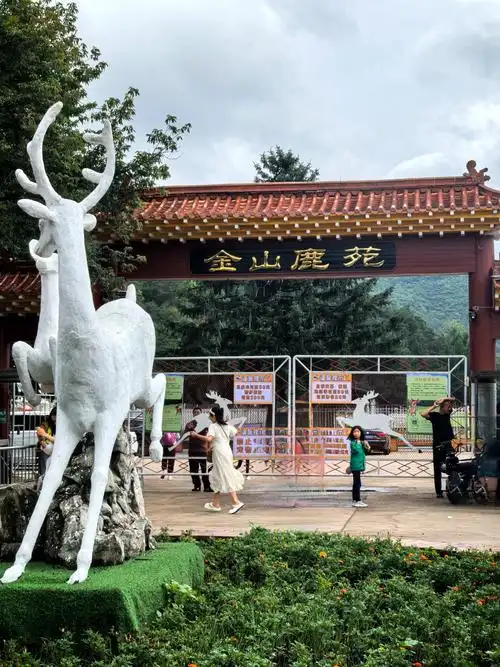 The Lesser Khingan Range forms part of the vast boreal forest belt that once stretched unbroken from northeastern China through Siberia to Scandinavia, a biome that has been shaping human history for millennia. Yichun's forest region has been logged and protected in cycles since the late Qing dynasty, but the surrounding 83.8% forest coverage represents one of Asia's most important remaining stands of Korean pine, a species as culturally prized in this corner of China as oak once was in medieval Europe. Modern conservation here echoes the 19th-century forest-preservation movements that saved Białowieża in Poland, where old-growth woodland and wildlife coexist under careful stewardship.
Unlike conventional zoos built on flat, fenced compounds, Yichun Forest Zoo is woven directly into the existing woodland, with visitor footpaths threading between towering pines, birches, and poplars that have stood for over a century. The layout deliberately preserves the original forest topography, allowing streams, fallen logs, and natural clearings to double as animal habitat. The result feels closer to a Nordic national park than to an urban zoological garden, with shaded benches, wooden boardwalks, and viewing platforms designed to blend into the surroundings rather than dominate them.
The park's collection focuses on species native to the Lesser Khingan ecosystem. Wild boar, Manchurian wapiti (elk), Siberian roe deer, red squirrels, and hares range freely across large enclosures that mimic their natural habitat, and visitors are likely to glimpse them browsing, wallowing, or simply resting in dappled sunlight. Interpretive signage along the trails explains the role each animal plays in the forest's ecological balance, an approach reminiscent of European safari parks like Givskud in Denmark, where animals live in conditions resembling their wild homes. The emphasis throughout is on observation rather than spectacle, encouraging quiet appreciation rather than noisy entertainment.
For families, the Pet Interaction Zone provides a delightful contrast to the wilder enclosures. Here, gentle alpacas, miniature horses, sika deer, and the famously goofy roe deer (locally nicknamed "silly狍子") tolerate hand-feeding, petting, and photographs with patient good humor. These close encounters are particularly popular with young children, who often meet such animals for the first time. Feeding and photo activities require separate tickets purchased at the service desk, and staff are on hand to ensure both animal welfare and visitor safety. The experience feels refreshingly unmanufactured compared to the slicker petting zoos found at large Asian theme parks.
Admission to Yichun Forest Zoo is included in the local forest park pass, so no separate ticket is required, a welcome convenience for travelers already exploring the region's other nature sites. Foreign visitors must present their original passport at the entrance gate for real-name registration, and children under 1.2 meters enter free. A half to full day is recommended to enjoy the park at a relaxed pace. Comfortable walking shoes are essential, as the terrain includes uneven forest paths and gentle slopes. Summer visitors should also bring mosquito repellent, since the same dense forests that shelter the animals also host enthusiastic local insects.
Yichun Forest Zoo is ultimately a destination for travelers seeking something quieter and more contemplative than the headline attractions of Beijing or Shanghai. It offers a genuine encounter with the northeast's wild character, a region that supplies much of China's timber and is gradually reinventing itself as an ecotourism frontier. For nature lovers, photographers, and families looking for a peaceful day among trees rather than crowds, the park provides a memorable window into one of East Asia's most extraordinary forest landscapes, the kind of experience that lingers long after the journey home.
The Lesser Khingan Range forms part of the vast boreal forest belt that once stretched unbroken from northeastern China through Siberia to Scandinavia, a biome that has been shaping human history for millennia. Yichun's forest region has been logged and protected in cycles since the late Qing dynasty, but the surrounding 83.8% forest coverage represents one of Asia's most important remaining stands of Korean pine, a species as culturally prized in this corner of China as oak once was in medieval Europe. Modern conservation here echoes the 19th-century forest-preservation movements that saved Białowieża in Poland, where old-growth woodland and wildlife coexist under careful stewardship.
Unlike conventional zoos built on flat, fenced compounds, Yichun Forest Zoo is woven directly into the existing woodland, with visitor footpaths threading between towering pines, birches, and poplars that have stood for over a century. The layout deliberately preserves the original forest topography, allowing streams, fallen logs, and natural clearings to double as animal habitat. The result feels closer to a Nordic national park than to an urban zoological garden, with shaded benches, wooden boardwalks, and viewing platforms designed to blend into the surroundings rather than dominate them.
The park's collection focuses on species native to the Lesser Khingan ecosystem. Wild boar, Manchurian wapiti (elk), Siberian roe deer, red squirrels, and hares range freely across large enclosures that mimic their natural habitat, and visitors are likely to glimpse them browsing, wallowing, or simply resting in dappled sunlight. Interpretive signage along the trails explains the role each animal plays in the forest's ecological balance, an approach reminiscent of European safari parks like Givskud in Denmark, where animals live in conditions resembling their wild homes. The emphasis throughout is on observation rather than spectacle, encouraging quiet appreciation rather than noisy entertainment.
For families, the Pet Interaction Zone provides a delightful contrast to the wilder enclosures. Here, gentle alpacas, miniature horses, sika deer, and the famously goofy roe deer (locally nicknamed "silly狍子") tolerate hand-feeding, petting, and photographs with patient good humor. These close encounters are particularly popular with young children, who often meet such animals for the first time. Feeding and photo activities require separate tickets purchased at the service desk, and staff are on hand to ensure both animal welfare and visitor safety. The experience feels refreshingly unmanufactured compared to the slicker petting zoos found at large Asian theme parks.
Admission to Yichun Forest Zoo is included in the local forest park pass, so no separate ticket is required, a welcome convenience for travelers already exploring the region's other nature sites. Foreign visitors must present their original passport at the entrance gate for real-name registration, and children under 1.2 meters enter free. A half to full day is recommended to enjoy the park at a relaxed pace. Comfortable walking shoes are essential, as the terrain includes uneven forest paths and gentle slopes. Summer visitors should also bring mosquito repellent, since the same dense forests that shelter the animals also host enthusiastic local insects.
Yichun Forest Zoo is ultimately a destination for travelers seeking something quieter and more contemplative than the headline attractions of Beijing or Shanghai. It offers a genuine encounter with the northeast's wild character, a region that supplies much of China's timber and is gradually reinventing itself as an ecotourism frontier. For nature lovers, photographers, and families looking for a peaceful day among trees rather than crowds, the park provides a memorable window into one of East Asia's most extraordinary forest landscapes, the kind of experience that lingers long after the journey home.