Nanshan Temple
⭐ 3.20
Duji District, Huaibei City, Anhui Province, China
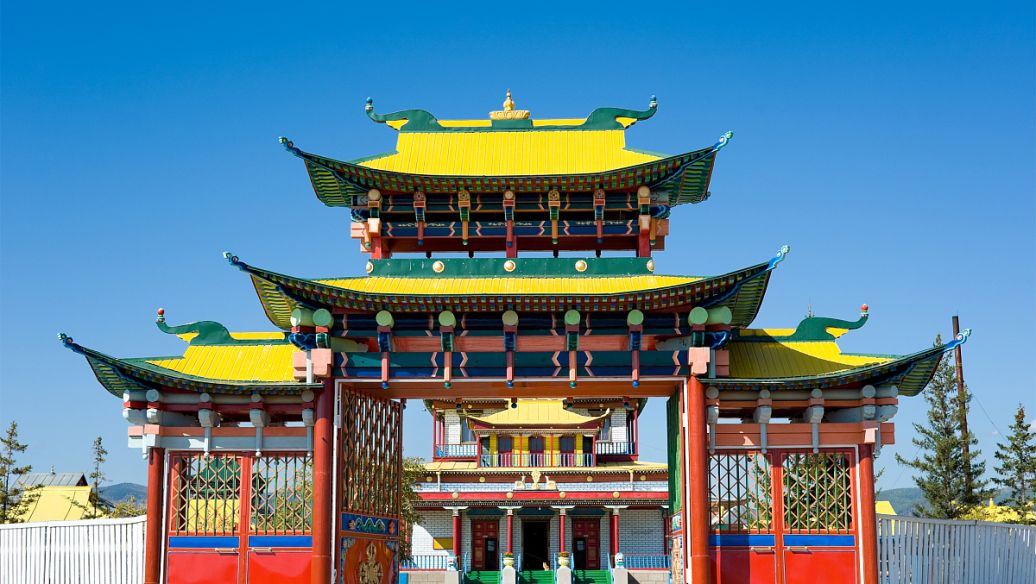 Nanshan Scenic Area lies in Du Ji District on the outskirts of Huaibei, a city in northern Anhui Province whose surrounding lands have been continuously inhabited for over two thousand years. The area's historical weight is most palpable at the Han Stone Carving Museum, where Eastern Han dynasty (25–220 CE) funerary reliefs are displayed in their original setting. These intricately carved limestone slabs—remarkably preserved after nearly eighteen centuries—depict banquets, processions, mythology, and agriculture with a vigor reminiscent of Trajan's Column in Rome. For visitors familiar with ancient Mediterranean art, these stones offer a fascinating cross-cultural parallel: how distant civilizations used monumental carving to immortalize everyday life and cosmic beliefs.
The mountain itself rises modestly, cloaked in dense bamboo groves and mixed hardwood forest that provides welcome shade even in midsummer. A well-maintained trail switchbacks for roughly an hour to the summit, where open viewpoints reveal sweeping vistas of Huaibei's urban grid set against a patchwork of wheat fields and rural villages. Along the way, a hollow Taoist meditation cave called Baoyuan Dong invites quiet exploration, while the gnarled branches of a thousand-year-old Tang Dynasty locust tree stand as a living monument to the passage of dynasties—much like ancient olive groves in Tuscany that have witnessed the rise and fall of empires.
At the lower slopes lie the modest ruins of Yingshui Temple, whose weathered foundations hint at centuries of Buddhist presence on this hillside. Though now little more than stone outlines, the site resonates with travelers who have visited lesser-known mountain temples in rural Japan or the Italian Apennines—places where faith and landscape have been intertwined for generations. Together with the Han carvings, these remains position Nanshan as an open-air archive where natural beauty and human history converse across millennia.
Entry to the park is completely free, with no tickets required. However, visitors should plan accordingly: there are no shops, restaurants, or restrooms inside the grounds, and no English signage or guided tours are available. Bring at least one liter of water per person, sturdy non-slip hiking shoes, and insect repellent, particularly in warmer months. The summit has no facilities at all, so pack out what you bring. Self-driving is easiest—navigate to "Nanshan Scenic Area" or "Nanshan Village"—while public transit users can take a bus to "Cultural Center Station" and walk the final stretch.
Timing matters here. Arrive before 9 a.m. or after 3 p.m. to avoid the harsh midday sun and the most crowded weekend hours. Trails can become slippery after rain, so check the forecast and avoid the steeper sections in wet conditions. Families with children will appreciate "Nanshan Yard," a small courtyard area with simple play equipment ideal for a relaxed picnic. For Western travelers seeking an off-the-beaten-path experience—free from tour groups and commercial trappings—Nanshan offers the kind of unpretentious encounter with nature and antiquity that has become rare in more developed Chinese destinations.
Nanshan Scenic Area lies in Du Ji District on the outskirts of Huaibei, a city in northern Anhui Province whose surrounding lands have been continuously inhabited for over two thousand years. The area's historical weight is most palpable at the Han Stone Carving Museum, where Eastern Han dynasty (25–220 CE) funerary reliefs are displayed in their original setting. These intricately carved limestone slabs—remarkably preserved after nearly eighteen centuries—depict banquets, processions, mythology, and agriculture with a vigor reminiscent of Trajan's Column in Rome. For visitors familiar with ancient Mediterranean art, these stones offer a fascinating cross-cultural parallel: how distant civilizations used monumental carving to immortalize everyday life and cosmic beliefs.
The mountain itself rises modestly, cloaked in dense bamboo groves and mixed hardwood forest that provides welcome shade even in midsummer. A well-maintained trail switchbacks for roughly an hour to the summit, where open viewpoints reveal sweeping vistas of Huaibei's urban grid set against a patchwork of wheat fields and rural villages. Along the way, a hollow Taoist meditation cave called Baoyuan Dong invites quiet exploration, while the gnarled branches of a thousand-year-old Tang Dynasty locust tree stand as a living monument to the passage of dynasties—much like ancient olive groves in Tuscany that have witnessed the rise and fall of empires.
At the lower slopes lie the modest ruins of Yingshui Temple, whose weathered foundations hint at centuries of Buddhist presence on this hillside. Though now little more than stone outlines, the site resonates with travelers who have visited lesser-known mountain temples in rural Japan or the Italian Apennines—places where faith and landscape have been intertwined for generations. Together with the Han carvings, these remains position Nanshan as an open-air archive where natural beauty and human history converse across millennia.
Entry to the park is completely free, with no tickets required. However, visitors should plan accordingly: there are no shops, restaurants, or restrooms inside the grounds, and no English signage or guided tours are available. Bring at least one liter of water per person, sturdy non-slip hiking shoes, and insect repellent, particularly in warmer months. The summit has no facilities at all, so pack out what you bring. Self-driving is easiest—navigate to "Nanshan Scenic Area" or "Nanshan Village"—while public transit users can take a bus to "Cultural Center Station" and walk the final stretch.
Timing matters here. Arrive before 9 a.m. or after 3 p.m. to avoid the harsh midday sun and the most crowded weekend hours. Trails can become slippery after rain, so check the forecast and avoid the steeper sections in wet conditions. Families with children will appreciate "Nanshan Yard," a small courtyard area with simple play equipment ideal for a relaxed picnic. For Western travelers seeking an off-the-beaten-path experience—free from tour groups and commercial trappings—Nanshan offers the kind of unpretentious encounter with nature and antiquity that has become rare in more developed Chinese destinations.