Guodu Village
⭐ 3.20
Guodu Village, Jiuzhaigou County, Aba Tibetan and Qiang Autonomous Prefecture, Sichuan Province, China
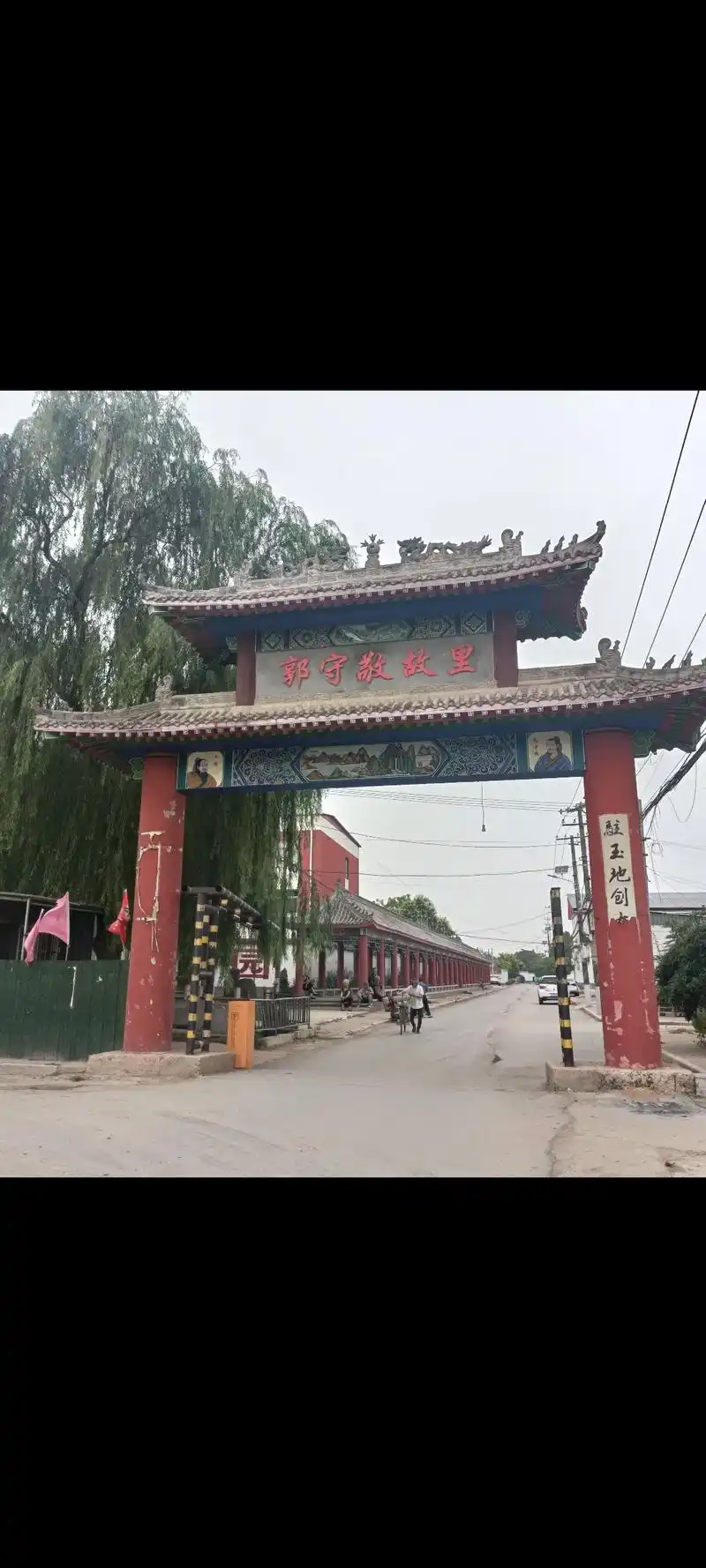 Guodu is one of the surviving hamlets of the historic "Nine Villages" that have given the Jiuzhaigou Valley its name since at least the Qing dynasty. Like the alpine farming communities of the European Alps or the medieval Walser settlements of the Piedmont, it has long been shaped by geographical isolation: cut off from main trade routes, the village developed its own rhythm of barley cultivation, yak and goat herding, and Tibetan Buddhist ritual. Where most high-altitude Himalayan villages were either abandoned or modernized in the 20th century, Guodu retains its original settlement pattern and communal life. Locals still speak a Kham-influenced Tibetan dialect, burn juniper smoke (sang) at household altars, and follow a calendar of Buddhist festivals tied to the lunar months.
The houses are textbook examples of Tibetan mountain vernacular architecture: rammed-earth walls, slate-tiled roofs weighted against mountain gales, and heavy wooden beams left visible inside. Picture something akin to the rustic stone-and-timber chalets of the Swiss Engadin or the masoned farmhouses of the Pyrenees, but distinguished by Tibetan flourishes—small whitewashed stupas on the ridges, prayer flags strung between pines, and in some homes the tapering profile of a watchtower (diaolou) recalling the defensive stone towers that dot the plateau from Ladakh to Kham. The buildings step up the slope rather than face it, mirroring the terrain and giving the village its distinctive cascading silhouette.
What sets Guodu apart is its authenticity. While the main Jiuzhaigou Scenic Area draws several million visitors a year, this neighboring valley receives almost none, allowing the community to maintain everyday customs largely intact. Visitors may see women weaving wool, men carving wooden offering blocks, or children being taught prayers in Tibetan—scenes that have disappeared from most Alpine valleys after two centuries of modernization. For travelers interested in ethnographic fieldwork, slow travel, or the cultural survival of high-altitude Buddhist communities (paralleling efforts to preserve villages in Ladakh, Mustang, or Bhutan's eastern frontiers), Guodu offers a rare opportunity for respectful observation.
Access is part of the experience: Guodu sits well outside the Jiuzhaigou ticket area, deep in Zharu Valley (Zharugou), and cannot be reached by public bus. From Zhangzha Town, hire a local 4WD driver or—ideally—an English-speaking guide; the final stretch requires a moderate hike of several hours along a forested trail with stream crossings. There is no entrance fee, no restaurant, and no guesthouse—pack a picnic, plenty of water, sturdy shoes, and a warm layer, since elevations hover around 2,500–3,000 meters. No formal permit is needed, but checking current conditions with the Zhangzha tourist office or a local homestay is wise.
Come for the silence, the cultural texture, and the staggering backdrop. In summer, the larch and birch forests glow green and trails are alive with wildflowers; in autumn, they ignite into the same gold-and-crimson palette that makes Jiuzhaigou world-famous, but here you may have it to yourself. Plan a half-day slow exploration—chat (through translation) with a household, photograph the morning mist drifting up the valley, and remember that you are a guest in a living village, not a museum: stay on paths, ask before photographing people or interiors, and pack out everything you bring in.
Guodu is one of the surviving hamlets of the historic "Nine Villages" that have given the Jiuzhaigou Valley its name since at least the Qing dynasty. Like the alpine farming communities of the European Alps or the medieval Walser settlements of the Piedmont, it has long been shaped by geographical isolation: cut off from main trade routes, the village developed its own rhythm of barley cultivation, yak and goat herding, and Tibetan Buddhist ritual. Where most high-altitude Himalayan villages were either abandoned or modernized in the 20th century, Guodu retains its original settlement pattern and communal life. Locals still speak a Kham-influenced Tibetan dialect, burn juniper smoke (sang) at household altars, and follow a calendar of Buddhist festivals tied to the lunar months.
The houses are textbook examples of Tibetan mountain vernacular architecture: rammed-earth walls, slate-tiled roofs weighted against mountain gales, and heavy wooden beams left visible inside. Picture something akin to the rustic stone-and-timber chalets of the Swiss Engadin or the masoned farmhouses of the Pyrenees, but distinguished by Tibetan flourishes—small whitewashed stupas on the ridges, prayer flags strung between pines, and in some homes the tapering profile of a watchtower (diaolou) recalling the defensive stone towers that dot the plateau from Ladakh to Kham. The buildings step up the slope rather than face it, mirroring the terrain and giving the village its distinctive cascading silhouette.
What sets Guodu apart is its authenticity. While the main Jiuzhaigou Scenic Area draws several million visitors a year, this neighboring valley receives almost none, allowing the community to maintain everyday customs largely intact. Visitors may see women weaving wool, men carving wooden offering blocks, or children being taught prayers in Tibetan—scenes that have disappeared from most Alpine valleys after two centuries of modernization. For travelers interested in ethnographic fieldwork, slow travel, or the cultural survival of high-altitude Buddhist communities (paralleling efforts to preserve villages in Ladakh, Mustang, or Bhutan's eastern frontiers), Guodu offers a rare opportunity for respectful observation.
Access is part of the experience: Guodu sits well outside the Jiuzhaigou ticket area, deep in Zharu Valley (Zharugou), and cannot be reached by public bus. From Zhangzha Town, hire a local 4WD driver or—ideally—an English-speaking guide; the final stretch requires a moderate hike of several hours along a forested trail with stream crossings. There is no entrance fee, no restaurant, and no guesthouse—pack a picnic, plenty of water, sturdy shoes, and a warm layer, since elevations hover around 2,500–3,000 meters. No formal permit is needed, but checking current conditions with the Zhangzha tourist office or a local homestay is wise.
Come for the silence, the cultural texture, and the staggering backdrop. In summer, the larch and birch forests glow green and trails are alive with wildflowers; in autumn, they ignite into the same gold-and-crimson palette that makes Jiuzhaigou world-famous, but here you may have it to yourself. Plan a half-day slow exploration—chat (through translation) with a household, photograph the morning mist drifting up the valley, and remember that you are a guest in a living village, not a museum: stay on paths, ask before photographing people or interiors, and pack out everything you bring in.