Old Town of Lijiang
⭐ 4.20
Lijiang Ancient Town Scenic Area, Lijiang City, Yunnan Province, China
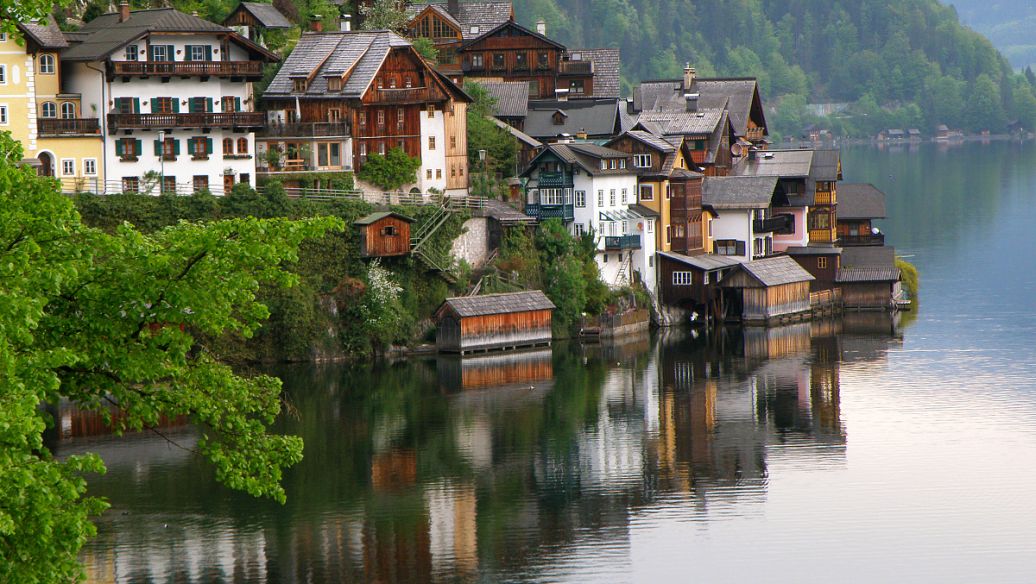 Lijiang Old Town was founded in the late Song and early Yuan dynasties (13th century), a period that saw Marco Polo's contemporary travels along China's southwestern frontier. At the height of the Tea Horse Road trade network—when Tibetan caravans crossed paths with merchants from Sichuan and Yunnan—Lijiang served as a vital commercial hub where Han, Tibetan, Bai, and Naxi cultures converged. Unlike the walled, geometric precision of Beijing's Forbidden City, Lijiang grew organically along mountain contours and riverbanks, making it China's only old town entirely designed without defensive fortifications—a deliberate statement of openness to outside traders and ideas.
The town's most distinctive feature is its irregular layout. Three waterways—the Jade River, Dragon Pool, and a network of springs—thread through the town, crossed by 354 stone bridges that recall Venice's smaller canals, though Lijiang is built on mountain slopes rather than a lagoon. Cobblestone lanes twist unpredictably, with Sifang Street (Square Street) serving as the commercial and ceremonial heart. For the best panoramic view, climb Wangu Lou Tower atop Lion Hill, where the undulating sea of grey-tiled rooftops unfolds against the snow-capped Jade Dragon Snow Mountain—a skyline no European town can match.
Lijiang functions as a living museum of Naxi culture. The Dongba script is among the world's last surviving pictographic writing systems, predating most European alphabets in symbolic sophistication. Naxi ancient music, blending Tang-dynasty ceremonial instruments with indigenous melodies, has been called a "living fossil of music." The wooden Mu Residence, often compared to the Forbidden City in the saying "In the north lies the Forbidden City, in the south the Mu Mansion," was the seat of Naxi chieftains who governed this region for over 400 years. Traditional "Star and Moon" capes still worn by Naxi women speak to centuries of pastoral and textile tradition.
Practical visiting details: Lijiang Old Town itself is free to enter, but a 50-yuan heritage maintenance fee may apply—check current policy before arrival. Entry landmarks include the large wooden waterwheels at the northern gate, an obligatory photo stop. Mu Residence tickets cost around 40 yuan; guided tours are essential to grasp the chieftain history. Wangu Lou Tower on Lion Hill costs about 35 yuan for the climb-and-view experience. Plan your visit for early morning (7–9 a.m.) or after 10 p.m. when day-trippers leave and the lanterns work their magic.
For accommodation, central inns offer atmosphere but suffer street noise; quieter options exist on the town's edges or in nearby Shuhe and Baisha villages, both charming smaller alternatives. Bargain hard for silver jewelry and rose pastries at Zhongyi Market, where inflated tourist prices are common. If time allows, combine Lijiang with a visit to Jade Dragon Snow Mountain or the dramatic Tiger Leaping Gorge—one of the deepest canyons on Earth—to round out a Yunnan adventure that rivals any European cultural itinerary.
Lijiang Old Town was founded in the late Song and early Yuan dynasties (13th century), a period that saw Marco Polo's contemporary travels along China's southwestern frontier. At the height of the Tea Horse Road trade network—when Tibetan caravans crossed paths with merchants from Sichuan and Yunnan—Lijiang served as a vital commercial hub where Han, Tibetan, Bai, and Naxi cultures converged. Unlike the walled, geometric precision of Beijing's Forbidden City, Lijiang grew organically along mountain contours and riverbanks, making it China's only old town entirely designed without defensive fortifications—a deliberate statement of openness to outside traders and ideas.
The town's most distinctive feature is its irregular layout. Three waterways—the Jade River, Dragon Pool, and a network of springs—thread through the town, crossed by 354 stone bridges that recall Venice's smaller canals, though Lijiang is built on mountain slopes rather than a lagoon. Cobblestone lanes twist unpredictably, with Sifang Street (Square Street) serving as the commercial and ceremonial heart. For the best panoramic view, climb Wangu Lou Tower atop Lion Hill, where the undulating sea of grey-tiled rooftops unfolds against the snow-capped Jade Dragon Snow Mountain—a skyline no European town can match.
Lijiang functions as a living museum of Naxi culture. The Dongba script is among the world's last surviving pictographic writing systems, predating most European alphabets in symbolic sophistication. Naxi ancient music, blending Tang-dynasty ceremonial instruments with indigenous melodies, has been called a "living fossil of music." The wooden Mu Residence, often compared to the Forbidden City in the saying "In the north lies the Forbidden City, in the south the Mu Mansion," was the seat of Naxi chieftains who governed this region for over 400 years. Traditional "Star and Moon" capes still worn by Naxi women speak to centuries of pastoral and textile tradition.
Practical visiting details: Lijiang Old Town itself is free to enter, but a 50-yuan heritage maintenance fee may apply—check current policy before arrival. Entry landmarks include the large wooden waterwheels at the northern gate, an obligatory photo stop. Mu Residence tickets cost around 40 yuan; guided tours are essential to grasp the chieftain history. Wangu Lou Tower on Lion Hill costs about 35 yuan for the climb-and-view experience. Plan your visit for early morning (7–9 a.m.) or after 10 p.m. when day-trippers leave and the lanterns work their magic.
For accommodation, central inns offer atmosphere but suffer street noise; quieter options exist on the town's edges or in nearby Shuhe and Baisha villages, both charming smaller alternatives. Bargain hard for silver jewelry and rose pastries at Zhongyi Market, where inflated tourist prices are common. If time allows, combine Lijiang with a visit to Jade Dragon Snow Mountain or the dramatic Tiger Leaping Gorge—one of the deepest canyons on Earth—to round out a Yunnan adventure that rivals any European cultural itinerary.