Ginkgo Valley
⭐ 2.00
Ginkgo Valley Scenic Area, Lanshan District, Linyi City, Shandong Province, China
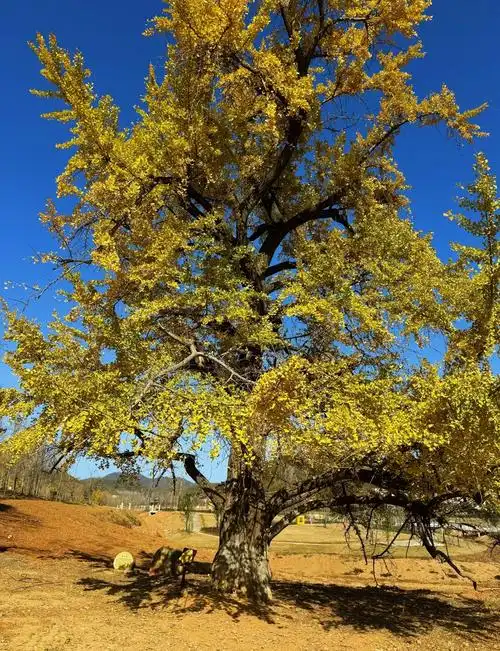 Ginkgo biloba is often called a "living fossil"—the same species that flourished when dinosaurs roamed the Earth roughly 200 million years ago, and one that famously survived the Hiroshima bombing. Tancheng's ginkgo cultivation history stretches back over three millennia to the Western Zhou dynasty (roughly 1046–771 BCE), placing these trees in a timeframe contemporary with the rise of ancient Greek city-states and Rome's legendary founding. Since the 1990s, the garden has systematically gathered 103 ginkgo cultivars, creating China's premier germplasm repository for the species. Today, dozens of trees exceeding 2,000 years in age still stand, forming a botanical heritage as profound as England's ancient yew groves or Lebanon's storied cedars.
The landscape unfolds along a sprawling ginkgo belt where natural woodland and gently winding footpaths weave together in harmonious fashion. Midway along the route stands Guangfu Temple, a dignified Buddhist sanctuary first established during the Northern Wei dynasty (386–534 CE)—an era that saw the construction of the first Buddhist cave temples at Dunhuang. Nearby, the Ancient Plum Garden offers seasonal contrast with winter-blooming plums beside the towering ginkgos. The modern Ginkgo Museum completes the circuit with sleek, minimalist architecture, employing striking multimedia displays to trace the species' 270-million-year journey from prehistoric forests to contemporary cultural icon. This thoughtful juxtaposition of contemporary design against millennia-old nature echoes the philosophy of Japan's sacred forest shrines or California's redwood visitor centers.
In Chinese tradition, the ginkgo is affectionately known as the "grandfather-grandson tree," symbolizing longevity, family continuity, and quiet endurance. Local villagers have long revered the ancient "Old Divine Tree" as a sacred site for prayers and blessing, sustaining folk customs that echo the spiritual reverence seen at Western sites like England's ancient oaks or France's holy wells. Each November, the forest floor becomes a continuous golden carpet, drawing photographers, painters, and poets seeking inspiration. The fan-shaped leaf has become emblematic of resilience and purity—a cultural touchstone woven deeply into Tancheng's regional identity and celebrated through seasonal festivals that honor the tree's enduring gift of beauty.
Admission runs approximately 50 RMB per person, with several outer sections freely accessible. The undisputed highlight season falls between November 10 and 25, when the entire canopy blazes in saturated gold; visiting outside this narrow window means encountering merely pleasant green foliage rather than the legendary spectacle. Electric cart rentals are available on-site, and a thorough exploration of the core area requires roughly two to three hours. The garden lies about an hour's drive from central Linyi, with limited public bus service—renting a car or arranging private transport is strongly recommended for convenience.
Comfortable, non-slip walking shoes are essential, as fallen ginkgo fruit can become slippery underfoot. Visitors should bring water and sun protection; those arriving in August should pack insect repellent, while November travelers will want warm, wind-resistant outerwear. Early morning light offers the finest conditions for photography along the main ginkgo avenue, while late afternoon backlighting reveals the leaves' translucent, layered beauty. Please respect protected monuments in the museum and temple areas—never climb on or carve into the ancient trees. If golden foliage is your priority, plan firmly for mid-November; summer visitors might consider pairing the garden with a leisurely excursion along Tancheng's scenic Yi River waterfront for a fuller regional experience.
Ginkgo biloba is often called a "living fossil"—the same species that flourished when dinosaurs roamed the Earth roughly 200 million years ago, and one that famously survived the Hiroshima bombing. Tancheng's ginkgo cultivation history stretches back over three millennia to the Western Zhou dynasty (roughly 1046–771 BCE), placing these trees in a timeframe contemporary with the rise of ancient Greek city-states and Rome's legendary founding. Since the 1990s, the garden has systematically gathered 103 ginkgo cultivars, creating China's premier germplasm repository for the species. Today, dozens of trees exceeding 2,000 years in age still stand, forming a botanical heritage as profound as England's ancient yew groves or Lebanon's storied cedars.
The landscape unfolds along a sprawling ginkgo belt where natural woodland and gently winding footpaths weave together in harmonious fashion. Midway along the route stands Guangfu Temple, a dignified Buddhist sanctuary first established during the Northern Wei dynasty (386–534 CE)—an era that saw the construction of the first Buddhist cave temples at Dunhuang. Nearby, the Ancient Plum Garden offers seasonal contrast with winter-blooming plums beside the towering ginkgos. The modern Ginkgo Museum completes the circuit with sleek, minimalist architecture, employing striking multimedia displays to trace the species' 270-million-year journey from prehistoric forests to contemporary cultural icon. This thoughtful juxtaposition of contemporary design against millennia-old nature echoes the philosophy of Japan's sacred forest shrines or California's redwood visitor centers.
In Chinese tradition, the ginkgo is affectionately known as the "grandfather-grandson tree," symbolizing longevity, family continuity, and quiet endurance. Local villagers have long revered the ancient "Old Divine Tree" as a sacred site for prayers and blessing, sustaining folk customs that echo the spiritual reverence seen at Western sites like England's ancient oaks or France's holy wells. Each November, the forest floor becomes a continuous golden carpet, drawing photographers, painters, and poets seeking inspiration. The fan-shaped leaf has become emblematic of resilience and purity—a cultural touchstone woven deeply into Tancheng's regional identity and celebrated through seasonal festivals that honor the tree's enduring gift of beauty.
Admission runs approximately 50 RMB per person, with several outer sections freely accessible. The undisputed highlight season falls between November 10 and 25, when the entire canopy blazes in saturated gold; visiting outside this narrow window means encountering merely pleasant green foliage rather than the legendary spectacle. Electric cart rentals are available on-site, and a thorough exploration of the core area requires roughly two to three hours. The garden lies about an hour's drive from central Linyi, with limited public bus service—renting a car or arranging private transport is strongly recommended for convenience.
Comfortable, non-slip walking shoes are essential, as fallen ginkgo fruit can become slippery underfoot. Visitors should bring water and sun protection; those arriving in August should pack insect repellent, while November travelers will want warm, wind-resistant outerwear. Early morning light offers the finest conditions for photography along the main ginkgo avenue, while late afternoon backlighting reveals the leaves' translucent, layered beauty. Please respect protected monuments in the museum and temple areas—never climb on or carve into the ancient trees. If golden foliage is your priority, plan firmly for mid-November; summer visitors might consider pairing the garden with a leisurely excursion along Tancheng's scenic Yi River waterfront for a fuller regional experience.