Tsinghua University

⭐ 4.50

Tsinghua Garden, Haidian District, Beijing, China
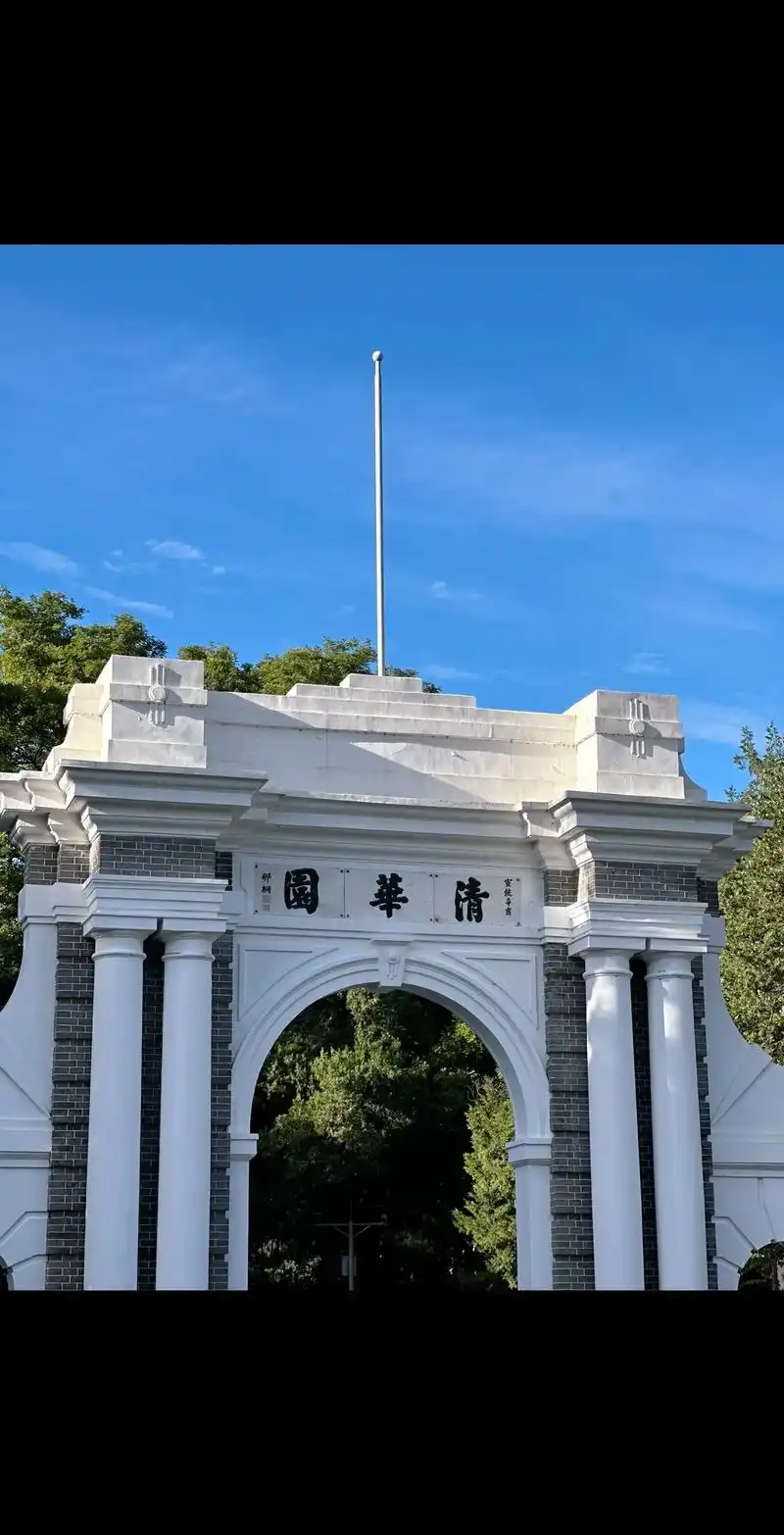
Tsinghua University
Tsinghua traces its origins to 1911, when it was founded as the Preparatory School for Studying in America using returned Boxer Indemnity funds—a remarkable act of educational philanthropy that sent Chinese youth to U.S. universities and shaped a generation of reformers. Conceived alongside Europe's great nineteenth-century national universities, Tsinghua was built to modernize a society confronting industrial-era upheaval. Over more than a century, it has nurtured statesmen, scientists, and Nobel laureates while upholding the motto "Self-Discipline and Social Commitment," drawn from the ancient Book of Changes. Walking the leafy avenues today feels like leafing through a living history of modern China, from republican-era reform to the present technological vanguard. The architectural heart of the campus is the celebrated quartet of "Four Early Buildings"—the Great Hall, Old Library, West Gymnasium, and Science Hall—completed in the 1920s and now protected national relics. Their red-brick walls, grey-tiled roofs, and columned porticos exemplify a dignified German Classical Revival style reminiscent of Berlin's museums or Munich's polytechnic halls, gracefully married with traditional Chinese eaves. The Second Gate, the campus's earliest ceremonial entrance, rises in pale classical columns and remains Tsinghua's most photographed icon. Together, these structures form one of the finest ensembles of early-Republican academic architecture in Asia. Above the original garden gate hangs the imperial calligraphic plaque "Shuimu Tsinghua," traditionally attributed to the Kangxi Emperor of the Qing dynasty, lending the campus a regal pedigree rare among modern universities. Literary pilgrims seek out the Lotus Pond at Jinchun Garden, where shimmering moonlight, weeping willows, and wooden balustrades recreate the scene Zhu Ziqing captured in his 1927 essay "Moonlight over the Lotus Pond," a cornerstone of modern Chinese prose. On the central lawn stands a marble sundial inscribed "Action Over Words," a Confucian-rooted maxim that has become Tsinghua's unofficial slogan and rallying cry for generations of scholars. The Tsinghua University Art Museum, a striking contemporary building that converses gracefully with its heritage surroundings, holds national museum status. Its permanent collection spans exquisite Ming and Qing dynasty furniture, classical calligraphy, paintings, and ceramics, while rotating exhibitions introduce international treasures to the academic doorstep. Travelers interested in both Old Masters and modern design will find a satisfying half-day here, and the museum's glass-and-stone volumes offer a refreshing counterpoint after the brick-and-tile walk through the older campus. Check the museum's website or WeChat channel before visiting for the latest exhibition lineup. Foreign visitors must reserve entry through the university's official WeChat account in advance, and summer slots disappear quickly, so book the moment your itinerary firms up. Opening hours run Tuesday through Sunday, 8:00 to 11:00 a.m. and 1:00 to 4:00 p.m.; the campus closes on Mondays. Enter through the West Gate and follow the recommended loop: Sundial, Science Hall, Second Gate, Tsinghua School, Great Hall, "Shuimu Tsinghua" garden, then Jinchun Lotus Pond. The full circuit takes 2.5 to 3 hours on foot, with no campus shuttle, so wear comfortable shoes. Cafeterias serve faculty and students only—pack water and a light snack. Few university campuses anywhere unite imperial poetry, Beaux-Arts restraint, and cutting-edge research under a single century-old canopy of trees. Tsinghua rewards travelers curious about how a civilization navigates the leap from empire to modernity, offering a rare contemplative counterweight to Beijing's grand imperial monuments. Whether you arrive as a literature lover chasing Zhu Ziqing's moonlight, an architecture enthusiast tracing Republican-era brickwork, or a family on an academic pilgrimage, this leafy enclave leaves a lasting impression. Budget half a day, book early, and let the campus's quiet rhythm work its quietly enduring magic.

Traveler reviews

Tsinghua's campus has beautiful scenery all year round, but the ginkgo trees in autumn are absolutely stunning. You only need to make a reservation to visit, and strolling around the campus gi...
⭐ 5 · Quinn Lee Expand
Tsinghua University campus has beautiful scenery all year round, and the ginkgo trees in autumn are absolutely stunning. You just need to make a reservation to visit. Walking around the campu...
⭐ 5 · Hayden Cruz Expand